Furnace Short Cycling Explained: Causes, Risks, and What to Do

When a heating system turns on and off repeatedly in short bursts, it is more than an annoyance—it is a warning sign. Furnace short cycling is one of the most common reasons homeowners call for furnace repair, especially during Canadian winters when heating systems are under constant demand. The issue often appears in both older homes and newly built properties, including those designed by a custom home builder, because short cycling is not tied to age alone but to how the entire heating system functions within the home.
What makes short cycling so problematic is that it quietly undermines comfort, efficiency, and reliability at the same time. Homeowners may notice rising energy bills, uneven temperatures, or a furnace that never seems to settle into a steady rhythm. This blog breaks down what furnace short cycling actually means, why it happens, and why ignoring it almost always leads to bigger problems.
- What Furnace Short Cycling Actually Means
- Why Furnace Short Cycling Happens in Canadian Homes
- Common Causes of Furnace Short Cycling
- How Furnace Short Cycling Puts Strain on the System
- Energy Costs and Comfort Problems Linked to Short Cycling
- Safety and Reliability Risks of Ignoring Short Cycling
- What to Do If Your Furnace Is Short Cycling
- Why Professional Assessment Is Essential
- Short Cycling Is a Warning—Not a Quirk
What Furnace Short Cycling Actually Means
Furnace short cycling occurs when a furnace starts up, runs briefly, and shuts off before completing a full heating cycle. Under normal operation, a furnace should run long enough to evenly distribute heat throughout the home before shutting down. When cycles are cut short, the system never reaches peak efficiency, and indoor temperatures fluctuate instead of stabilizing.
This pattern places unnecessary stress on critical components such as igniters, burners, and control boards. Even a high-efficiency furnace cannot perform properly when it is constantly restarting, because efficiency depends on sustained operation, not frequent stops and starts. Short cycling also highlights a key limitation of heating systems: furnaces can’t fix cold spots on their own, especially when airflow, insulation, or system sizing issues are part of the problem.
Why Furnace Short Cycling Happens in Canadian Homes
Canadian homes place unique demands on heating systems, especially during long stretches of cold weather. As outdoor temperatures drop, furnaces are forced to respond to rapid heat loss through walls, windows, and ceilings. When a home has inconsistent insulation, airflow restrictions, or temperature imbalances between rooms, the furnace may reach the thermostat’s set point too quickly and shut off before heat is evenly distributed. This creates the on-off pattern that defines short cycling.
Cold-climate living also exposes underlying system mismatches. Furnaces that are oversized for the home, poorly zoned, or paired with inefficient duct layouts are especially prone to short cycling. In many cases, homeowners assume the furnace itself is the problem, when the real issue lies in how the system interacts with the house. Addressing these conditions often involves more than repairs alone and may include an upgrade that can help lower your energy bills by improving system balance and efficiency rather than forcing the furnace to compensate.
Common Causes of Furnace Short Cycling
One of the most frequent causes of furnace short cycling is an oversized system. When a furnace is too large for the space it serves, it heats the air around the thermostat very quickly, triggering shutdown before heat can circulate throughout the home. This problem is especially common in homes that have undergone renovations or insulation upgrades without adjusting the heating system accordingly.
Airflow issues are another major contributor. Dirty filters, blocked vents, or undersized ductwork restrict how warm air moves through the home. When airflow is limited, internal safety sensors may shut the furnace down to prevent overheating. Faulty thermostats or poorly placed temperature sensors can also misread indoor conditions, sending false signals that cause the furnace to cycle prematurely instead of running a full, efficient heating cycle.
How Furnace Short Cycling Puts Strain on the System
Every time a furnace starts up, critical components are put under stress. Ignition systems, burners, and electrical controls are designed to handle a limited number of start–stop cycles over their lifespan. When short cycling occurs, those components are forced to operate far more frequently than intended, accelerating wear and increasing the likelihood of failure. What might seem like a minor annoyance can quickly become a reliability issue.
This repeated strain also affects heat exchangers and blower motors, which rely on steady operation to function efficiently. Constant restarting prevents the system from reaching stable operating temperatures, reducing efficiency and increasing mechanical fatigue. Over time, this strain shortens the furnace’s lifespan and raises the risk of mid-winter breakdowns, when heating reliability matters most.
Energy Costs and Comfort Problems Linked to Short Cycling
Furnace short cycling often leads to higher heating costs, even though the system is running for shorter periods. Each startup consumes more energy than maintaining steady operation, so frequent cycling drives up energy use without delivering consistent warmth. Homeowners may be surprised to see rising utility bills while still feeling uncomfortable indoors.
Comfort is also compromised when heat is delivered in short bursts. Some rooms may feel warm briefly before cooling again, while others never reach the desired temperature. This uneven distribution reinforces a common frustration: furnaces can’t fix cold spots on their own. When short cycling is present, the furnace struggles to compensate for airflow imbalances, insulation gaps, or layout challenges, leaving the home feeling inconsistent despite continuous operation.
Safety and Reliability Risks of Ignoring Short Cycling
Ignoring furnace short cycling can introduce safety concerns alongside performance issues. Repeated starts and stops place extra stress on safety controls and sensors that are designed to monitor heat levels and airflow. When these components are overworked, they may fail prematurely or shut the system down unexpectedly, increasing the risk of a complete heating outage during extreme cold.
Reliability is also compromised when short cycling becomes the norm. Furnaces that operate under constant strain are more likely to break down without warning, often at the worst possible time. What begins as an efficiency issue can escalate into emergency service calls, costly repairs, or even forced replacement sooner than expected. Addressing short cycling early helps preserve system reliability and reduces the likelihood of winter disruptions.
What to Do If Your Furnace Is Short Cycling
When short cycling is noticed, the first step is to avoid assuming the furnace itself is failing. Simple checks, such as replacing a dirty air filter or ensuring vents are not blocked, can sometimes reduce cycling frequency. Thermostat settings and placement should also be reviewed, as sensors located near heat sources or in drafty areas may cause inaccurate readings that trigger premature shutdowns.
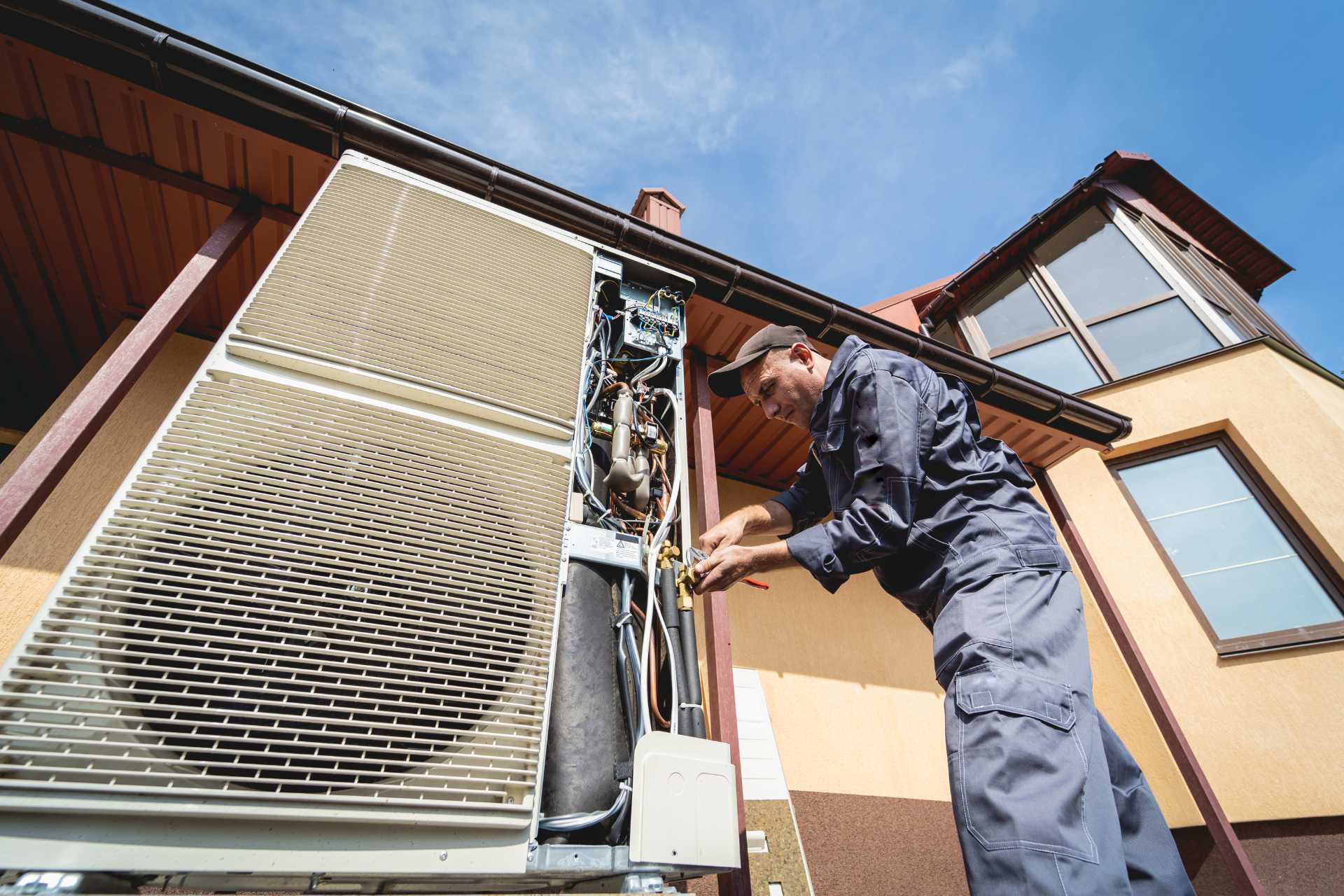
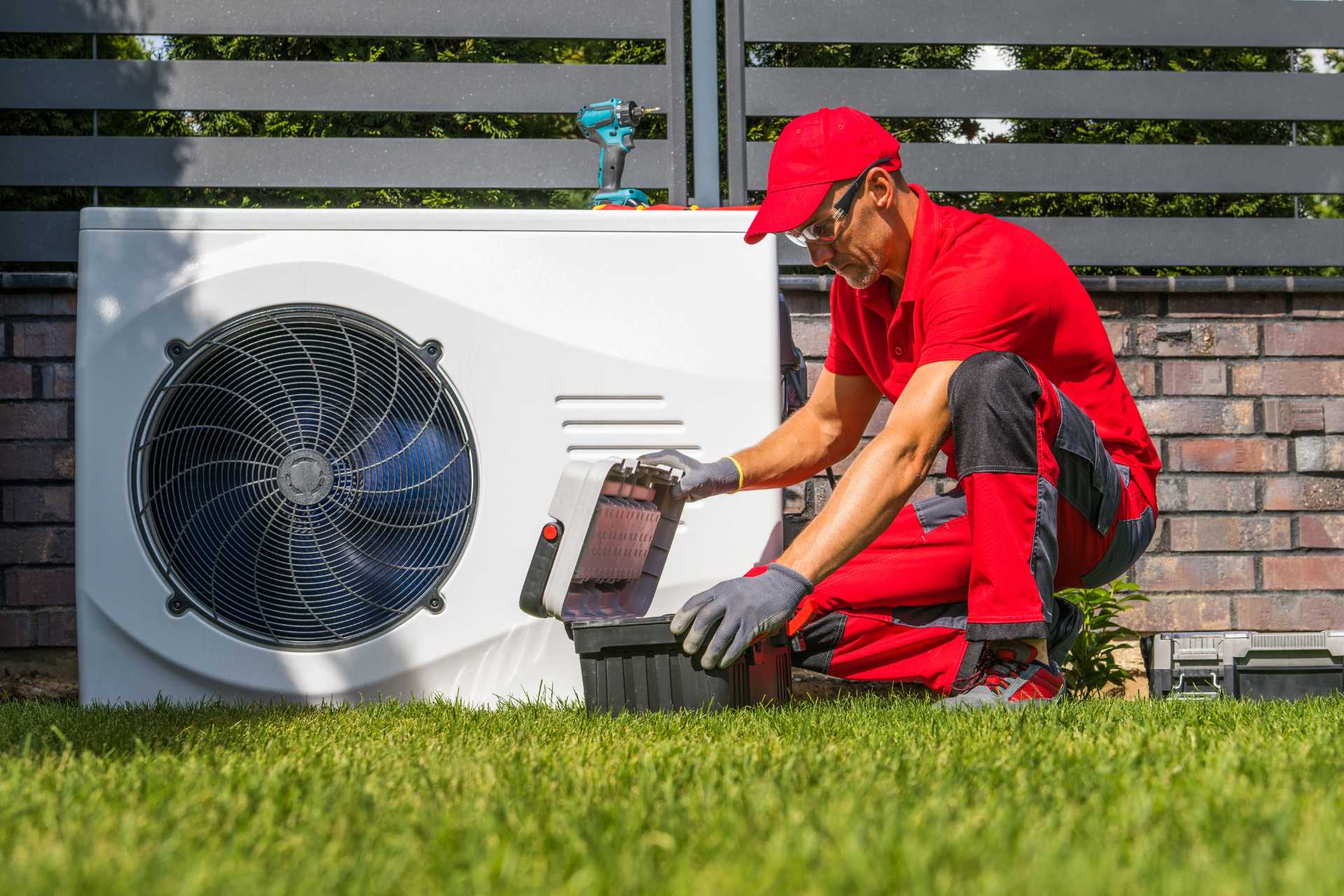
If short cycling continues, professional evaluation becomes essential. A trained technician can determine whether the issue stems from system sizing, airflow restrictions, or internal component faults. Early intervention often prevents further damage and may restore proper operation without major disruption. In some cases, correcting short cycling reveals opportunities for system improvements that improve comfort and efficiency long-term.
Why Professional Assessment Is Essential
Furnace short cycling is rarely caused by a single, obvious issue, which is why professional assessment is so important. Trained technicians evaluate the entire heating system, including furnace sizing, airflow, duct conditions, thermostat calibration, and safety controls. This system-wide approach prevents guesswork and ensures the root cause is identified rather than temporarily masked.
Professional evaluation also helps homeowners avoid unnecessary replacements or ineffective repairs. In some cases, short cycling is the result of correctable airflow or control issues rather than a failing unit. In others, the assessment may confirm that upgrading to a properly sized high-efficiency furnace will deliver better comfort, reliability, and operating costs over time. Identifying the right solution early protects the system and prevents repeat issues.
Short Cycling Is a Warning—Not a Quirk
Furnace short cycling is not a harmless quirk. It is a clear sign that something in the heating system or the home is out of balance. Airflow issues, improper sizing, and control problems all contribute to this pattern. Over time, short cycling reduces efficiency, comfort, and reliability.
Ignoring the issue allows strain to build inside the system. Components wear faster, energy costs rise, and the risk of winter breakdowns increases. In some cases, correcting the problem may involve adjustments or repairs. In others, an upgrade that can help lower your energy bills becomes the smarter long-term solution. Acting early protects the furnace, improves comfort, and keeps the home reliably warm.