
Water Heater
London, ON
Enjoy Reliable Hot Water with Professional Water Heater Solutions Designed to Meet Your Home’s Needs
Your Trusted Partner for Reliable Hot Water Solutions
At GM Mechanical, we know how essential a dependable water heater is for your home’s comfort and daily routines. Our expert team specializes in water heater installation, repair, maintenance, and energy-efficient tankless systems to ensure you always have hot water when you need it. With a focus on quality and efficiency, we proudly serve London and surrounding areas, delivering trusted solutions tailored to meet your unique needs.

Water Heater Installation
Get dependable hot water with our professional water heater installation services, ensuring efficiency and long-lasting performance.

Water Heater Repair
Restore your hot water quickly and efficiently with our reliable water heater repair services.

Water Heater Maintenance
Keep your water heater running smoothly with regular maintenance to improve efficiency and extend its lifespan.

Tankless Water Heaters
Upgrade to an energy-efficient tankless water heater for unlimited hot water and lower energy costs.
Trusted for Quality and Care in Every Service
At GM Mechanical, we pride ourselves on being a reliable and trustworthy partner for your home’s comfort needs. Rooted in the values of honesty, quality workmanship, and exceptional customer care, we’re committed to serving our neighbours in London and surrounding areas with integrity and professionalism.
Trusted for Quality and Care in Every Service
At GM Mechanical, we pride ourselves on being a reliable and trustworthy partner for your home’s comfort needs. Rooted in the values of honesty, quality workmanship, and exceptional customer care, we’re committed to serving our neighbours in London and surrounding areas with integrity and professionalism.
Fair and Transparent Pricing
We provide written estimates and full disclosure of pricing details, ensuring you always know what to expect before any work begins.
Quality Workmanship Guaranteed
While we may not be the cheapest, we stand behind the superior quality of our services, ensuring you receive lasting value and exceptional results.
Friendly, Neighbourly Service
As a locally owned business, we treat every client like family, offering a friendly yet professional approach that turns many of our clients into lifelong friends.

Book a Consultation
Flexible Options Available
Affordable Furnace Financing and Rental Plans
At GM Mechanical, we make it easy to upgrade your heating system with flexible financing and rental options. Whether you’re looking to spread out the cost of a new furnace or prefer the convenience of a rental, we have solutions tailored to fit your budget.
Frequently Asked Questions
Wondering how to choose the right heating system or when to schedule maintenance? We’ve compiled answers to the most common questions to help you stay informed and confident in your decisions.
Installing a new water heater offers several advantages, including improved energy efficiency, consistent hot water supply, and reduced utility bills. Older water heaters often lose efficiency over time, which can lead to higher operating costs and inconsistent performance. Modern water heaters, particularly tankless and high-efficiency models, are designed to address these issues by consuming less energy while delivering reliable hot water. In addition, upgrading to a new unit ensures that your home complies with current energy standards and safety regulations, offering you peace of mind. Beyond functionality, a new water heater can reduce the risk of unexpected breakdowns, leaks, or flooding that can cause extensive property damage and inconvenience.
A new water heater also improves the overall comfort and convenience of your home. With advancements in technology, today’s models often come with smart features that allow you to monitor and control your water heater remotely. This ensures you can optimize performance and save energy based on your household’s needs. Moreover, investing in a high-quality water heater increases the resale value of your home by providing prospective buyers with an updated and efficient appliance. Ultimately, replacing your old water heater is not just a practical decision—it’s a proactive step toward enhancing your home’s functionality and energy efficiency.
Choosing the right water heater for your home depends on a variety of factors, including household size, water usage patterns, and your budget. For example, a family of four may benefit from a traditional tank water heater with a larger capacity to accommodate simultaneous showers and laundry. On the other hand, smaller households or those seeking energy efficiency might prefer a tankless model, which heats water on demand and eliminates the need for a storage tank. Additionally, it’s important to consider the energy source—whether gas, electric, or solar—and the unit’s energy efficiency rating, as these will impact your operating costs over time.
Consulting with a professional installer can make this decision much easier, as they can assess your home’s specific needs and provide tailored recommendations. They’ll also help you navigate the pros and cons of various brands, models, and features to ensure you choose a system that balances performance and cost-effectiveness. Keep in mind that some advanced features, such as smart technology or recirculation pumps, can further enhance your system’s efficiency and convenience. By working with an expert, you can avoid common pitfalls and select a water heater that aligns with both your immediate and long-term needs.
Tank and tankless water heaters each have unique features that make them suitable for different households. Tank water heaters store a large amount of heated water in a reservoir, ensuring a steady supply for simultaneous uses, such as showers and dishwashing. However, once the tank is emptied, it takes time to refill and reheat, which can be inconvenient for larger households with high water demands. In contrast, tankless water heaters heat water on demand, providing an endless supply of hot water without requiring a storage tank. This design eliminates standby energy loss, making tankless models more energy-efficient in the long run.
Despite their efficiency, tankless water heaters often come with higher upfront costs and may require upgrades to your plumbing or electrical system. They also have a limited flow rate, which might not be ideal for households with multiple hot water needs at the same time. Tank water heaters, while less efficient, are generally more affordable to install and can meet the needs of larger families if sized appropriately. Understanding your household’s water usage patterns and priorities will help you decide which system is best for you. A professional installer can also provide insights into which type of water heater will work most effectively in your home.
The lifespan of a new water heater depends on its type, maintenance, and overall usage. Traditional tank water heaters usually last between 8 and 12 years, though regular maintenance, such as flushing the tank to remove sediment and replacing the anode rod, can extend their life. Tankless water heaters, on the other hand, have a longer lifespan of 20 years or more, thanks to their design, which eliminates the need for a storage tank that can deteriorate over time.
Proper care and routine inspections by a professional are key to ensuring your water heater lasts as long as possible. For tankless units, descaling and cleaning the heating elements help maintain efficiency and performance. Other factors, such as water quality in your area and how often the unit is used, can also influence its longevity. Investing in a high-quality water heater and committing to regular maintenance will maximize
There are several signs that indicate it might be time to replace your old water heater. One common indicator is the age of the unit—traditional tank water heaters typically last 8–12 years, while tankless models can last up to 20 years. If your water heater is nearing or exceeding its expected lifespan, it’s wise to consider a replacement before it fails. Other signs include inconsistent water temperature, a noticeable decrease in hot water supply, or frequent breakdowns and costly repairs.
Additionally, physical signs such as rust or corrosion on the tank, leaks around the unit, or unusual noises like popping or rumbling are red flags that your water heater is no longer functioning efficiently. An increase in energy bills without a change in usage patterns could also point to an inefficient or failing water heater. Consulting with a professional technician can help confirm whether your unit needs to be replaced and provide recommendations for a new, energy-efficient model that meets your needs.
Expert Tips and Insights for Your Home
Discover valuable tips, expert advice, and the latest insights on keeping your home comfortable and efficient year-round.
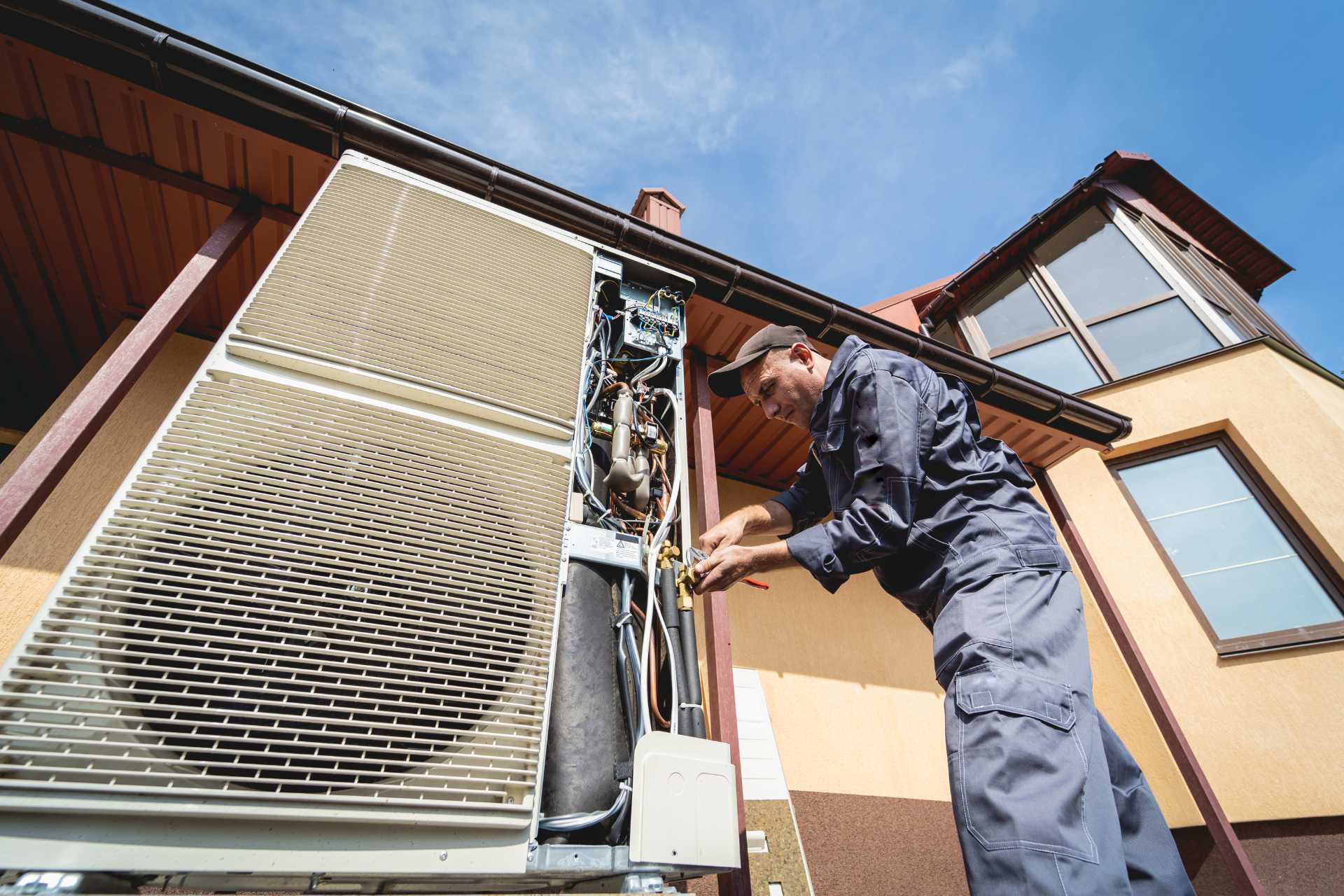
Decades of Comfort: Proven Ways to Maximize the Lifespan of Your HVAC System
Securing a comfortable indoor living environment throughout the year requires a reliable mechanical core. Property owners across Canada routinely partner with a certified HVAC [...]
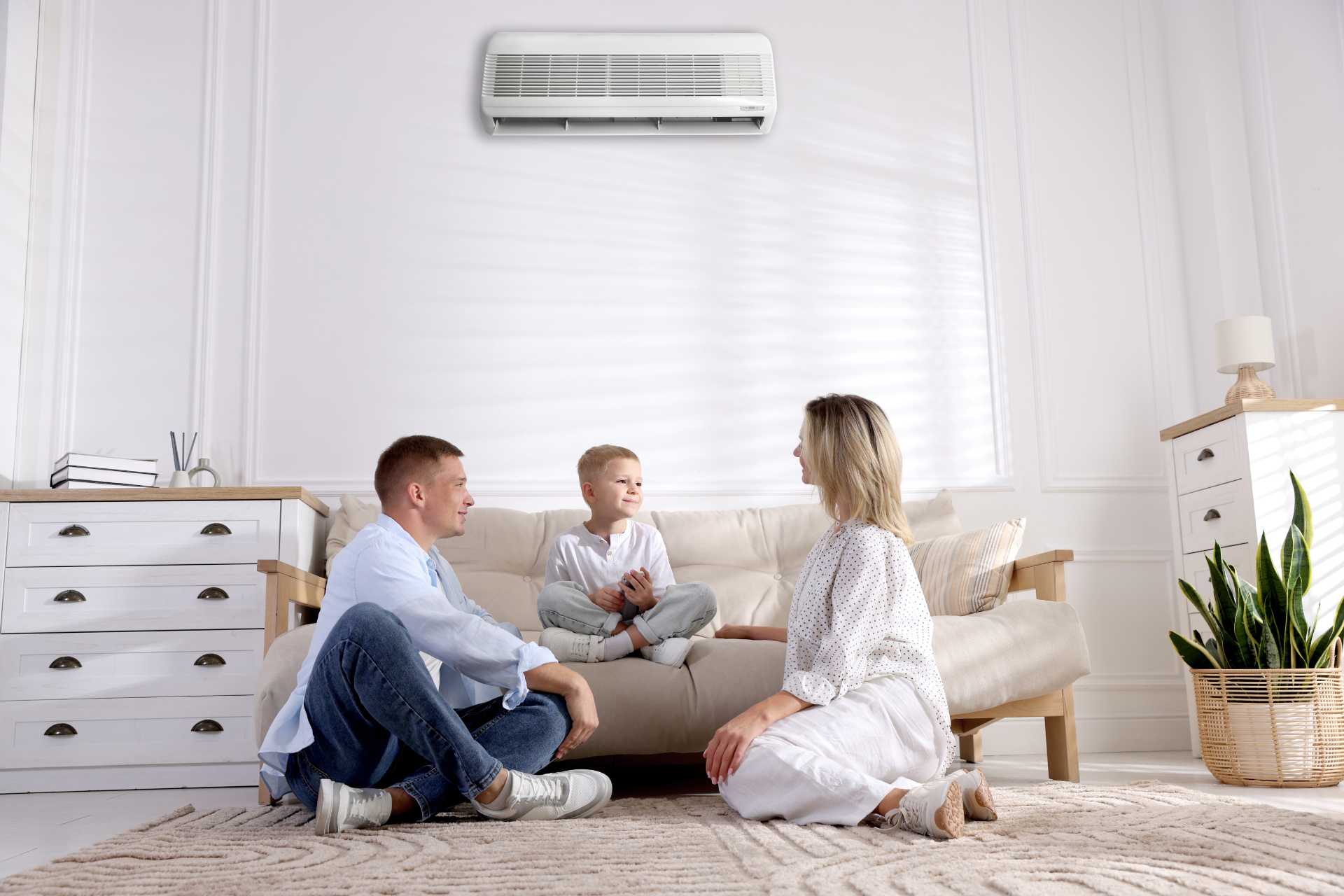
Beat the Heat: Critical Factors That Control Your AC’s Cooling Capacity
Achieving perfect indoor comfort during hot summer months requires a well-balanced home cooling setup. Homeowners routinely look to a professional HVAC company to install [...]
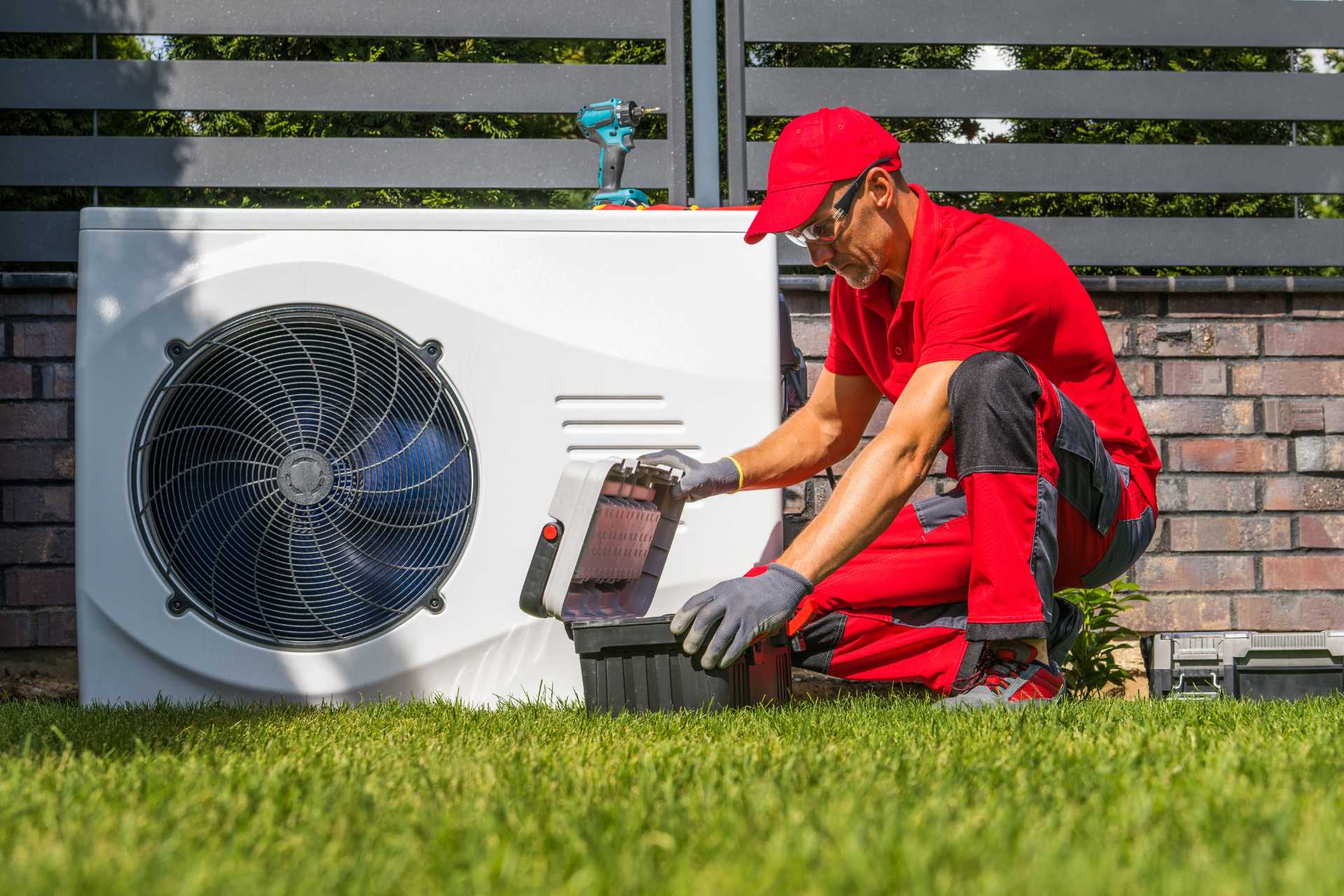
The Tipping Point: Clear Signs It Is Time for a New HVAC System
Maintaining a home requires balancing a continuous stream of seasonal repair bills and building upgrade costs. Throughout the year, homeowners must decide whether to [...]
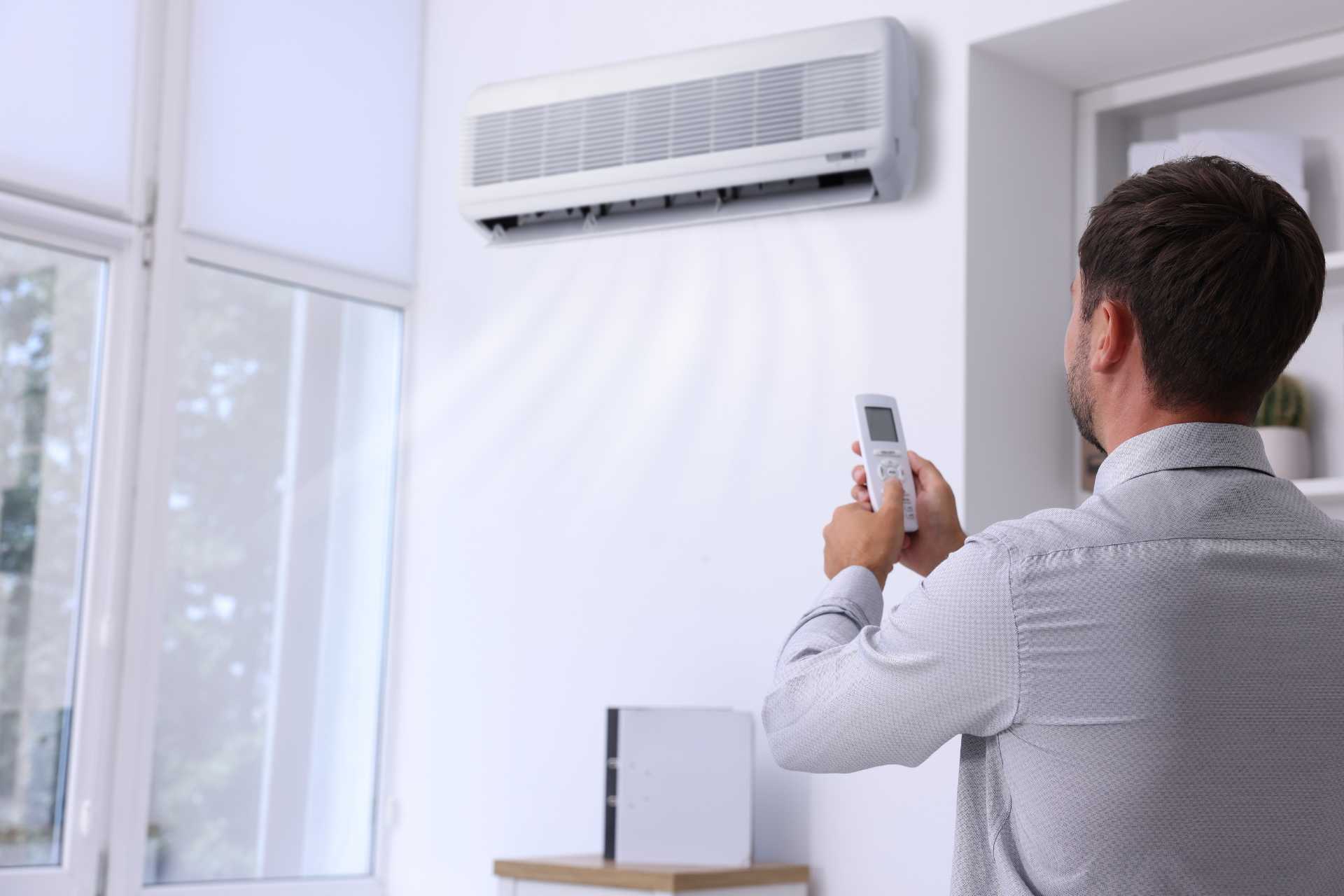
The Pre-Summer Chill: Getting Your Air Conditioner Ready for Extreme Heat
Living in Canada means experiencing some of the most dramatic seasonal weather shifts on the planet. For months, homeowners focus all of their attention [...]
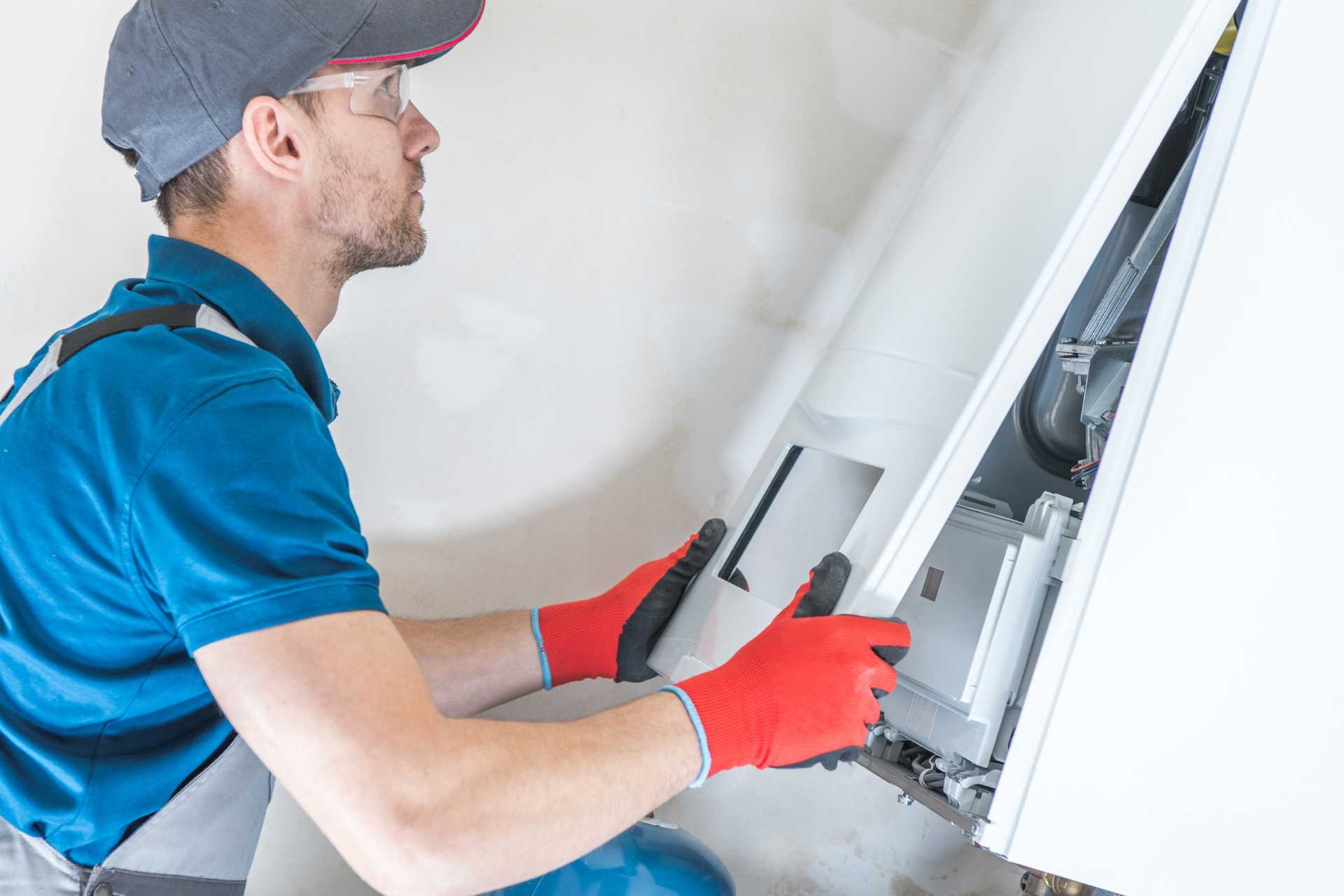
Is Your Heating System Failing? Key Signs That Signal It’s Time for a Furnace Replacement
Dealing with an aging, unpredictable heating system places property owners in a frustrating operational position. For the first few years of operation, a standard [...]
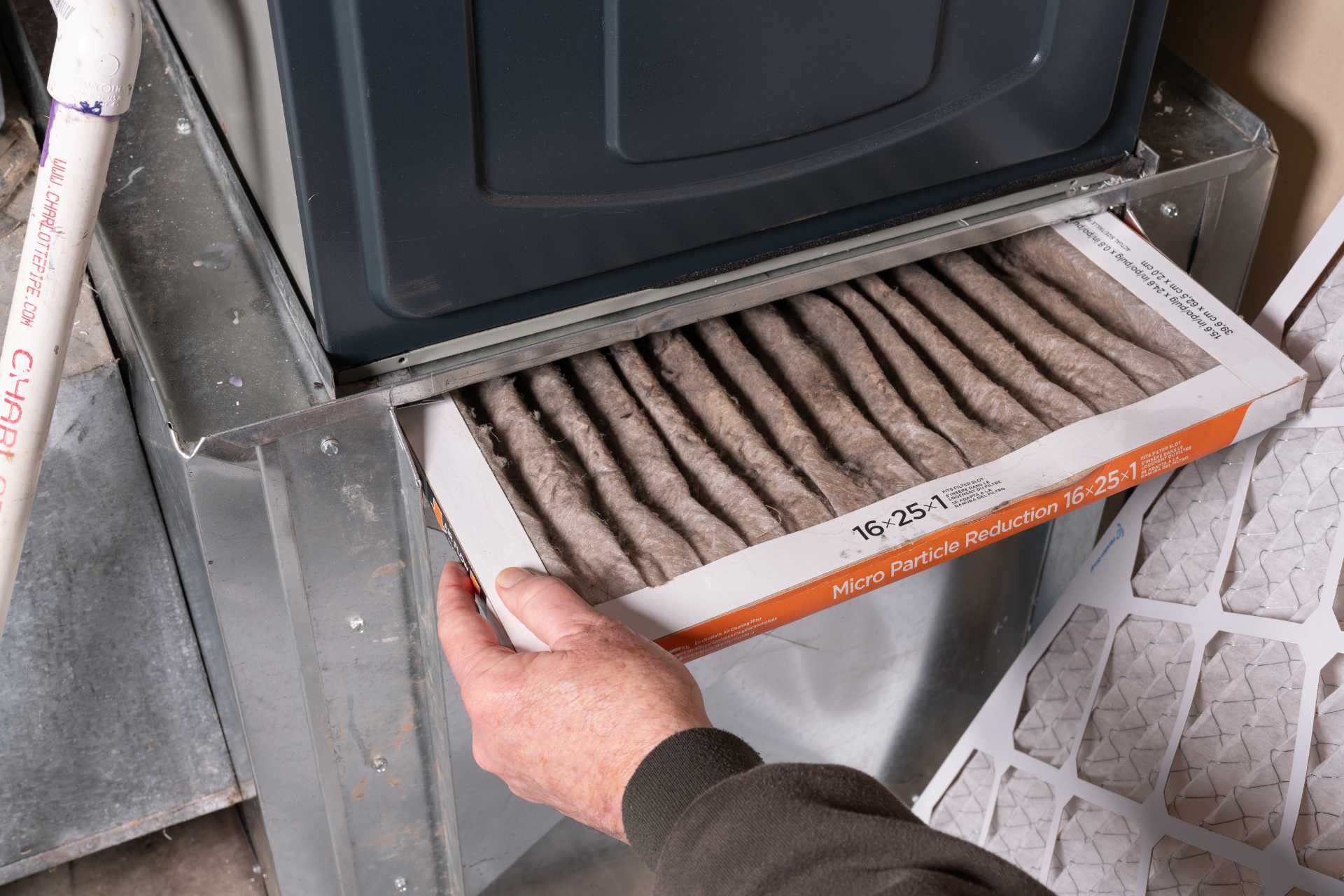
Spring Cleaning for Your Heating System: Clearing Vital Components to Avoid Winter Emergency Repairs
As the snow melts and Canadians welcome the warmer weather, spring cleaning checklists naturally dominate household to-do lists. Power washing the deck, clearing debris [...]
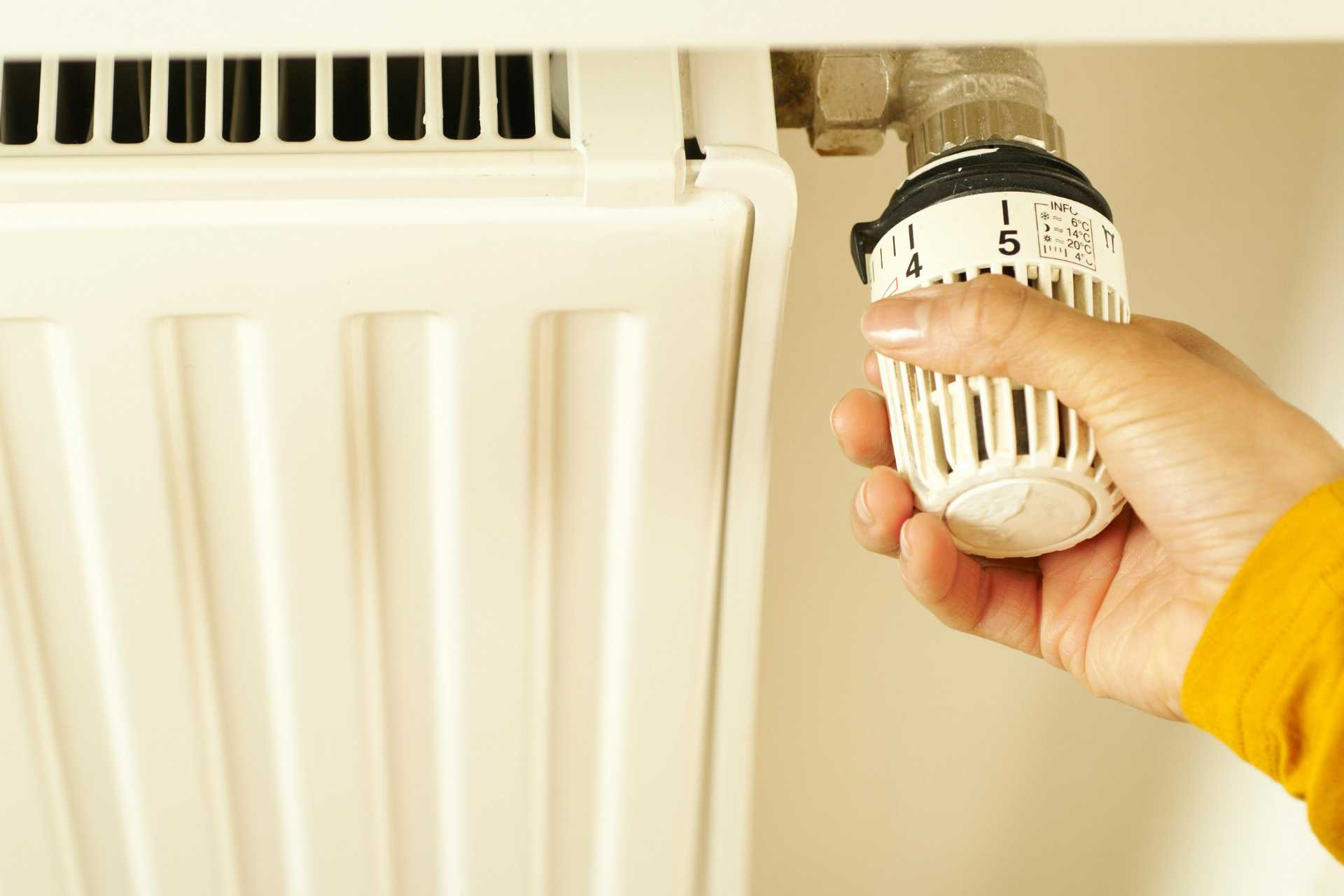
The Spring Shoulder Season Stress Test: Why Canadian Furnaces Fail in April
Think your heating system is in the clear just because the snow is melting? Think again. While you’re busy celebrating the arrival of “False [...]

The Allergy-Proof Home: Why Your Furnace is Your Best Defence Against the 2026 Pollen Explosion
April in Canada is traditionally a month of transition, a time when the last stubborn piles of snow finally retreat into the soil, and [...]
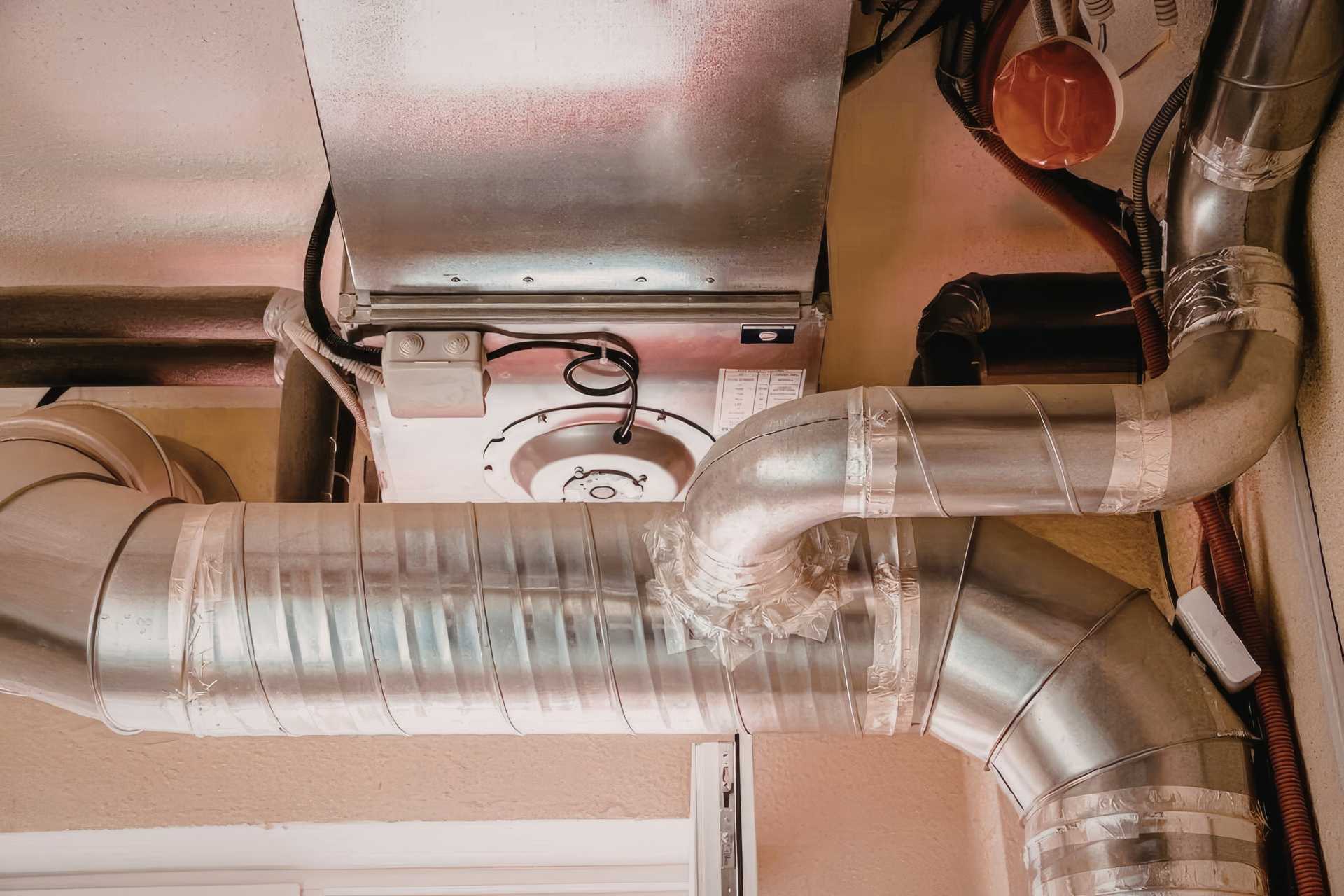
The 30% Waste: Why Your New Furnace Can’t Fix Bad Ductwork
In the aggressive energy climate of 2026, homeowners are making record-breaking investments in high-efficiency hardware. They hire a top-tier roofing company to seal the [...]
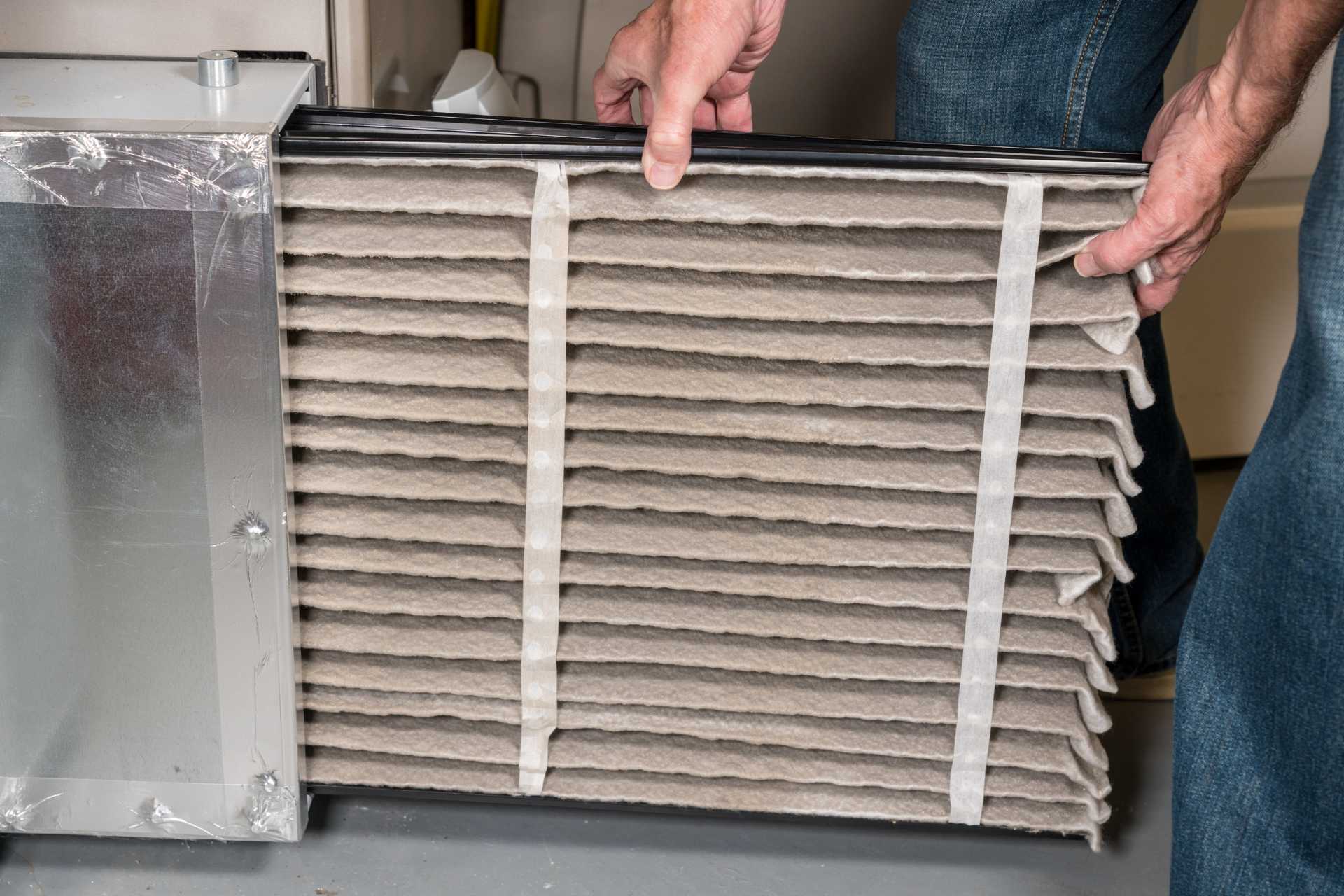
The Filter Factor: How a $20 Part Can Cost You $200 in the 2026 Energy Crisis
As utility rates reach historic peaks in 2026, homeowners find themselves increasingly desperate for "big-picture" efficiency upgrades. Many invest in a high-end roofing project [...]