The Pre-Summer Chill: Getting Your Air Conditioner Ready for Extreme Heat
Living in Canada means experiencing some of the most dramatic seasonal weather shifts on the planet. For months, homeowners focus all of their attention on keeping their indoor heating systems running smoothly to combat freezing winter temperatures. However, when spring transitions into the hot, humid summer months, your property faces an entirely new set of environmental demands.Getting your air conditioner ready with a proactive tune-up with a professional HVAC company is the single most effective way to ensure your home remains a cool, comfortable sanctuary all summer long.
Many people assume that because their cooling system worked perfectly last August, it can simply be switched on during the first heatwave without any preparation. This hands-off approach places an immense amount of mechanical stress on your equipment after months of winter dormancy. Just as a trusted family doctor reminds you to schedule routine checkups to catch minor health issues early, a comfort specialist knows that preventative maintenance saves your cooling system from sudden failures. Taking a systematic approach to your pre-summer checklist allows you to optimize your system’s efficiency, lower your utility bills, and prevent costly mid-season breakdowns.
- The Quick Edit
- Clearing the Winter Overburden: Prepping the Outdoor Condenser Unit
- Restoring Internal Airflow: The Crucial Filter and Coil Calibration
- Line Inspections: Verifying Refrigerant Levels and Insulation Sleeve Integrity
- The Household AC Seasonal Readiness Grid
- The Preventive Payoff: Drastically Reducing Summer Emergency Breakdowns
- Long-Term Comfort: Navigating Modern Upgrades and Property Layouts
- Ensuring Seamless Comfort Before the First Heatwave
The Quick Edit
- The Exterior Clearance: Remove matted leaves, winter dirt, and organic debris from your outdoor condenser fins to allow proper heat rejection.
- The Internal Airflow Check: Replace dirty, loaded air filters to restore system breathing and prevent your indoor coils from freezing over.
- The Shield Optimization: Inspect copper refrigerant lines for missing insulation sleeves to stop energy loss during intense afternoon heatwaves.
Clearing the Winter Overburden: Prepping the Outdoor Condenser Unit
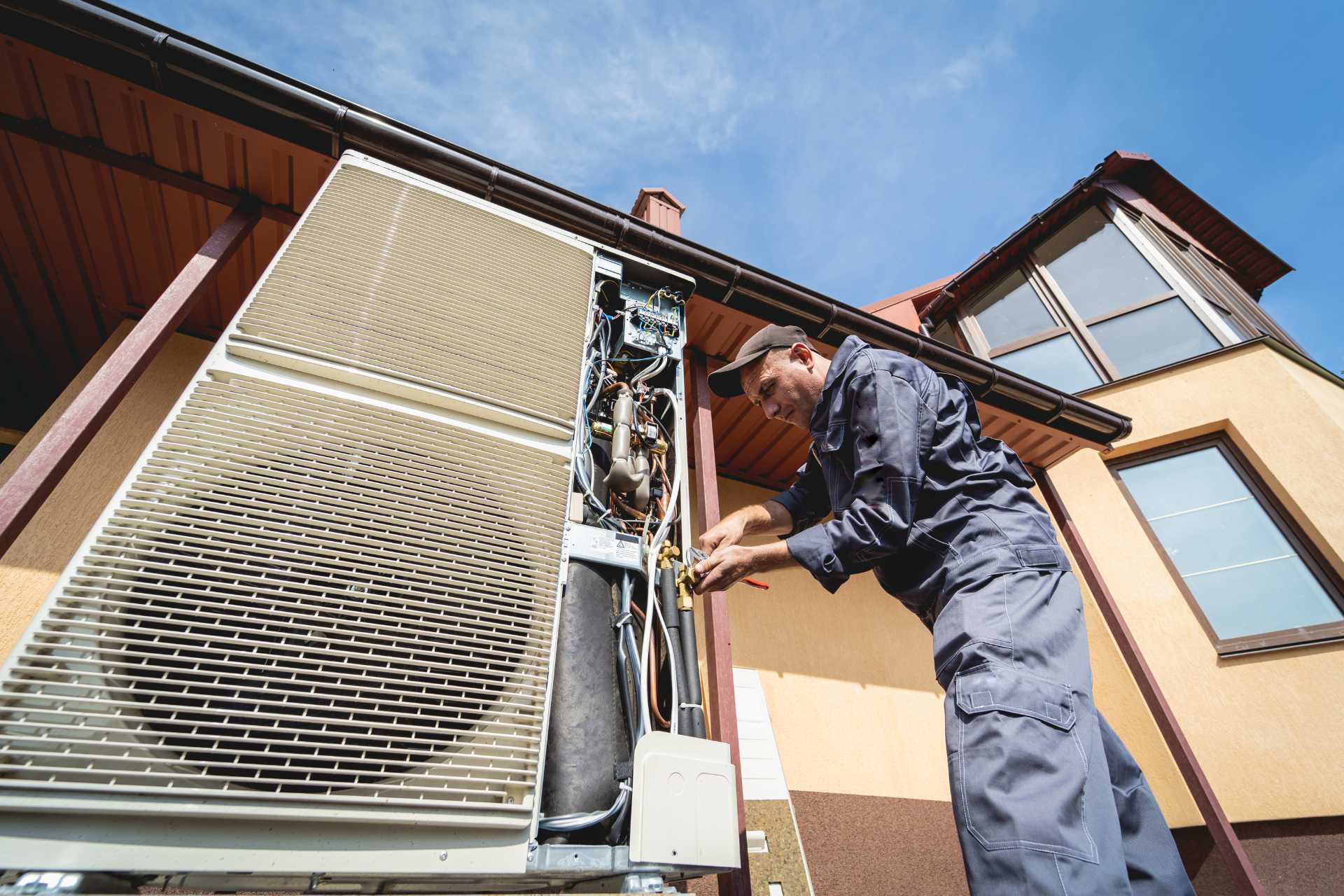
Your air conditioning system cannot cool your home effectively if the outdoor condenser unit is choked by winter debris. Throughout the autumn and winter months, windblown leaves, twigs, pine needles, and heavy road salt grit settle against the exterior metal housing. This accumulation creates a thick, matted blanket that wraps tightly around the delicate aluminum condenser fins.
Your outdoor unit works by releasing the heat pulled from inside your home out into the surrounding air. When these aluminum fins are blocked by debris, the unit cannot reject this heat efficiently. This restriction forces the internal compressor to run hotter and work significantly harder to cool your home.
To prevent this strain, clear a minimum of two-foot structural clearance zone around the entire metal cabinet. Use a gentle garden hose to wash away matted dirt and organic debris from the fins, spraying from the inside out. Never use a high-pressure power washer for this task, as the intense water pressure will instantly bend the soft aluminum fins, permanently blocking your system’s airflow.
Restoring Internal Airflow: The Crucial Filter and Coil Calibration
While the outdoor unit handles heat rejection, the indoor evaporator coil is responsible for absorbing heat from your living spaces. This heat transfer process relies entirely on maintaining a steady, unrestricted volume of air moving across the indoor coil. When a homeowner neglects to change their air filter, the system quickly begins to choke.
A dirty, dust-loaded air filter acts as a solid wall that restricts your home’s internal air circulation. This lack of movement causes the temperature of the indoor evaporator coil to drop below freezing, turning ambient humidity into a solid block of ice. Once the coil freezes over, it blocks all air circulation, causing your system to short-cycle and potentially destroying your expensive compressor motor.
Replacing your standard air filter every 30 to 90 days is an absolute necessity to maintain optimal performance. Keeping the air moving freely ensures that proper ventilation is important for maintaining healthy indoor air quality and preventing stale air pockets. Clean filters allow your system to breathe easily, ensuring consistent temperatures across every room in your house.
Line Inspections: Verifying Refrigerant Levels and Insulation Sleeve Integrity
Your cooling system relies on specialized chemical refrigerants. These fluids absorb indoor heat and carry it safely outside. The chemicals travel between your indoor and outdoor units through a pair of dedicated copper lines. The larger of these two copper pipes carries cold refrigerant gas. Because of this, it must be wrapped tightly in a thick, foam insulation sleeve.
Over the winter, several factors can damage this protective layer. Hungry rodents, birds seeking nesting material, and intense UV rays can cause this foam insulation to tear. It can also crack and peel away over time. Leaving the bare copper pipe exposed to hot summer air forces the cold refrigerant to absorb environmental heat. This thermal loss happens before the fluid ever reaches your indoor living spaces. This problem drastically lowers your air conditioner’s cooling capacity. It forces the entire system to run much longer cycles just to hit your thermostat targets.
Inspect these lines carefully during your regular spring cleanup. You want to ensure the insulation sleeves are completely intact. If you spot bare copper, wrap the pipe in new, closed-cell foam insulation tape. This step quickly restores its thermal protection. Furthermore, look closely for any signs of oily residue around the brass pipe fittings. This grease can indicate a dangerous chemical refrigerant leak that requires immediate professional repair.
The Household AC Seasonal Readiness Grid
Organizing your cooling maintenance tasks ensures you hit every mechanical checkpoint before the summer heat arrives:
| Maintenance Target Zone | Primary Mechanical Task | Target Execution Frequency | Direct Performance Impact |
|
Outdoor Condenser Fins
|
Clear leaves, wash away mud, and straighten bent aluminum fins. | Every spring before startup. | Maximizes heat rejection; prevents compressor overheating. |
|
Indoor Return Air Filter
|
Inspect for dust accumulation; replace with a clean filter. | Every 30 to 90 days. | Restores system airflow; prevents evaporator coil icing. |
|
Refrigerant Line Insulation
|
Replace torn or missing foam sleeves on the copper lines. | Annually during spring prep. | Eliminates thermal energy loss; lowers monthly power bills. |
|
Condensate Drain Line
|
Flush the plastic drain line with vinegar to clear algae sludge. | Twice per cooling season. | Prevents water backup; protects ceilings from water leaks. |
The Preventive Payoff: Drastically Reducing Summer Emergency Breakdowns
The economic realities of seasonal HVAC service choices highlight why early spring preparation is a smart financial move. When the first major heatwave of July hits, thousands of homeowners switch on their neglected air conditioners at the exact same time. This sudden surge in demand completely overloads local repair technicians, leading to long wait times and premium emergency service fees.
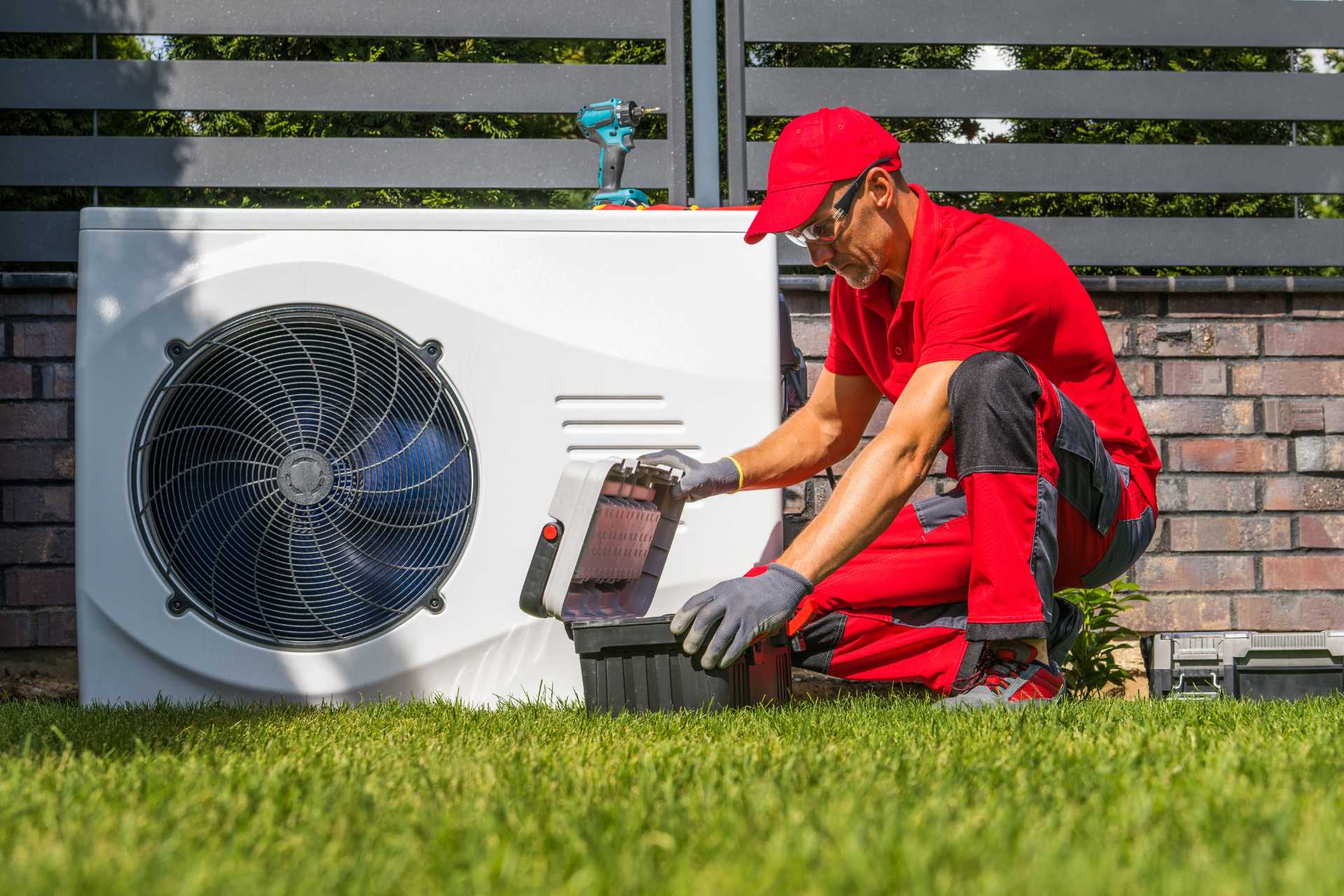
Investing in a professional preventative tune-up during the mild spring months completely bypasses this chaotic breakdown cycle. A certified technician can verify your electrical connections, measure system amp draw, test thermostat accuracy, and check operating pressures safely. This early intervention allows you to address worn capacitors or minor refrigerant leaks before they turn into major system failures.
Most importantly, keeping your system clean and well-maintained is the most reliable way to extend the HVAC system’s lifespan. Taking care of your equipment protects your upfront capital investment, allowing your family to enjoy steady, dependable comfort for up to fifteen or twenty years.
Long-Term Comfort: Navigating Modern Upgrades and Property Layouts
If your aging air conditioner requires frequent repairs or relies on obsolete R-22 refrigerant, it may be time to update your system. Modern cooling technology has advanced significantly, offering incredibly high efficiency ratings that drastically lower household carbon footprints and energy costs. When planning an upgrade, homeowners must evaluate their property’s specific architectural layout to choose the right system type.
For houses with existing ductwork networks, a traditional central air unit remains the standard approach for whole-home climate management. However, for older homes with radiator heating or multi-story additions, installing custom ductwork can be incredibly expensive and invasive. Understanding the options for choosing between central AC systems and ductless AC systems helps you select the perfect setup for your home’s unique footprint.
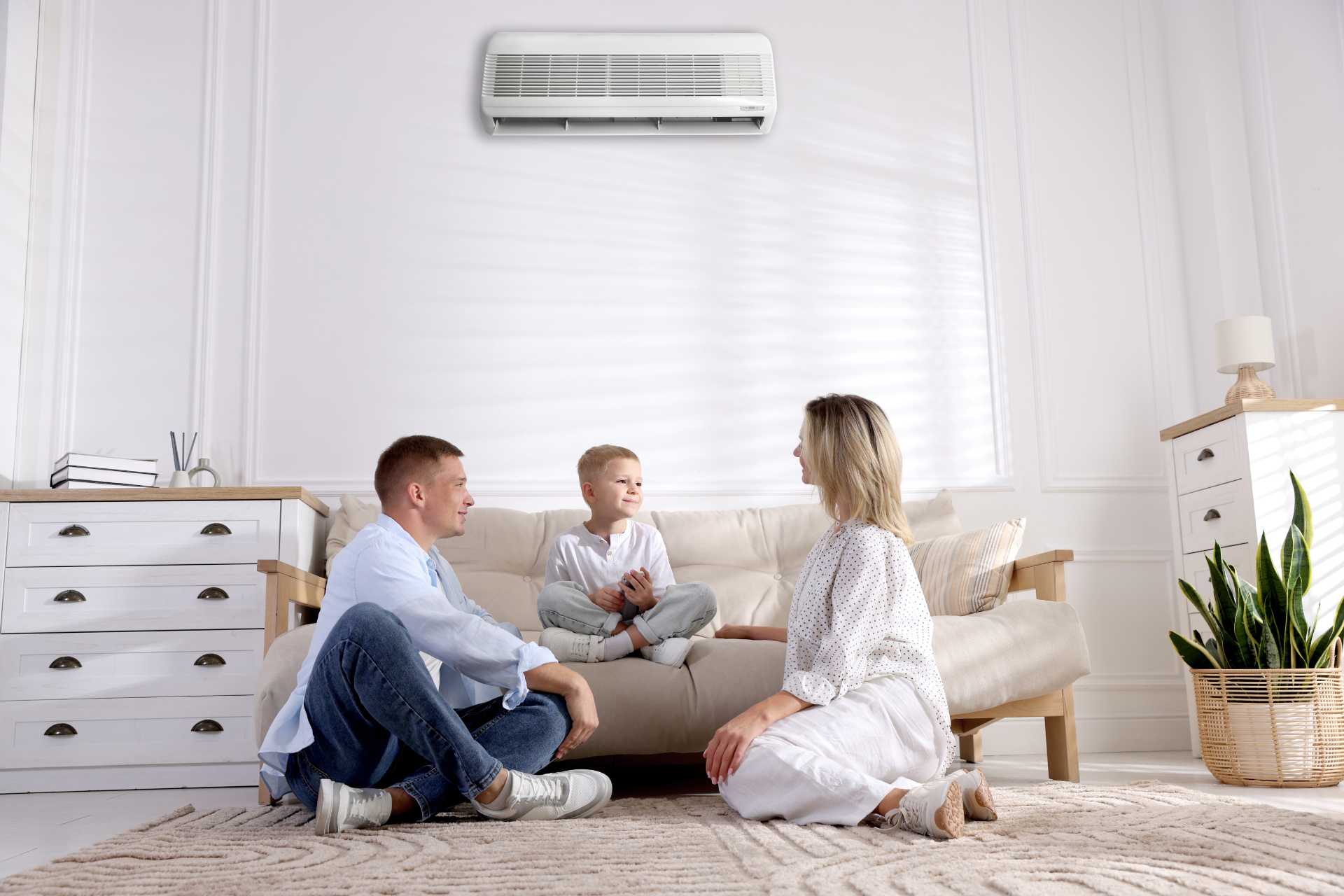
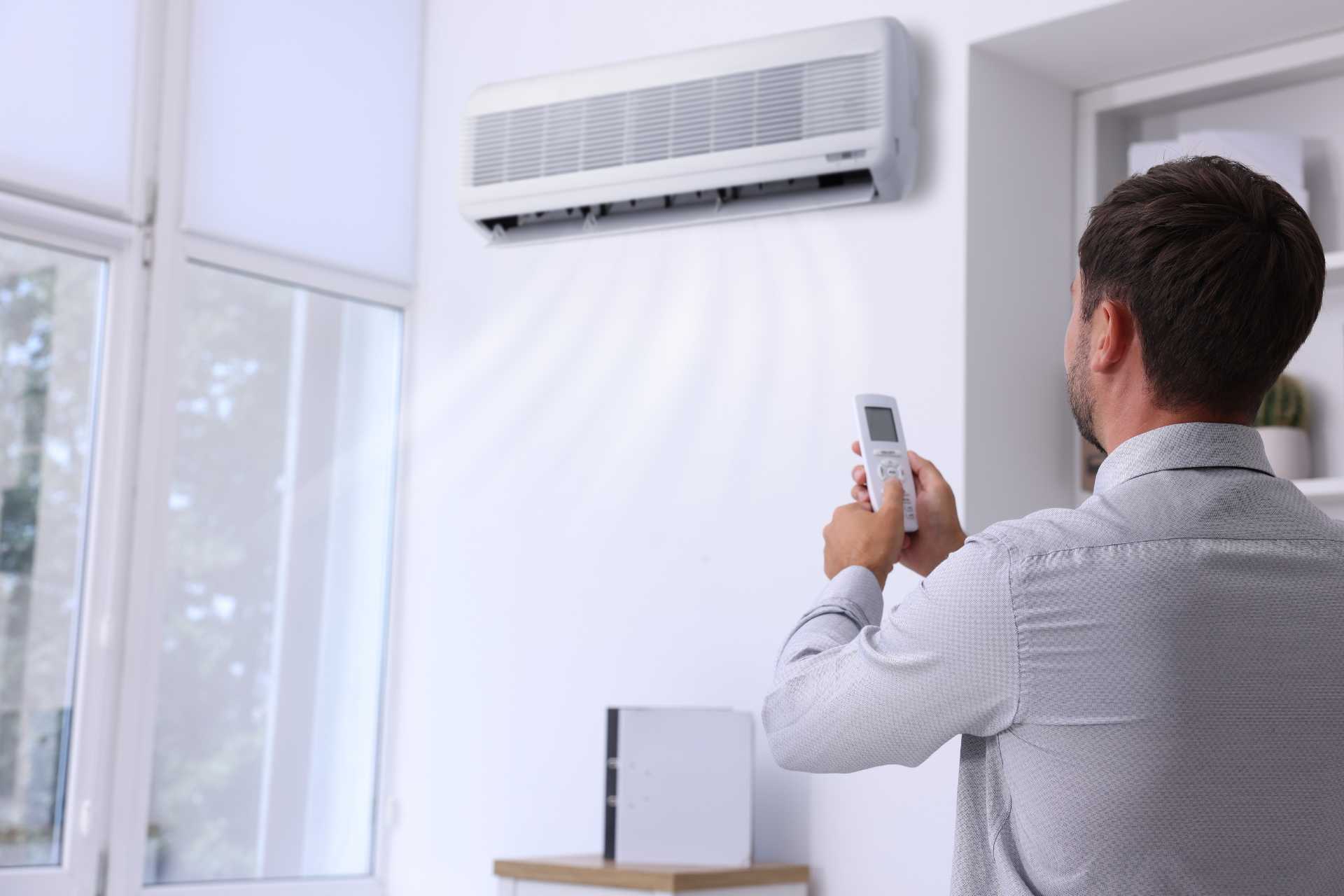
Ductless mini-split systems utilize slim, wall-mounted indoor units connected to a single outdoor compressor, providing independent temperature control for individual rooms. Mapping out these structural layout choices early allows you to build a realistic budget for an HVAC upgrade without facing unexpected financial surprises when your old equipment finally gives out.
Ensuring Seamless Comfort Before the First Heatwave
Allowing your air conditioning system to run without proper spring preparation is a costly mistake that directly threatens your summer comfort and your wallet. Leaving your condenser coils choked with winter debris or forcing your system to breathe through a clogged filter causes rapid mechanical wear, high electricity bills, and premature equipment failure. Trying to save money by skipping simple preventative care always results in expensive emergency repair bills. It also forces you to face stressful indoor heat exposure during peak summer weeks.
By cleaning your exterior housing and replacing your air filters regularly, you protect your home completely. Scheduling a professional pre-season checkup is another critical step. This proactive approach to system care guarantees your air conditioner is ready to provide crisp, reliable, and energy-efficient cooling through the most intense Canadian summer heatwaves. Taking care of these details prevents early breakdowns. It also helps you delay the major capital expense of investing in a new HVAC system before it is truly necessary.