Decades of Comfort: Proven Ways to Maximize the Lifespan of Your HVAC System
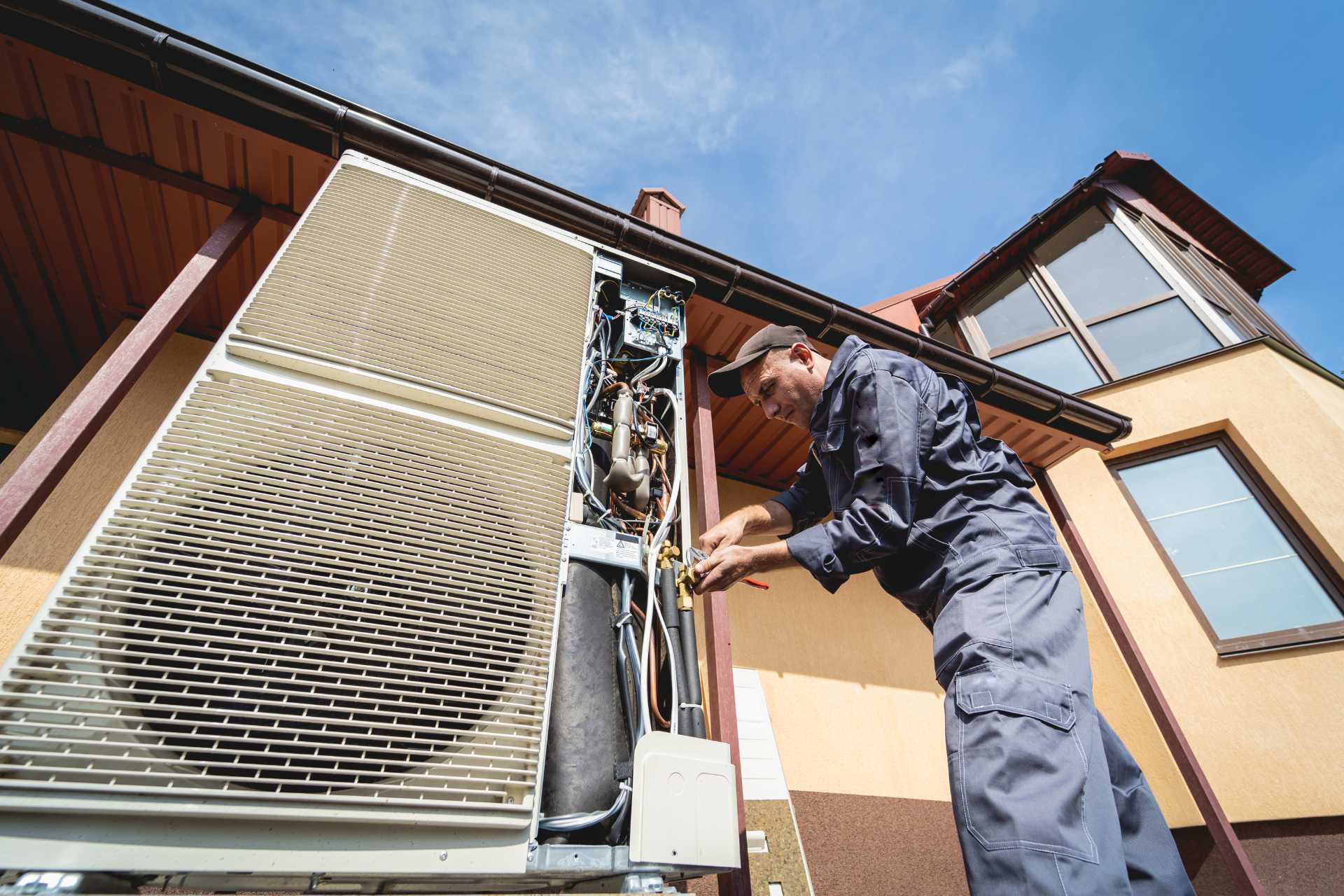
Securing a comfortable indoor living environment throughout the year requires a reliable mechanical core. Property owners across Canada routinely partner with a certified HVAC company to install, adjust, and repair their central heating and cooling units. Much like how you schedule routine annual checkups with a trusted family doctor to monitor your personal health, your home comfort systems need consistent expert attention. Taking a proactive approach to system upkeep stops minor mechanical friction from turning into catastrophic failures and helps maximize the lifespan of your units. Proper care ensures your furnace and air conditioner continue to run quietly and efficiently through freezing winters and humid summers alike.
Allowing a residential climate setup to run without routine maintenance places immense stress on every internal component. Over time, circulating household dust, hair, and airborne debris settle inside the blower cabinet and across the heat exchanger. This physical accumulation acts like a thick insulating barrier, forcing your system to work significantly harder to move conditioned air. This continuous overworking accelerates the wear on sensitive fan motors, relays, and compressor seals, leading to early breakdowns. Protecting your investment requires establishing a reliable maintenance routine that minimizes mechanical strain and maximizes system longevity.
The Quick Edit
- The Airflow Rule: Replacing your furnace air filters every three months is the easiest way to prevent fan motor burnout and system overheating.
- The Environmental Load: Optimizing your attic insulation and sealing window gaps cuts down your heating and cooling runtime by up to twenty percent.
- The Expert Advantage: Scheduling a professional mechanical tune-up twice a year catches minor electrical and fluid issues before they cause full system failures.
Airflow Optimization: The Lifeline of Your Comfort System
To maximize the operating life of your climate hardware, you must first understand the critical importance of unrestricted airflow. Your furnace and air conditioner are designed to move a specific volume of air across their heating and cooling elements. When air moves freely, the heat transfer process occurs quickly and efficiently, allowing the system to complete its cycle with minimal effort.
When return grilles are blocked or air filters are coated in dust, the system is starved of air. The fan motor must spin faster and work under high resistance to draw air through the blockage, causing it to overheat and fail early. Furthermore, low airflow causes your furnace’s heat exchanger to run too hot, leading to structural cracks that leak dangerous carbon monoxide. Changing your filters regularly is a simple, cost-effective task that prevents these severe safety hazards and extends the life of your equipment.
The Building Envelope: How Attic Dynamics Shield Your Equipment
Your home comfort system does not operate in a vacuum; its workload is directly dictated by your building’s overall thermal efficiency. Many homeowners do not realize that roof ventilation and heat retention can affect their home’s heating and cooling costs by altering the load on their system. During winter, a poorly insulated attic allows heat to escape rapidly, forcing your furnace to run almost continuously to maintain comfortable indoor temperatures.
In the summer, a hot, unventilated attic space acts like a massive radiator, beaming intense heat down through your ceilings and into your living areas. This extra thermal load forces your air conditioner to run long, exhausting cycles to combat the heat seeping in from above. Ensuring your attic has adequate blown-in insulation and functional soffit vents keeps these extreme temperatures out of your home. Reducing this environmental strain allows your climate systems to rest, preserving their components and lowering your monthly energy bills.
Troubleshooting or Replacement: Recognizing Severe System Failure
Even with meticulous preventative care, every mechanical system eventually reaches the natural end of its operational lifecycle. Property owners must learn to distinguish between minor, fixable component wear and the clear signs it’s time for a new HVAC system entirely. If your furnace is over fifteen years old and requires frequent, expensive repairs to stay running, continuing to patch it up is a poor use of capital.
Other severe warning signs include a sudden, permanent spike in your monthly utility bills and loud clanking noises coming from the compressor or blower. If different rooms in your home show massive temperature swings, your system’s internal controls or compressor may be failing. Recognizing these terminal warnings early allows you to plan an orderly replacement before a sudden breakdown leaves your family in the cold during a winter storm.
Efficiency Upgrades: Investments That Keep Giving
When planning a system replacement, prioritizing modern high-efficiency technology delivers exceptional long-term financial returns. Upgrading to a modern variable-speed furnace or a high-SEER2 heat pump system significantly reduces your overall household energy footprint. Investing in these modern energy-saving upgrades that pay for themselves over time allows you to recoup your initial upgrade costs through dramatic monthly utility savings.
Modern high-efficiency systems use advanced inverter technology to continuously adjust their heating and cooling output to match your home’s needs. Instead of blasting on and off at full power, they run at lower, energy-saving speeds for longer periods. This smooth operation eliminates the harsh electrical spikes and structural stress caused by frequent on-and-off cycling. This gentle operation protects your motors, coils, and valves, adding years of reliable service to your home comfort investment.
Evaporator Optimization: Maintaining Perfect Cooling Power
To protect your cooling equipment during humid summer months, you must keep a close eye on your system’s indoor and outdoor coils. If the indoor evaporator coil becomes coated in household dust, it cannot absorb heat efficiently from the air blowing past it. This lack of heat transfer causes the refrigerant temperature to drop below freezing, turning condensation on the coil into solid ice. This ice block completely restricts airflow and can quickly destroy your expensive compressor unit.
Additionally, keeping the outdoor condenser coil clean directly preserves the cooling capacity of the air conditioning unit in your yard. If the delicate metal fins of the exterior unit are clogged with grass clippings, dirt, or cottonwood seeds, the system cannot release heat. The compressor must pump at higher pressures to dump heat, running hot and using significantly more electricity. Washing the outdoor coils gently once a year keeps your system running smoothly, maintaining peak cooling capacity and protecting your compressor from early failure.
Maintenance Masterclass: The Vital Steps of a Professional Tune-Up
While changing your home’s air filters is a simple DIY task, keeping your system in top condition requires professional expertise. Scheduling a professional maintenance checkup twice a year—once in spring for your AC and once in autumn for your furnace—is highly recommended. These seasonal inspections allow an experienced technician to clean and calibrate delicate internal components that are difficult to reach.
During a typical cooling tune-up, the technician will check your system’s refrigerant charge and inspect all electrical terminals for signs of wear. They will also clean the condensate drain line to prevent water backups, lubricate moving fan bearings, and test the system’s safety shutoff controls. For your furnace, they will clean the burner assembly, inspect the heat exchanger for cracks, and test the gas valve pressure. These thorough checks ensure your system runs safely and efficiently, protecting your home and extending the life of your equipment.
Securing Reliable Indoor Comfort for the Long Haul
Maximizing the operational lifespan of your home comfort system requires a smart mix of regular maintenance and home efficiency upgrades. Your furnace and air conditioner rely on steady, clean airflow to move heat throughout your living spaces without overworking. Simple tasks like replacing your air filters every three months and washing debris from your outdoor condenser fins prevent common system strain. Combining these simple steps with proper attic insulation stops indoor heat from escaping, reducing the overall workload on your equipment.
Furthermore, scheduling regular professional tune-ups twice a year ensures minor mechanical issues are caught and repaired before they cause major breakdowns. Upgrading to high-efficiency, variable-speed systems prevents harsh start-and-stop cycles, extending the life of your components while lowering your energy bills. Taking control of your home’s climate systems early protects your investment, lowers your operating costs, and keeps your household safe and comfortable through every Canadian season.