Beat the Heat: Critical Factors That Control Your AC’s Cooling Capacity
Achieving perfect indoor comfort during hot summer months requires a well-balanced home cooling setup. Homeowners routinely look to a professional HVAC company to install and maintain their central climate systems. When upgrading an exterior, many people also focus on modern siding styles to boost curb appeal and add basic insulation. However, your indoor comfort depends entirely on the physical performance and cooling capacity of your cooling equipment. Understanding how your cooling system works helps ensure your home stays perfectly comfortable through every summer heatwave.
When outdoor temperatures soar, a weak or poorly maintained cooling system will struggle to keep up. This performance drop is rarely caused by a single mechanical breakdown. It is usually the result of several overlapping factors that limit your system’s total cooling power. These issues range from restricted airflow to incorrect system sizing. If you leave these issues unaddressed, your cooling units will run continuously, driving up your power bills and causing early mechanical wear. True home comfort requires optimizing your system’s operating environment, allowing your equipment to cool your home quickly and efficiently.
- The Quick Edit
- Thermal Equilibrium: How Your AC Moves Heat
- The Seasonal Transition: Prepping Your System for Summer
- The Building Envelope: How Your Home Traps Heat
- System Sizing: The Danger of Incorrect Capacity
- High-Efficiency Upgrades: Lowering Your Utility Bills
- Preventative Care: Keeping Your System Strong for Years
- Engineering a Cool, Comfortable Indoor Sanctuary
The Quick Edit
- The Airflow Barrier: Dirty furnace filters and clogged air grilles restrict air movement, starving your cooling coils and dropping your cooling capacity.
- The Thermal Load: Heat gain from thin attic insulation, drafty windows, and sunny walls places an extra work burden on your cooling system.
- The Outdoor Block: Dirt, grass clippings, and pollen on your exterior condenser unit trap heat inside the system, stopping it from cooling your home.
Thermal Equilibrium: How Your AC Moves Heat
To understand why your cooling system might struggle in summer, you must look at how it manages heat. An air conditioner does not actually create cold air out of nothing. It works like a heat sponge, absorbing warmth from inside your home and dumping it outdoors. The system uses a specialized chemical refrigerant that travels continuously between your indoor evaporator coil and your outdoor condenser unit.
Inside your home, warm air is blown across the cold indoor evaporator coil. The refrigerant inside the coil absorbs this indoor heat, cooling the air before it travels through your ducts. The warm refrigerant then pumps outside to your condenser unit, where a large fan blows the heat away into the outdoor air. If any part of this heat transfer cycle is blocked, your system’s overall cooling capacity drops significantly.
The Seasonal Transition: Prepping Your System for Summer
Making sure your system is ready for the first hot days of the year is essential. Homeowners must focus on getting their air conditioner ready for extreme heat before the summer season starts. The most important step is replacing your indoor furnace filter. A clogged filter acts like a thick wall, blocking warm indoor air from reaching your cold evaporator coils. This lack of airflow stops the system from moving heat quickly, leading to weak cooling and frozen indoor coils.
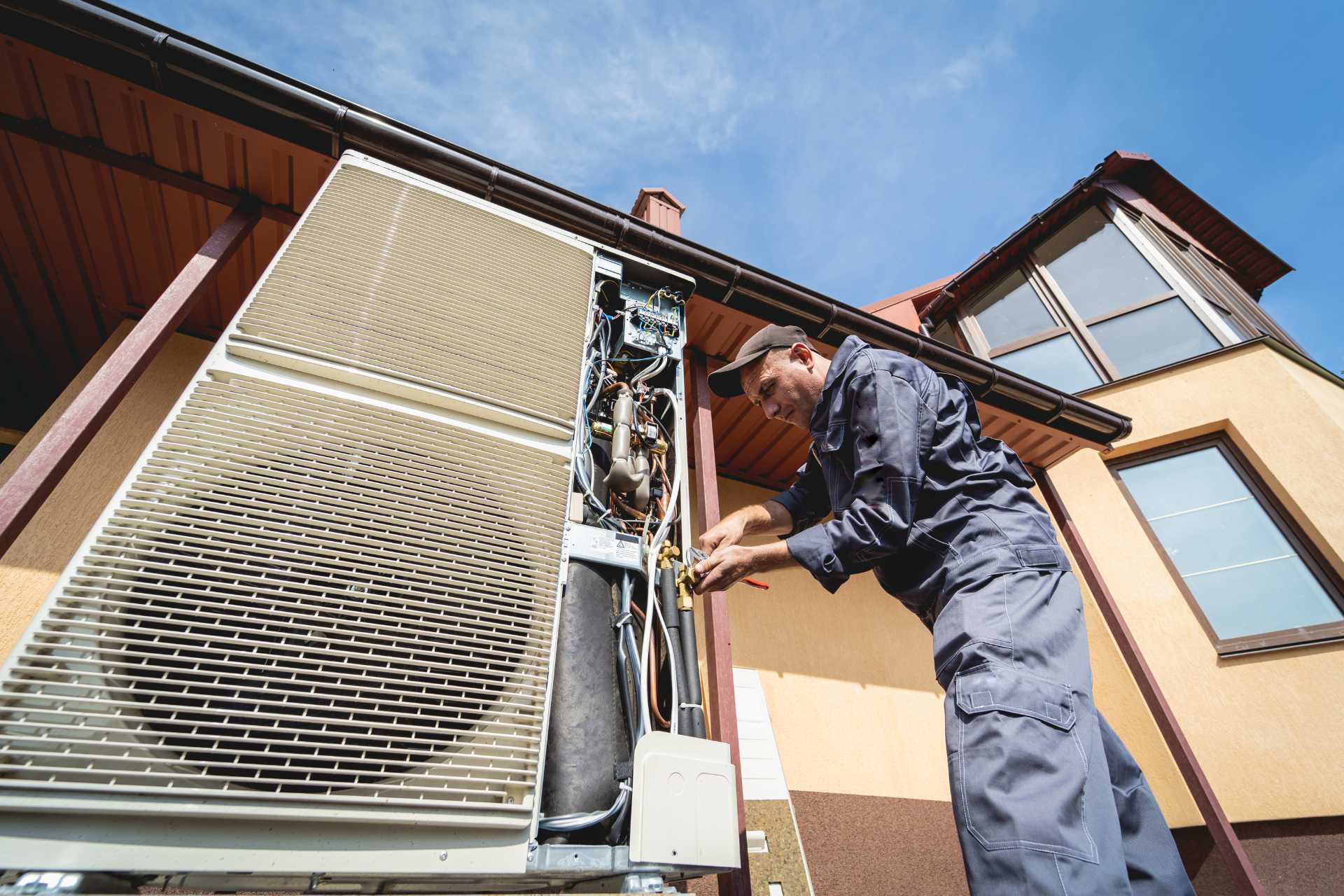
Additionally, you must clear away any debris from your outdoor condenser unit. Over the spring, falling seeds, cut grass, and dirt can coat the delicate metal fins of your outdoor coil. This dirty coating acts like an insulating blanket, trapping heat inside the condenser. This buildup stops your system from releasing heat into the outdoor air, lowering its cooling capacity and driving up energy costs. Washing the outdoor coils with a gentle garden hose clears this debris, keeping your system working at peak performance.
The Building Envelope: How Your Home Traps Heat
Your air conditioner’s ability to keep you cool is directly tied to your home’s overall insulation levels. The building envelope acts as a physical shield, stopping outdoor heat from entering your living spaces. If your attic lacks thick insulation or your windows have worn weatherstripping, hot outdoor air will seep inside constantly. This continuous heat gain places an extra thermal load on your cooling system, forcing it to run longer to keep your home comfortable.
To help your cooling system work efficiently, focus on simple home envelope improvements. Adding fresh weatherstripping around drafty doors and caulking gaps around window frames stops hot air from entering your home. Installing light-blocking curtains on sunny windows also keeps solar heat out, reducing the overall workload on your cooling system. These simple upgrades keep your home naturally cooler, allowing your air conditioner to reach your desired temperature quickly.
System Sizing: The Danger of Incorrect Capacity
When replacing an aging cooling system, choosing the correct unit size is vital. Many homeowners assume that buying the largest system available will deliver the best cooling. However, incorrect system sizing leads to serious comfort and efficiency problems. When budgeting for an HVAC upgrade, you must have a professional technician calculate your home’s exact cooling load to determine the perfect system capacity.
An oversized air conditioner will cool your home too quickly, a problem known as short-cycling. The system turns on, cools the air rapidly, and turns off before it can complete a full cycle. Because it runs for such short bursts, it never has enough time to pull humidity out of the air, leaving your home feeling cold and damp. An undersized system has the opposite problem, running continuously without ever reaching your set temperature. Selecting a properly sized unit ensures even cooling and excellent humidity control all summer long.
High-Efficiency Upgrades: Lowering Your Utility Bills
Upgrading to modern, high-efficiency cooling equipment delivers massive comfort and financial benefits. When replacing older units, look for systems with high Seasonal Energy Efficiency Ratio (SEER2) ratings. Modern systems use advanced variable-speed compressors and smart control grids to match their cooling output to your home’s real-time needs. Investing in these upgrades that quietly lower your energy bills ensures you stay cool without spending a fortune on power.
Additionally, pairing your new cooling system with a smart programmable thermostat helps maximize your efficiency. A smart thermostat learns your family’s daily schedule, automatically raising the temperature when you are away and cooling the home just before you return. These precise adjustments reduce unnecessary run time on your equipment, lowering your monthly energy bills and protecting your system from early wear.
Preventative Care: Keeping Your System Strong for Years
Taking care of your cooling equipment with regular preventative maintenance is the best way to protect your investment. Simple tasks like changing your air filters every three months and keeping your outdoor unit clear prevent common system issues. Furthermore, scheduling an annual professional tune-up is the single most effective way to extend the lifespan of the HVAC system in your home.
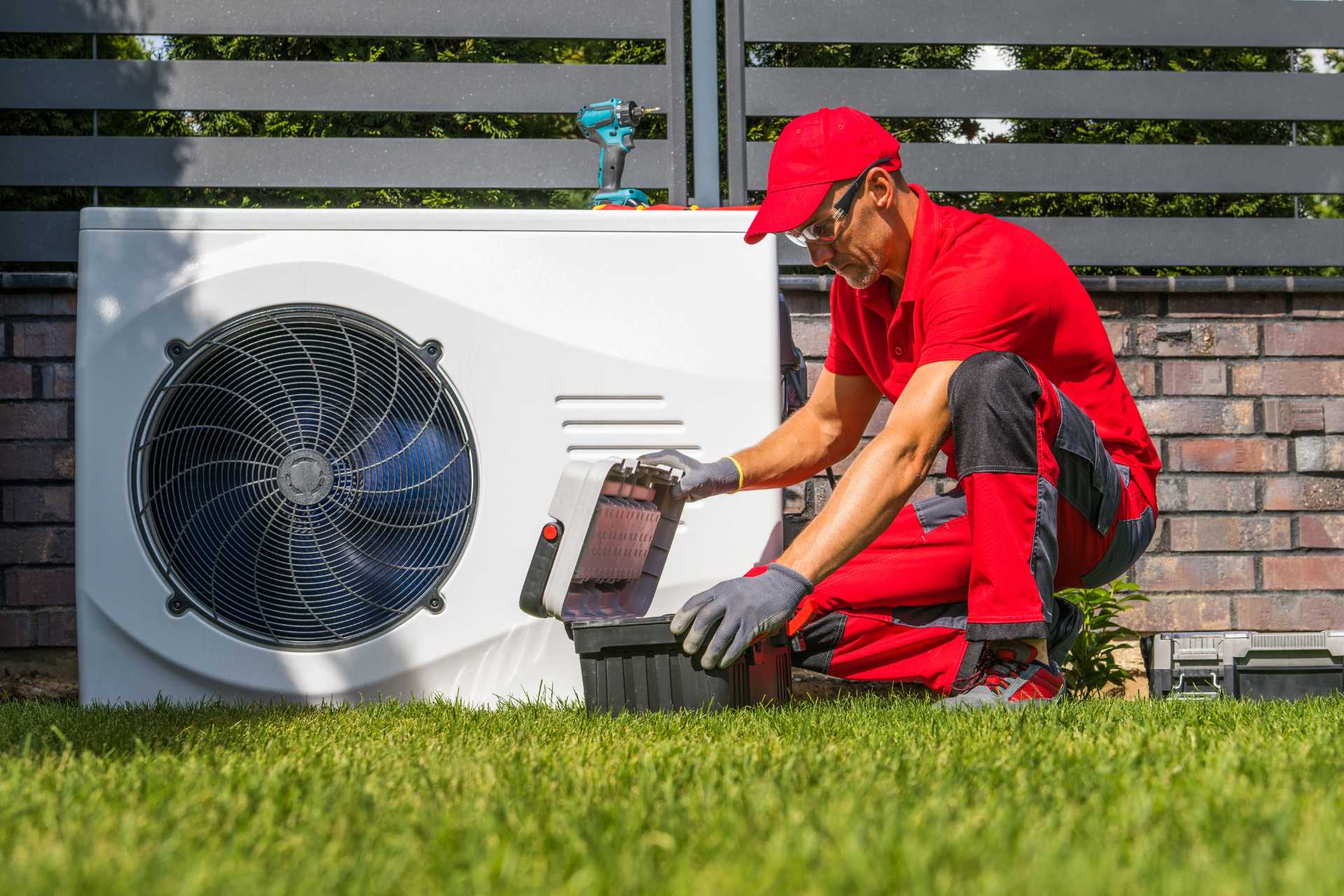
During a professional tune-up, an experienced technician will check your system’s refrigerant levels, tighten electrical connections, and lubricate all moving parts. They can easily spot and fix small issues, like a worn fan belt or a failing capacitor, before they cause a full system breakdown. This proactive care keeps your cooling system running at peak efficiency, ensuring your home stays cool and comfortable for decades.
Engineering a Cool, Comfortable Indoor Sanctuary
Optimizing your air conditioner’s cooling capacity is the key to enjoying a comfortable, worry-free summer. Your home’s cooling system relies on steady, unrestricted airflow and clean heat-transfer coils to move indoor warmth outside. Simple tasks like replacing your indoor furnace filters regularly and washing debris from your outdoor condenser unit prevent common performance drops. Combining these simple steps with proper home insulation cuts down on heat gain, letting your system cool your home quickly and efficiently.
Furthermore, choosing a properly sized system during an equipment upgrade prevents short-cycling and delivers excellent humidity control. High-efficiency upgrades like variable-speed compressors and smart thermostats reduce energy waste, keeping your utility bills low all summer long. Partnering with a professional technician for annual tune-ups catches minor mechanical wear early, protecting your investment and keeping your system running strong. Taking a proactive approach to your home’s cooling needs delivers reliable comfort, clean indoor air, and absolute peace of mind through every summer heatwave.