How Your Furnace Affects Indoor Air Quality
During Canadian winters, homes remain sealed for extended periods, making indoor air circulation more important than ever. While homeowners often schedule furnace repair when heating performance declines, fewer consider how the system influences overall air quality. Just as catch basin cleaning prevents debris buildup outside the home, routine furnace maintenance helps control contaminants inside. Heating systems continuously recirculate air throughout living spaces during cold months. Understanding how that process works reveals why furnaces play a major role in indoor air conditions.
When a furnace operates properly, it supports consistent airflow and filtration. However, mechanical issues or poor maintenance can allow dust, allergens, and pollutants to accumulate. In tightly sealed winter environments, those particles remain suspended indoors for longer periods. Heating systems do more than regulate temperature; they influence air movement and moisture levels. Recognizing this connection helps homeowners maintain healthier indoor environments.
The Connection Between Heating and Air Circulation
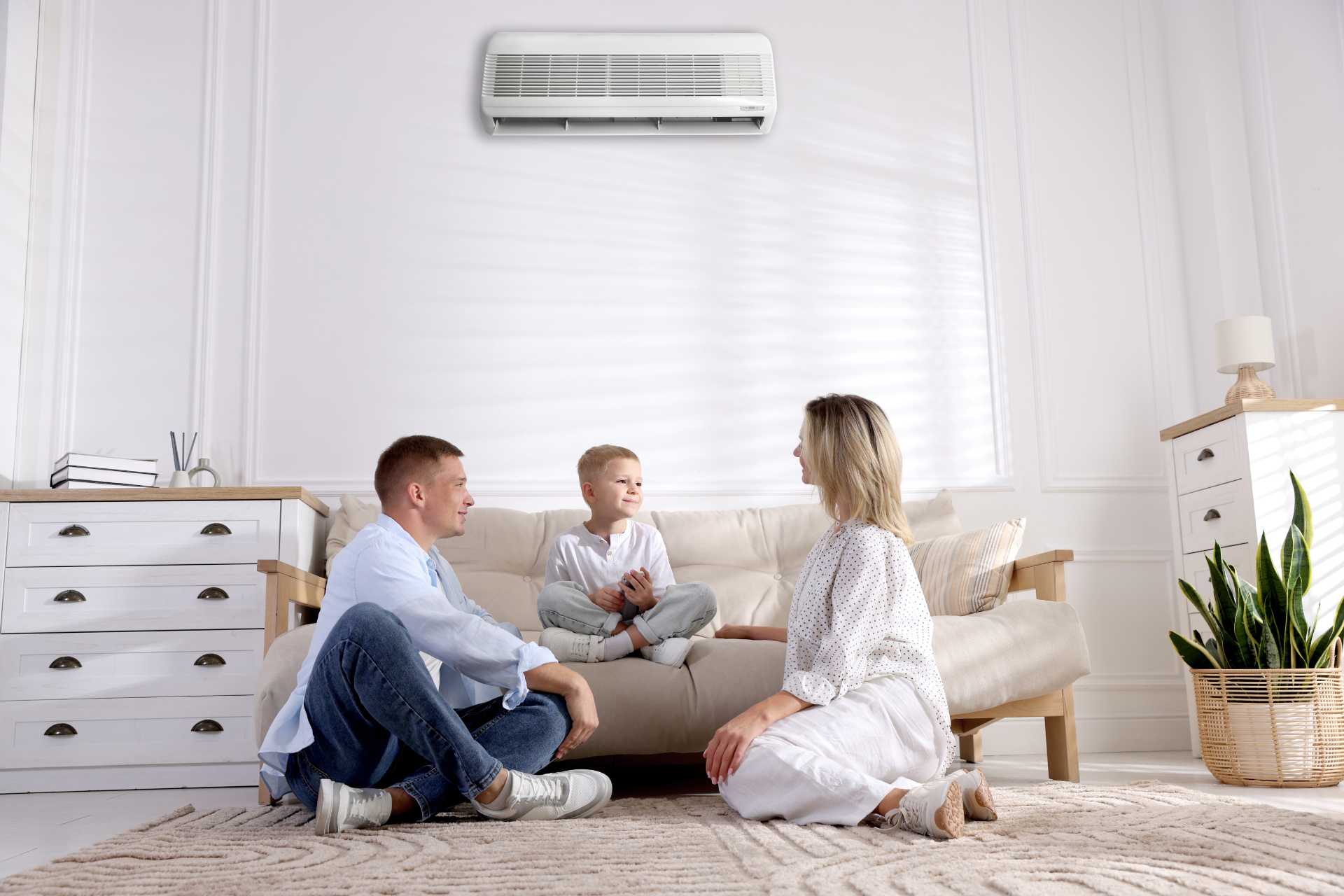
Furnaces do more than generate heat; they act as the central circulation system for indoor air. When the blower motor activates, warm air is distributed through ductwork and into living spaces. At the same time, return vents pull indoor air back through the system to be reheated and recirculated. During Canadian winters, this process operates almost continuously because homes remain sealed to retain warmth. As a result, the same indoor air cycles repeatedly through the furnace each day.
Because of this constant recirculation, the condition of the heating system directly influences indoor air quality. If ducts contain dust or filters are clogged, contaminants are redistributed rather than removed. Poor airflow can also create stagnant pockets of air where particles accumulate. Over time, this continuous circulation magnifies small maintenance issues. Understanding how heating and airflow are connected highlights why furnace upkeep is essential during long heating seasons.
The Role of Furnace Filters in Air Quality
Furnace filters are the primary defence against airborne particles inside the home. As air cycles through the system, filters capture dust, pet dander, and other contaminants before the air is redistributed. The effectiveness of this process depends on filter quality and replacement frequency. When filters become clogged, airflow is restricted and particles may bypass the filtration system. Regular maintenance ensures cleaner circulation throughout the winter months.
Choosing the correct filter rating also matters. Higher-efficiency filters capture smaller particles, improving overall air purity. Over time, neglected filters reduce system efficiency and increase internal strain. Homeowners may notice more dust settling on surfaces or worsening allergy symptoms. Replacing filters on schedule supports cleaner air and more efficient furnace operation.
How Furnaces Affect Humidity Levels
Cold winter air naturally holds less moisture, and heating systems can further reduce indoor humidity levels. As furnaces warm incoming air, relative humidity drops, often leading to dry indoor conditions. Low humidity can cause dry skin, irritated sinuses, and static electricity buildup. In tightly sealed homes, this dryness becomes more noticeable during prolonged heating cycles. Managing moisture levels is essential for maintaining comfort and respiratory health.
Many homeowners use humidifiers and dehumidifiers to balance indoor conditions. When integrated properly, these systems work alongside the furnace to regulate moisture levels. However, if humidity is not controlled, air can become either too dry or too damp. Excess dryness may irritate occupants, while high humidity can encourage mould growth. Balancing heat and moisture helps create a healthier indoor environment.
Airflow Problems and Pollutant Buildup
Restricted airflow can significantly affect indoor air conditions. When ducts are blocked or filters are clogged, air circulation slows and pollutants linger longer in living spaces. Dust, pet dander, and other airborne particles may accumulate rather than being filtered effectively. In some cases, stagnant airflow can also contribute to moisture buildup within ducts. Over time, this environment may support mould growth or unpleasant odours.
Balanced airflow supports both comfort and health. When heating systems operate efficiently, air moves consistently through return and supply vents. Maintaining this balance helps reduce the concentration of indoor contaminants. It also reinforces that proper ventilation is important to keep your home healthy during the winter months. Ensuring consistent airflow protects both the heating system and overall air quality.
How Poor Maintenance Impacts Air Quality
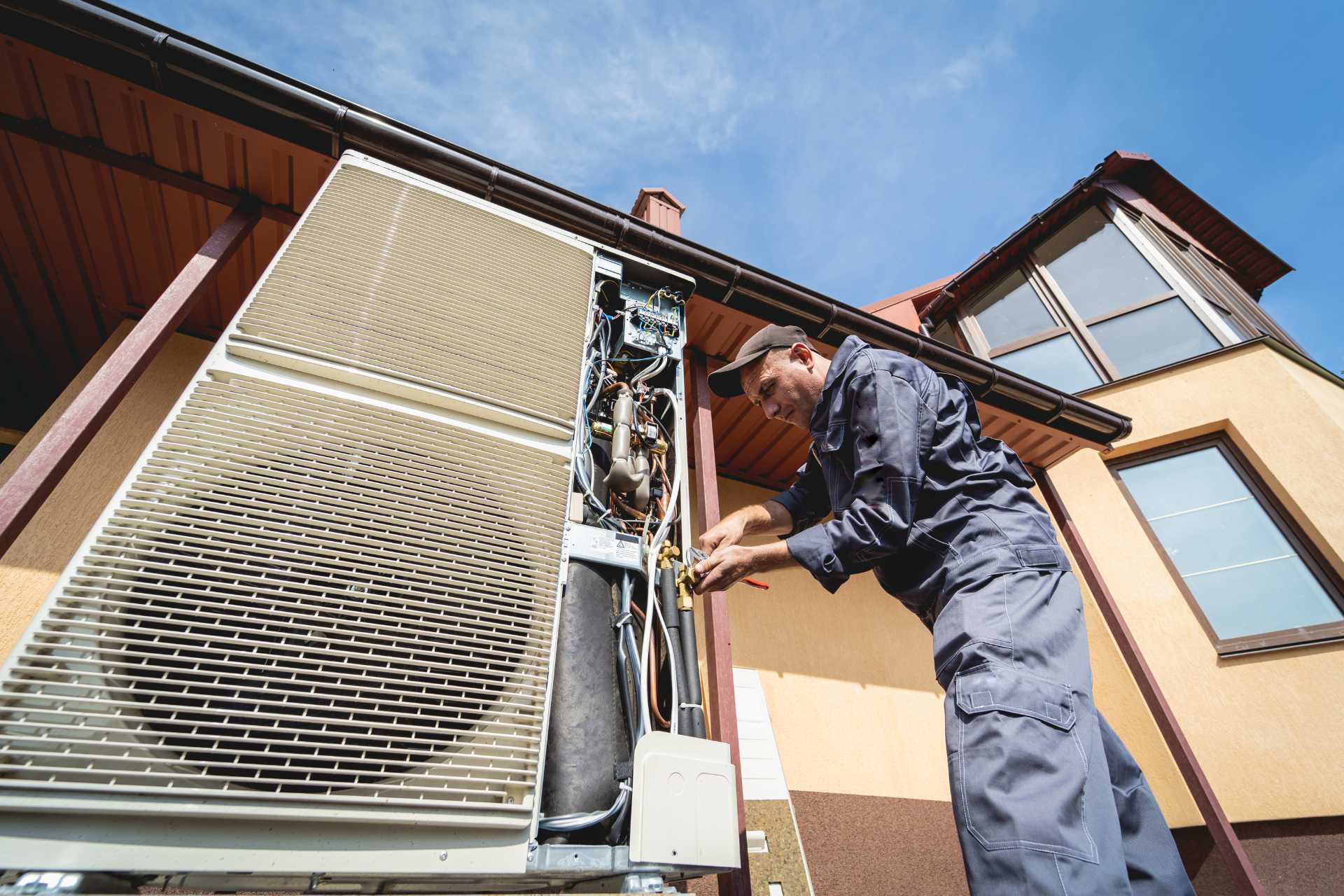
Neglected maintenance can reduce both furnace efficiency and indoor air quality. Dust and debris accumulate inside blower components and ductwork over time. As buildup increases, the system circulates contaminated air throughout the home. Dirty components also force the furnace to work harder to maintain temperature. Routine servicing helps prevent these gradual declines in performance.
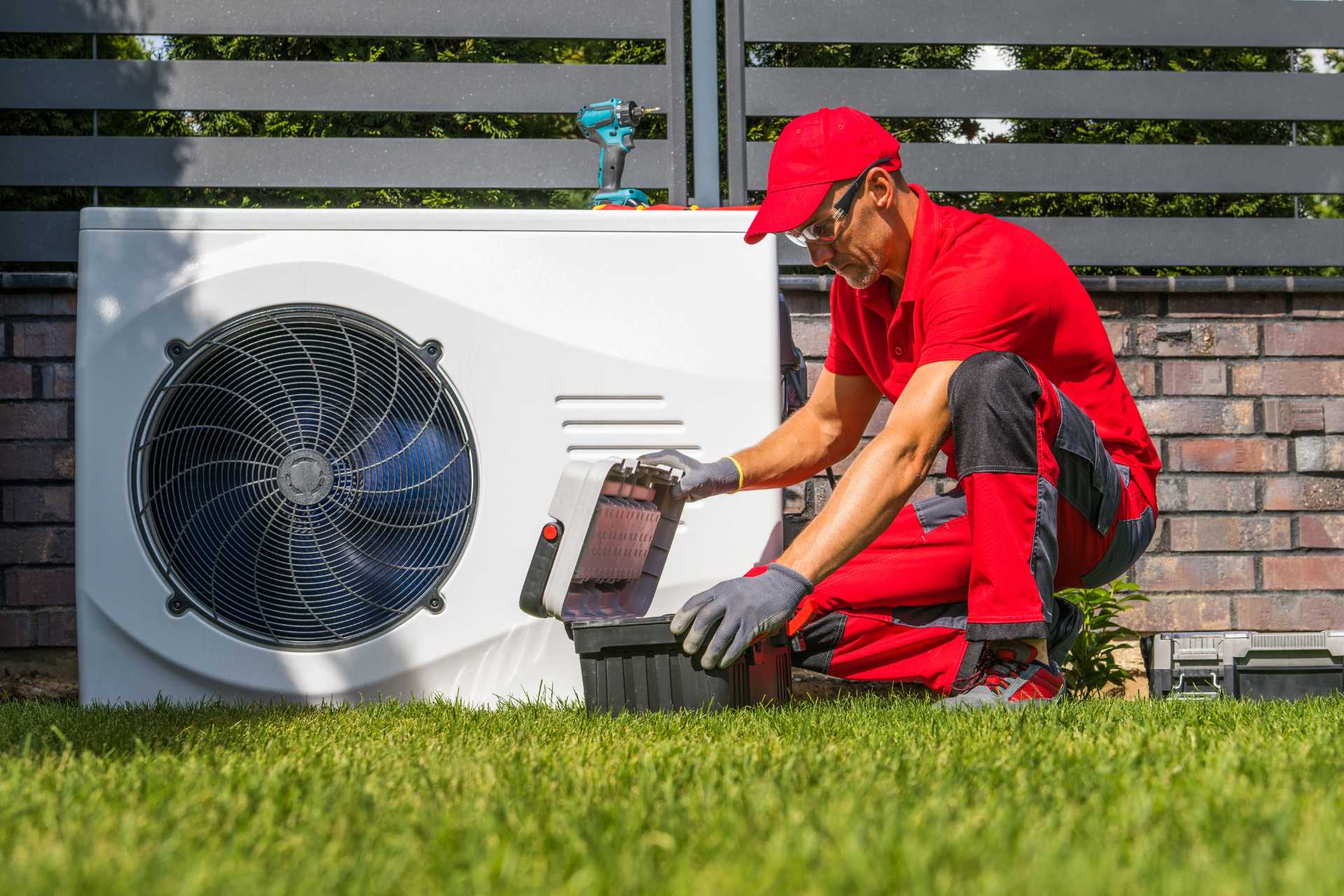
Combustion systems require regular inspection to ensure safe operation. In gas furnaces, incomplete combustion can produce byproducts that affect indoor air. Poorly maintained equipment may also struggle to regulate airflow consistently. Over time, these issues compound and affect overall comfort. Preventative maintenance protects both system longevity and indoor air conditions.
Signs Your Furnace Is Affecting Indoor Air Quality
Changes in indoor air quality often develop gradually before becoming obvious. Homeowners may notice increased dust settling on furniture shortly after cleaning. Persistent dryness, irritated sinuses, or frequent static shocks can also signal airflow or humidity imbalance. Unusual odours from vents may indicate dust buildup, mould presence, or combustion-related concerns. These warning signs suggest the heating system may not be circulating or filtering air effectively.
Mechanical symptoms can provide additional clues. Persistent furnace noises combined with weak airflow may point to internal buildup or restricted circulation. Uneven heating between rooms can further indicate duct issues or blower inefficiency. If the system struggles to maintain consistent temperatures, it may be working harder than necessary. Paying attention to both sound and air quality changes helps identify issues early and prevent long-term indoor air problems.
Clean Heating Means Cleaner Indoor Air
In Canadian winters, heating systems operate continuously and play a central role in indoor air circulation. Proper filtration, balanced humidity, and consistent airflow all contribute to healthier living conditions. When furnaces are maintained correctly, they support both comfort and air purity. Ignoring maintenance can allow pollutants and moisture imbalances to develop over time. Prioritizing system care helps maintain safe and comfortable indoor environments throughout the heating season.