The Allergy-Proof Home: Why Your Furnace is Your Best Defence Against the 2026 Pollen Explosion

April in Canada is traditionally a month of transition, a time when the last stubborn piles of snow finally retreat into the soil, and the first hints of green begin to dot the landscape. However, for millions of Canadians this year, the arrival of warmer weather has brought an unwelcome guest: a record-breaking “pollen explosion.” Due to a volatile winter followed by a rapid, intense spike in April temperatures, several major tree species—including Birch, Maple, and Cedar—are releasing their spores simultaneously. The result is a yellow haze that has sent thousands to their family doctor seeking relief from unprecedented respiratory distress and seasonal allergy symptoms.
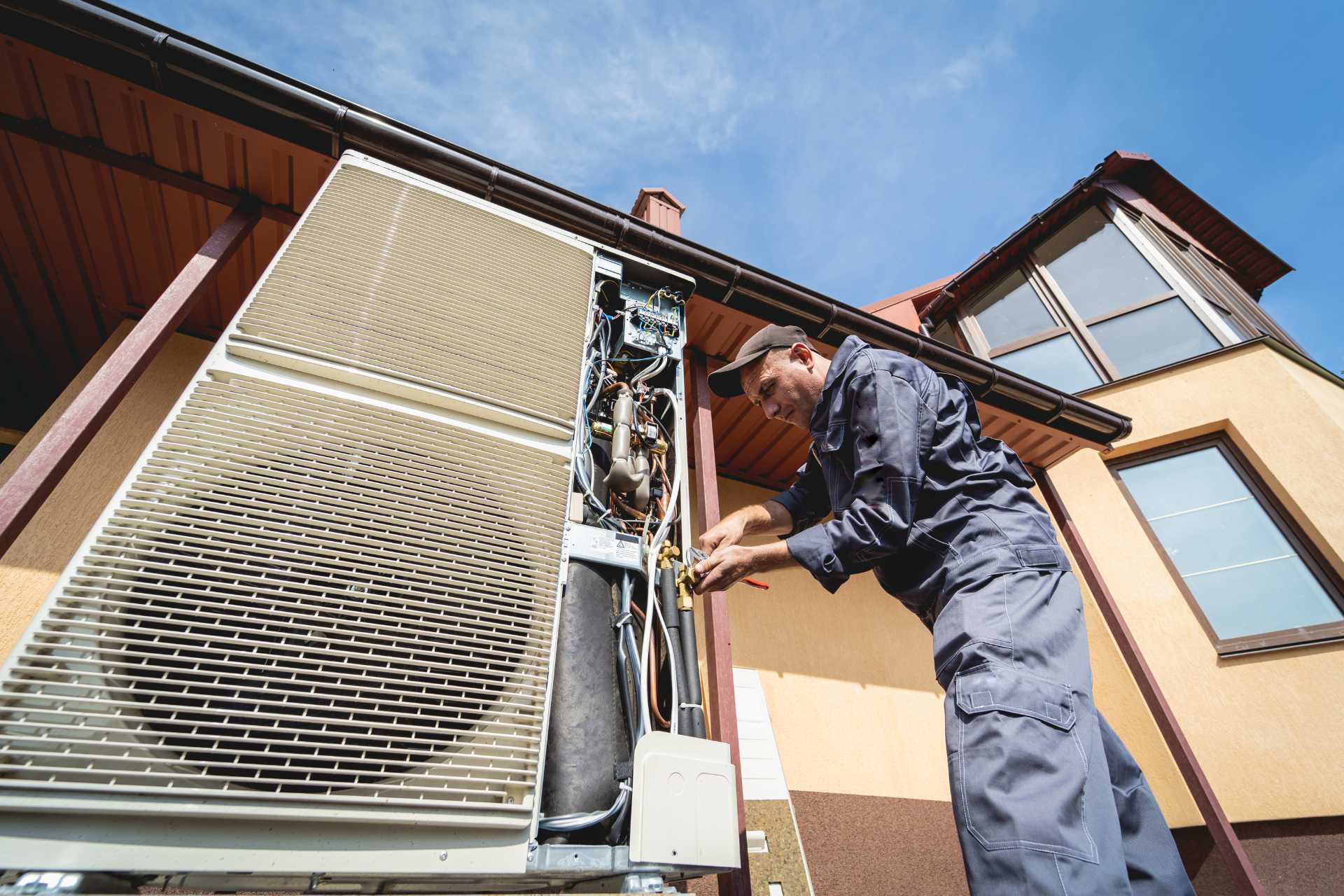
While most people associate seasonal allergies with the outdoors, the true battle for comfort happens inside the four walls of your house. In this high-pollen environment, your heating and cooling system is no longer just about maintaining a comfortable temperature. It is your primary line of defence. If you find yourself sneezing even when the windows are tightly shut, it may be time to stop looking at your medicine cabinet and start looking at your HVAC system. A timely furnace repair could be the difference between a miserable spring and a sanctuary of breathability.
- Understanding the “Whole-Home Air Scrubber” Concept
- The Hidden Dangers of “Bypass Air” and Mechanical Fatigue
- The Filter Trap: Why You Must Change the Furnace Filters Regularly
- Proper Ventilation is Important: Balancing Seals and Fresh Air
- The Path to Cleaner Air in Your Home
- Don’t Sneeze Through the Spring
Understanding the “Whole-Home Air Scrubber” Concept
In a modern Canadian household, the furnace is often misunderstood. Many see it as a one-dimensional machine designed only for the dead of winter. Homeowners often assume they can flip the thermostat to “Off” in April and forget about it until autumn. However, in 2026, the furnace is recognized as the central hub for year-round air quality.
It is important to remember that April is a “shoulder season” in many parts of Canada. During this time, the furnace is still very much in use. Overnight temperatures frequently dip toward the freezing mark. Consequently, your system continues to fire up to maintain a stable indoor climate. Even on milder days when the burners are dormant, the furnace fan remains the primary engine for ventilation.
When you keep your windows closed to block record-high pollen counts, you create a closed-loop environment. In this scenario, your furnace is responsible for circulating and scrubbing every cubic foot of air you breathe. If the system is dirty or suffering from wear, it fails more than just the heating test. It actively fails to clean your air. For those seeking cleaner air in their home, the mechanical integrity of the furnace is critical. This remains the most vital factor in controlling your indoor environment during the unpredictable fluctuations of spring.
The Hidden Dangers of “Bypass Air” and Mechanical Fatigue
A furnace that needs maintenance doesn’t just work less efficiently. It actually allows allergens to “leak” through the system. This is a phenomenon known as bypass air. Within a standard furnace cabinet, there are several points where air is pulled from the return vents and pushed through the heat exchanger. If the cabinet seals have perished or if the filter rack is bent, the suction created by the blower motor will pull unfiltered, pollen-heavy air from your basement or utility room and blast it directly into your living areas.
Furthermore, the blower motor itself is under immense pressure during these spring shoulder seasons. Because the temperature fluctuates so wildly in April—often swinging 20 degrees between noon and midnight—the furnace is forced into a cycle of frequent starts and stops. If the blower motor is sluggish or the bearings are worn, it cannot generate the static pressure required to force air through the dense, high-efficiency filters necessary to trap microscopic pollen grains. This mechanical failure leads to a stagnant environment where allergens settle on surfaces rather than being filtered out.
The Filter Trap: Why You Must Change the Furnace Filters Regularly
One of the most common mistakes homeowners make during the allergy season is ignoring the physical state of their filtration system. It is a simple truth of home maintenance: you must change the furnace filters at least every 90 days, and in a high-pollen year like 2026, that frequency should likely increase to every 30 days.
When a filter becomes “loaded” with dust and pollen, it creates a wall of resistance. A clogged filter doesn’t just stop cleaning the air. It can actually cause the furnace to overheat. Many of the mechanical issues we see in April are the result of a “limit switch” tripping. This is a safety feature that shuts the furnace down because the air cannot move past the clogged filter, causing the internal components to reach dangerous temperatures. By staying diligent with your filter schedule, you protect both your respiratory health and your equipment’s lifespan.
Proper Ventilation is Important: Balancing Seals and Fresh Air
In the quest to “allergy-proof” a home, there is a risk of making the structure too airtight. While the goal is to keep the yellow dust outside, proper ventilation is important to prevent the buildup of indoor pollutants and carbon dioxide. A well-maintained furnace system, particularly one equipped with a Heat Recovery Ventilator (HRV) or a fresh air intake, allows the home to “exhale” stale air while “inhaling” fresh air that has been properly scrubbed through a high-efficiency media filter.
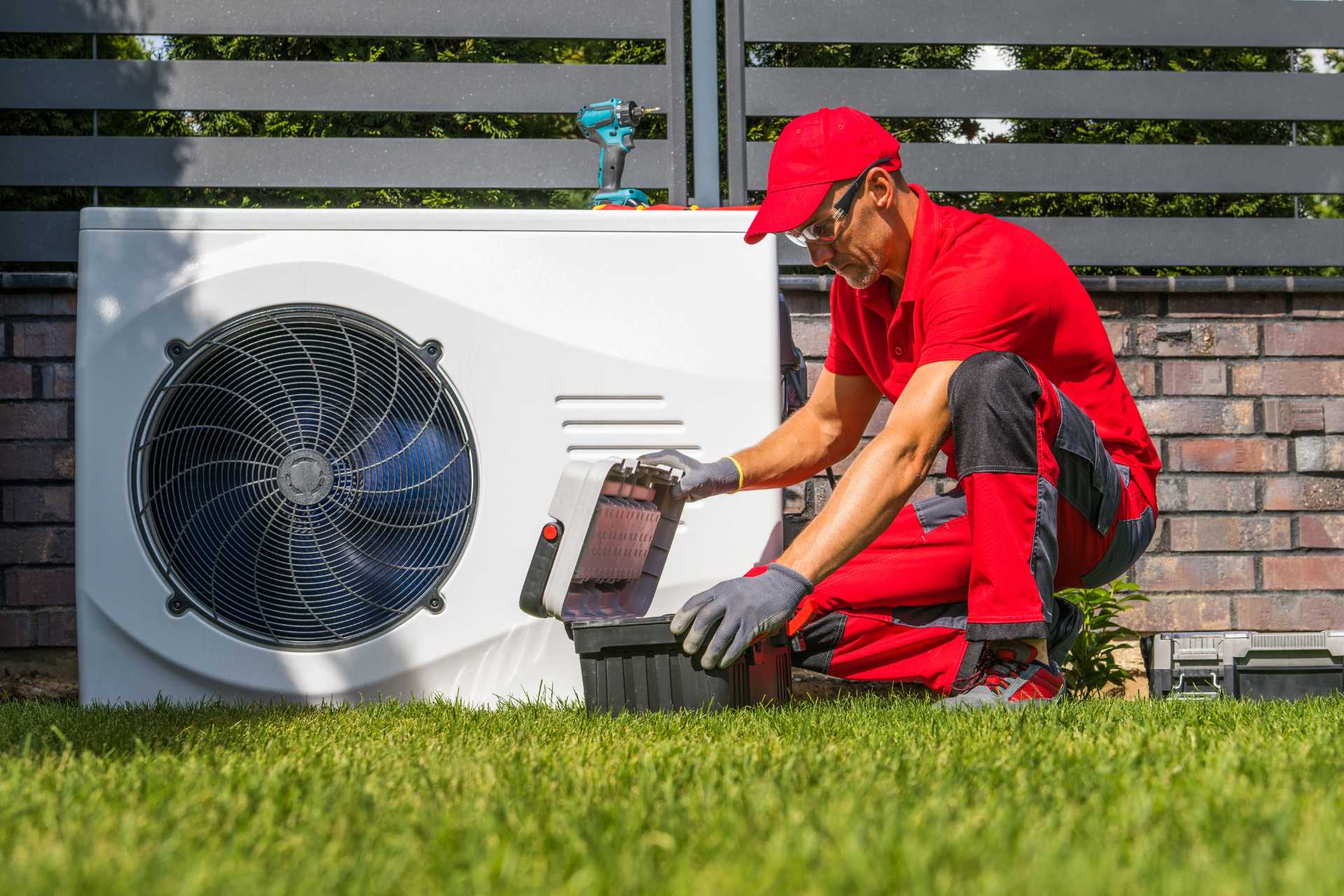
Without this mechanical exchange, indoor air can actually become significantly more polluted than outdoor air. This is why a professional tune-up in April is so vital. A technician can ensure that your fresh air intake is clear of debris and that the dampers are operating correctly to allow for a healthy exchange of air without letting the pollen “gatecrash” your living room.
The Path to Cleaner Air in Your Home
Achieving cleaner air in your home during a Canadian April requires a two-pronged approach: high-quality filtration and mechanical reliability. In 2026, many homeowners are upgrading to MERV 13 filters, which are capable of trapping the smallest pollen spores. However, these filters are thick and heavy. You shouldn’t expect your furnace to push air through a high-efficiency filter if the motor is struggling or hasn’t been serviced in years.
Don’t Sneeze Through the Spring
The 2026 pollen explosion serves as a vital reminder. Our homes are our primary shelters. Therefore, the mechanical systems within them are essential tools for our health. You should not have to wait for an appointment with your family doctor to find relief. Proper indoor care can combat the allergens currently blanketing the country.
Taking a proactive approach makes a significant difference. You must remember to change the furnace filters regularly. It is also vital to acknowledge that proper ventilation is important. Addressing mechanical issues before a total shutdown transforms your home into a safe haven. April’s spring shoulder seasons are a time of renewal. You should ensure the air inside your home feels as fresh as the season intended.