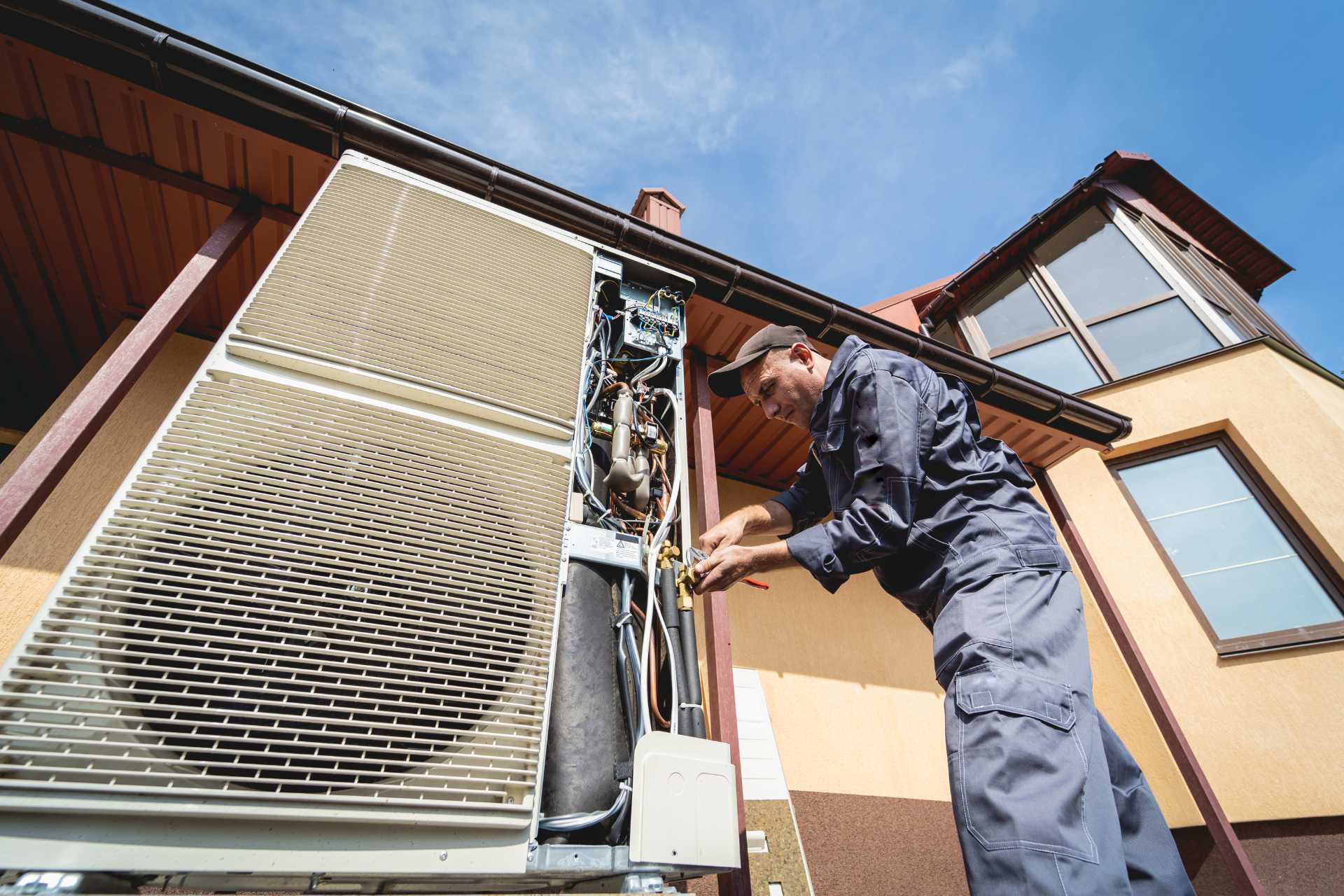
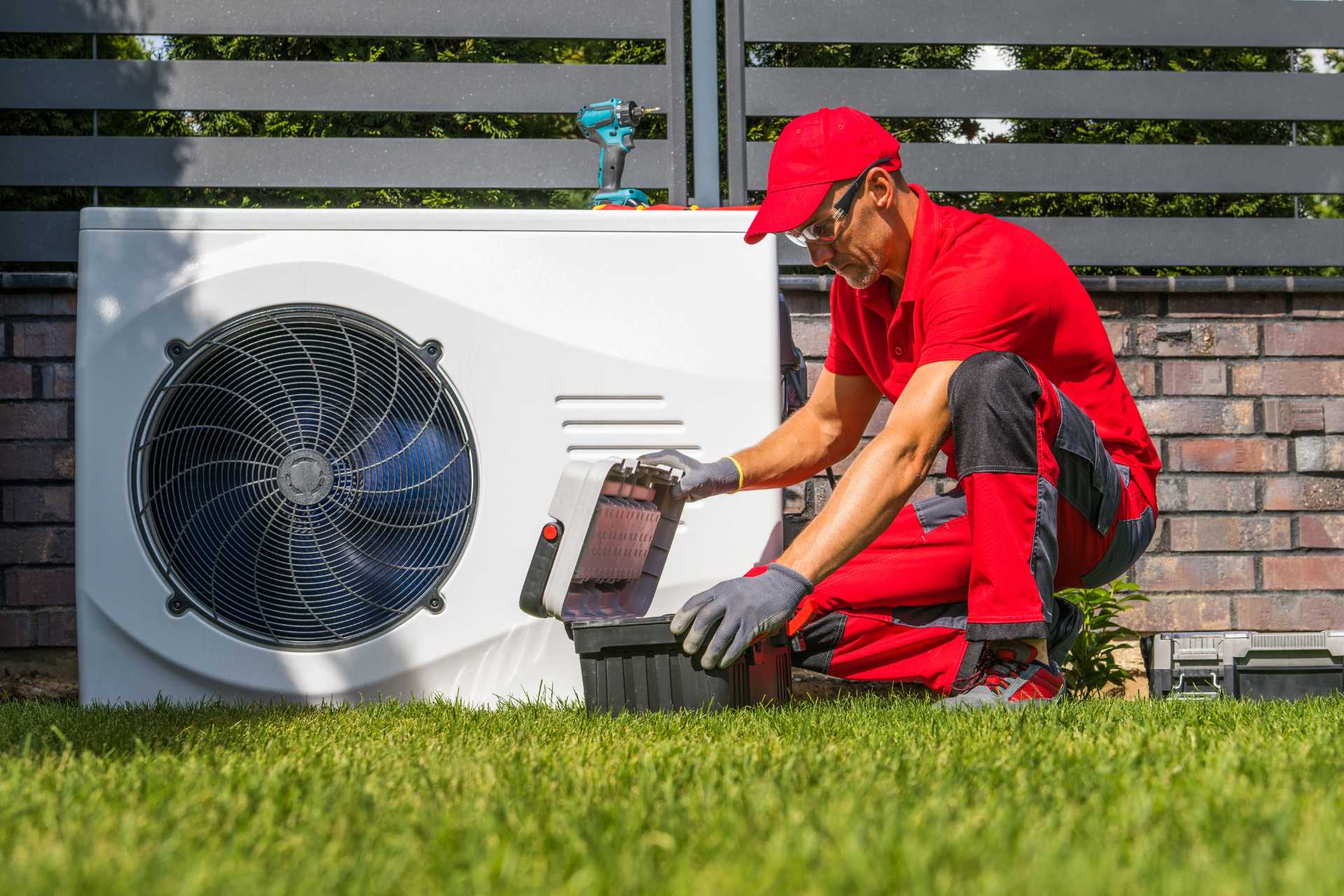
Spring Cleaning for Your Heating System: Clearing Vital Components to Avoid Winter Emergency Repairs
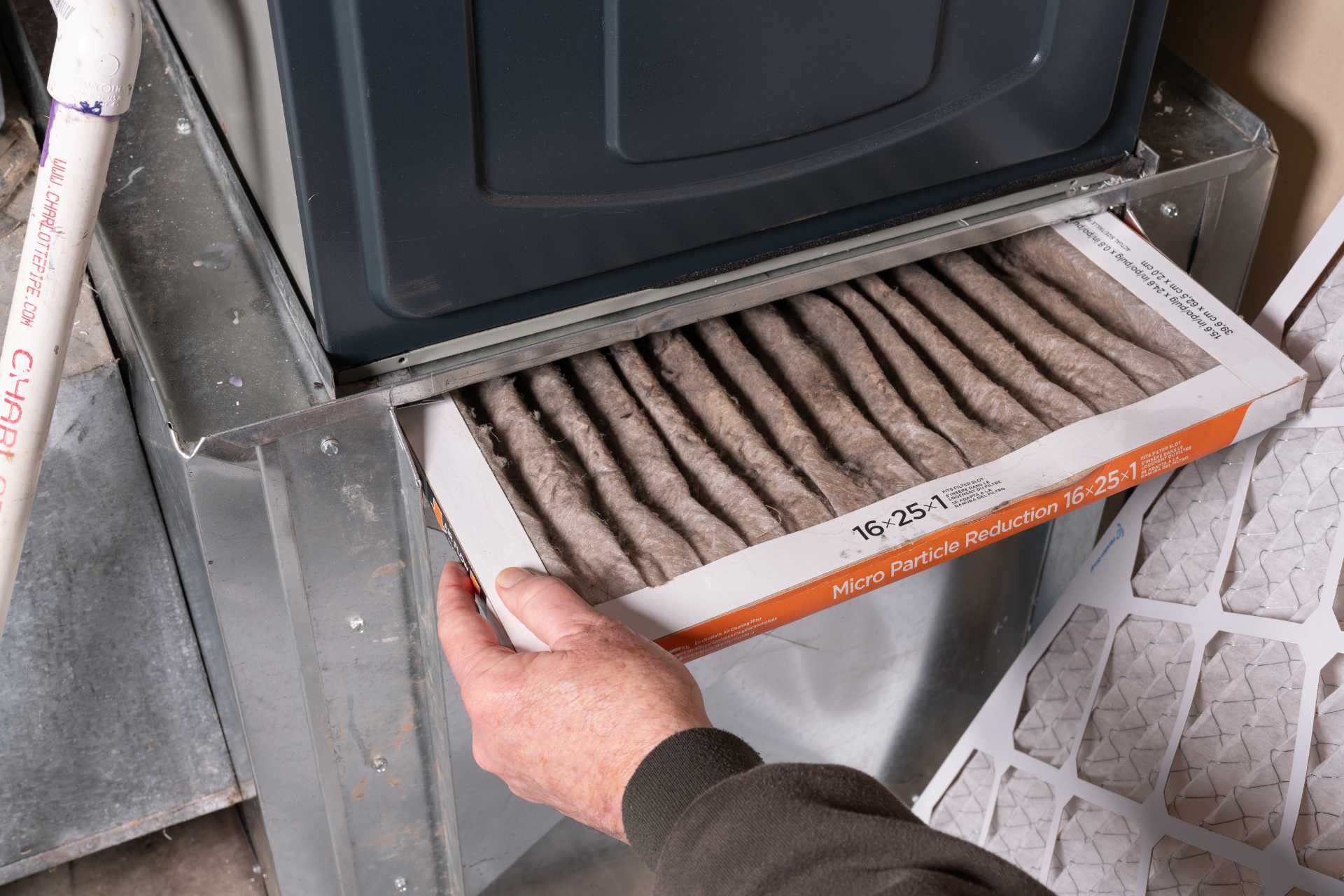
As the snow melts and Canadians welcome the warmer weather, spring cleaning checklists naturally dominate household to-do lists. Power washing the deck, clearing debris out of garden beds, and washing windows are common priorities during this seasonal transition. However, many property owners overlook the critical utility system that has just spent the last six months working around the clock to keep them safe. Shifting your maintenance focus inward to your heating system during the spring is one of the smartest operational decisions you can make. Throughout a long, brutal Canadian winter, your heating system accumulates significant layers of carbon soot, fine airborne dust, and trapped moisture. Leaving this grime sitting inside the dark cabinet all summer causes off-season corrosion that quietly ruins internal components while the system sits idle, making future emergency repairs almost inevitable.
Ignoring this post-winter buildup is a major maintenance mistake that directly invites a sudden, middle-of-the-night heating failure when temperatures drop again. Taking a small amount of time in the spring to address minor adjustments prevents you from needing a stressful, high-priced emergency furnace repair when the next deep freeze hits. Furthermore, if you plan to put your property on the market, clean utilities are a massive selling point. A local real estate agent will confirm that a spotless, well-maintained utility room gives potential buyers confidence, while a filthy, neglected system can quickly derail a pending property sale.
- The Quick Edit: Tracking the Progression of Heating Failures
- Mechanics of System Strain and Airflow Restriction
- Mechanical Component Failure: Ignition and Blower Issues
- The Safety Hazard: Carbon Monoxide and Cracked Heat Exchangers
- Professional Emergency Intervention: Restoring the Heat
- Maintaining Comfort and Peace of Mind
The Quick Edit: Tracking the Progression of Heating Failures
Proactive spring maintenance is all about identifying system vulnerabilities before they escalate into complete mechanical failures. When dust and corrosive residue build up inside a furnace, they alter the operating efficiency of delicate electronic and mechanical parts. To help you evaluate the health of your heating system, use this quick-reference diagnostic matrix to see how minor dirt accumulation progresses into a major winter emergency:
| System Component | Clean, Maintained Baseline | Neglected Spring Status | Winter Emergency Repair Risk |
|
Flame Sensor Rod |
Clean, bright metal surface that conducts electrical currents flawlessly. | Coated in a white, insulating layer of carbon soot and silica. | Complete ignition failure; system shuts down immediately after lighting. |
|
Condensate Drain Trap |
Clear, free-flowing plastic trap that channels water out of the unit. | Clogged with a thick, slimy mixture of stagnant water and dust. | Safety float switch triggers, leading to a sudden mid-winter shutdown. |
|
Intake & Exhaust Vents |
Wide-open plastic pipes free of external blockages or bird nests. | Obstructed by autumn leaves, dirt buildup, or summer insect debris. |
Pressure switch stays open, creating severe furnace strain and short-cycling. |
|
Blower Fan Assembly |
Balanced, dust-free fan blades that spin smoothly and quietly. | Weighted down by a thick layer of fine household dust and pet dander. | Burnt-out motor bearings and loud furnace noises during operation. |
Evaluating these indicators allows you to catch minor performance issues during the warm spring months. Taking action now gives you plenty of time to budget for an HVAC upgrade or schedule routine service if a component is nearing the end of its operational lifespan.
Mechanics of System Strain and Airflow Restriction
Reliable home heating depends entirely on consistent, open airflow mechanics throughout the system. The furnace blower fan must easily draw air through the return ducts, push it across the hot heat exchanger, and distribute it evenly throughout the house. When a furnace filter is neglected over the long winter months, it accumulates a thick mat of dust, pet dander, and airborne debris. This restriction starves the system of air, forcing the blower motor to work twice as hard to push air through the restricted mesh.
This continuous restriction creates immense furnace strain that rapidly degrades internal electronics and mechanical parts. Without enough cool air flowing over the heat exchanger, the internal temperatures inside the cabinet spike to dangerous levels. This overheating causes the safety limit switch to trip, shutting down the burners instantly to prevent the metal from cracking. This constant cycle of starting and stopping—known as short-cycling—wears out your components prematurely and severely shortens the overall lifespan of your equipment.
Mechanical Component Failure: Ignition and Blower Issues
Even if your system has perfect airflow, a furnace cannot function without reliable ignition mechanics. One of the most common causes of a winter breakdown is a dirty flame sensor rod. Over a long heating season, the chemical process of burning natural gas or propane leaves behind a thin, invisible coating of white carbon soot and silica on the metal rod. This microscopic layer acts as an electrical insulator. When the furnace fires up, the sensor fails to detect the flame through the grime, causing the control board to shut off the gas valve as a safety precaution.
The blower fan assembly is equally vulnerable to mechanical wear caused by a lack of cleaning. As the fan blades spin, they pull residual dust past the filter, coating the motor housing and moving parts. This accumulation traps heat inside the motor windings and dries out the sealed bearings. The added friction results in loud, irritating furnace noises, such as high-pitched squealing or rhythmic rattling, right before the motor burns out completely. Cleaning these tiny parts during your spring checklist keeps the system running smoothly and quietly.
The Safety Hazard: Carbon Monoxide and Cracked Heat Exchangers
A neglected heating system does more than just threaten your physical comfort; it can transform into a serious health hazard for your household. The core of any furnace is the heat exchanger, a series of metal chambers that keep toxic combustion gases completely separate from the clean air circulating through your home. Over years of heavy winter use, this metal expands and contracts under extreme temperature shifts. If the system is constantly forced to run hot due to restricted airflow and poor maintenance, this intense thermal stress can cause the metal walls to warp and develop micro-cracks.
When a heat exchanger cracks, dangerous exhaust gases—including odourless, colourless, and highly toxic carbon monoxide—can leak directly into your living spaces. This makes checking the integrity of the heat exchanger during your spring maintenance routine absolutely critical. If a technician discovers a breach in this component, a complete furnace replacement is often required to keep your home safe. Catching this issue early in the spring ensures you have plenty of time to replace the unit safely, long before the first winter frost sets in.
Professional Emergency Intervention: Restoring the Heat
Resolving a sudden mid-winter heating failure requires a systematic mechanical approach. When a furnace shuts down in zero-degree weather, certified HVAC technicians must deploy specialized diagnostic tools. They use these instruments to check electrical continuity, test gas pressure, and inspect safety switches. The team works through a strict checklist to find the precise point of failure. This process involves measuring voltage drops across the control board and testing the pressure switch against factory specifications.
Once the failure is isolated, the technician replaces the damaged parts. This could mean replacing a faulty gas valve, a cracked circuit board, or a dead motor. After the installation, they run a comprehensive safety test. This step ensures the system fires up reliably and operates cleanly within its design parameters. Taking care of these systematic inspections during the pleasant spring months allows you to replace worn components at your convenience. Doing this helps you avoid paying premium emergency rates during a severe winter storm.
Maintaining Comfort and Peace of Mind
Taking the time to turn your spring cleaning focus inward on your furnace is the best defence against future mechanical breakdowns. Your heating system works incredibly hard through the harsh Canadian winter. Because of this heavy workload, it deserves dedicated care before sitting idle during the humid summer months. Cleaning tiny, critical components like the flame sensor takes very little effort. Flushing out the condensate trap and clearing away vent blockages are also quick tasks. However, these small actions yield massive long-term structural benefits.
By taking charge of these simple maintenance tasks today, you eliminate hidden carbon soot and trapped moisture. Removing these residues stops the off-season corrosion that ruins components over the summer. This proactive approach guarantees your system will fire up flawlessly when the cold weather returns, providing total comfort for your family. Best of all, a little spring upkeep keeps your utility bills low and protects your long-term property value. Most importantly, it saves you from the intense stress of costly winter emergency repairs.