Why You Should Coordinate HVAC Upgrades With Driveway Paving or Repairs
Imagine the immense satisfaction of a brand-new, perfectly smooth asphalt driveway. The clean lines and dark, unblemished surface have finally elevated the home’s curb appeal. Now, imagine the horror of watching a different crew arrive just weeks later to cut a deep, ugly trench right through the middle of it. This painful scenario is an all-too-common reality for homeowners who replace their driveway without considering their home’s other major systems. A home’s hardscaping and its mechanical systems are deeply interconnected. A professional HVAC company can install a new air conditioner, but if the lines run under the driveway, a lack of coordination can be disastrous. Strategically timing HVAC upgrades alongside the installation of a new asphalt driveway is one of the smartest decisions a homeowner can make, saving time, money, and future disruptions.
The Hidden Network: What HVAC Components Live Under Your Driveway?
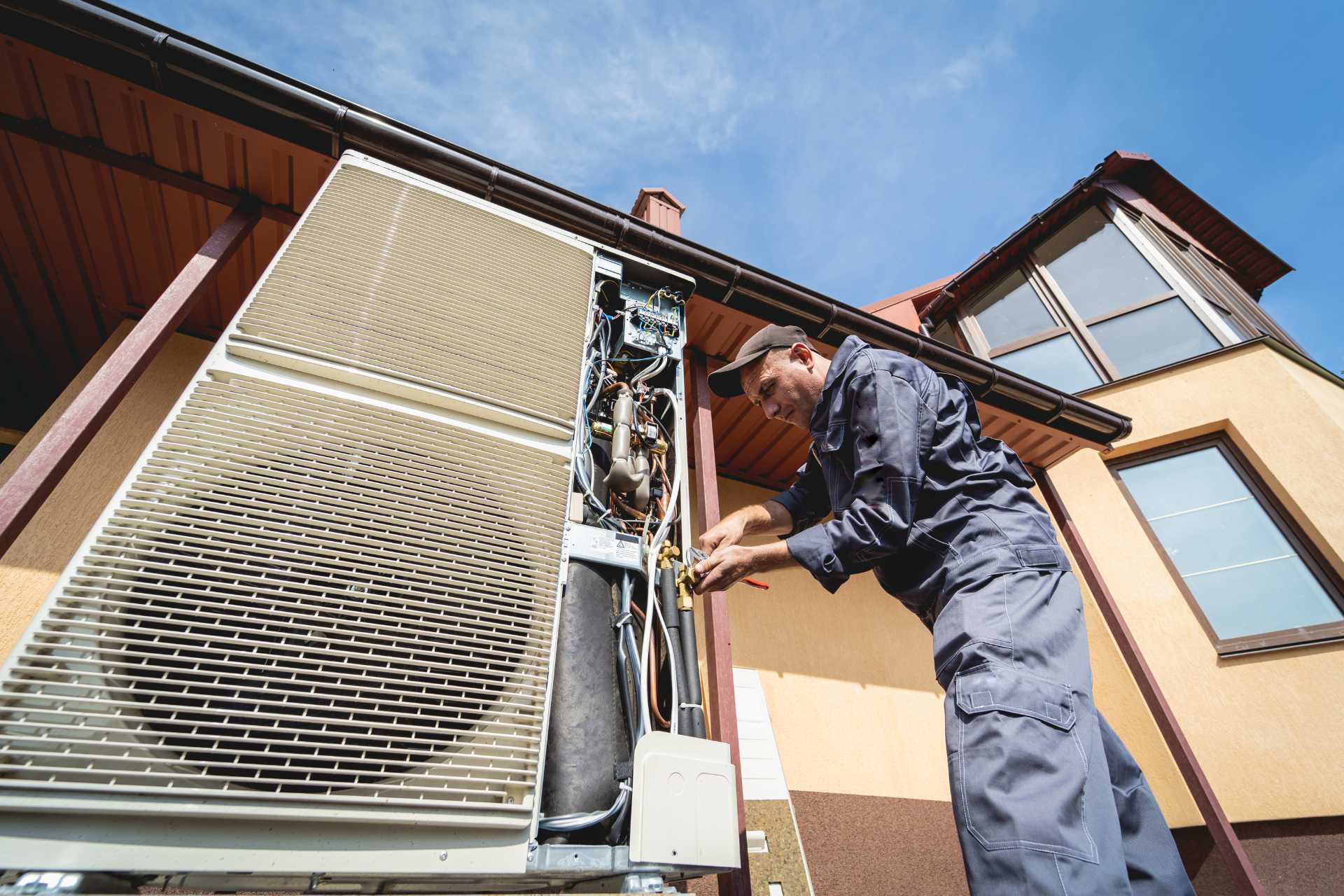
The outdoor HVAC unit—the air conditioner or heat pump—is not a standalone box. It is connected to the indoor furnace or air handler via a series of critical lines. These lines are often buried in a shallow trench that runs from the side of the house to the unit’s location, a path that frequently crosses or runs alongside the driveway. The most important of these is the refrigerant line set, which consists of two copper pipes that carry refrigerant back and forth. Upgrading an air conditioner or performing furnace repair often requires inspecting or replacing this line set to match the system’s specifications and ensure peak efficiency.
Alongside the refrigerant lines, there is a protective electrical conduit that carries the high-voltage wiring needed to power the outdoor unit. There is also a condensate drain line, a simple pipe that carries water away from the indoor coil. This must be properly routed to a drainage point to prevent water from pooling near the foundation. For homes with natural gas, the main gas line may also run underground in the vicinity of the driveway. Accessing, repairing, or replacing any of these essential lines requires excavation. If a new driveway is already in place, the only option is to cut through it.
The Strategic Advantage: Benefits of a Coordinated Approach
The most significant benefit of a coordinated approach is massive cost savings. The expense of cutting, removing, and then patching a new driveway is substantial. A patch will also never perfectly match the original surface. Coordinating the projects allows the necessary trenching to be done once. This happens on open ground before any expensive paving materials are installed. This “dig once” philosophy saves thousands of dollars in redundant work. It also preserves the pristine, seamless look of the new driveway. This is the most efficient use of both time and money.
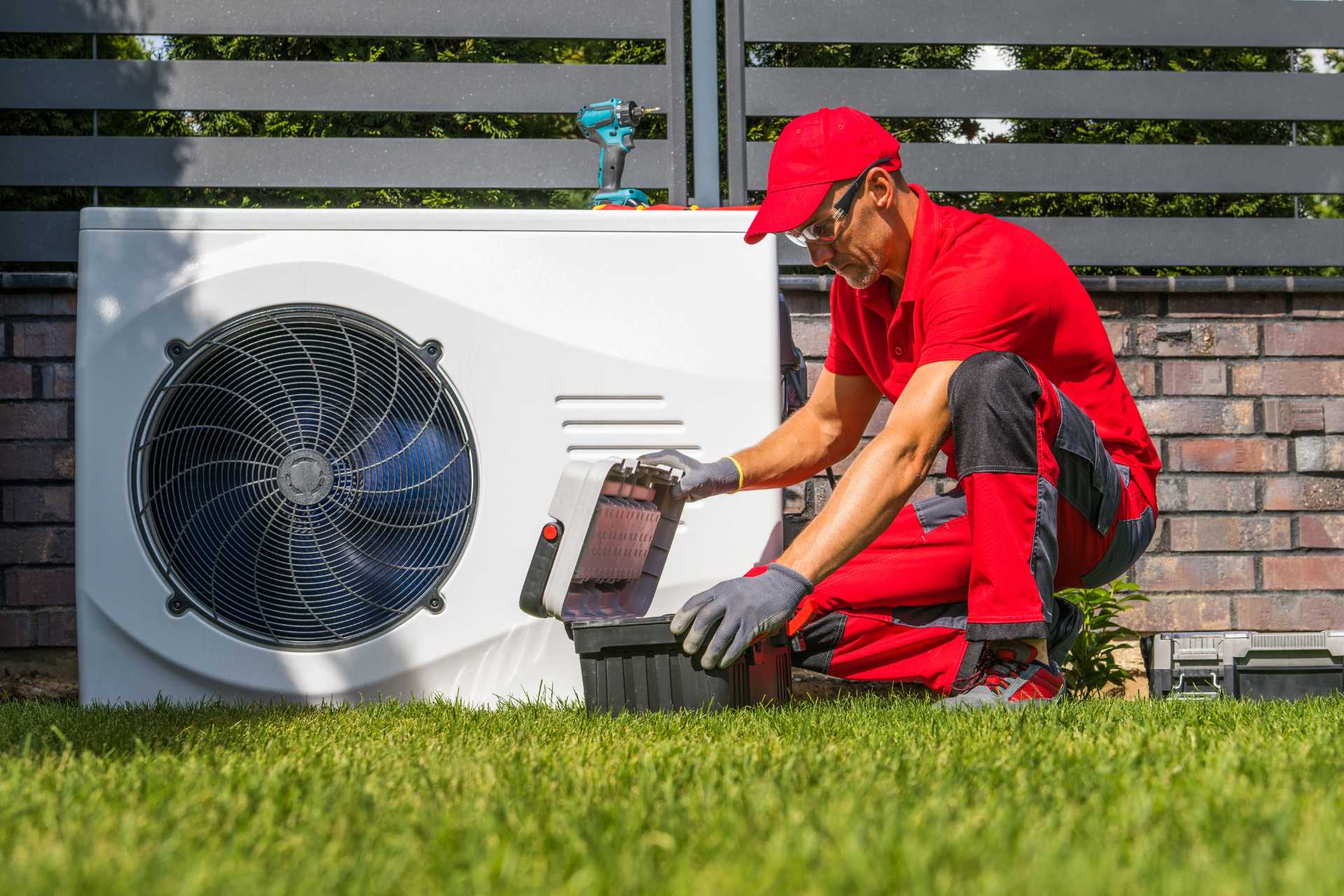
Proper coordination also allows for optimal equipment placement and superior drainage solutions. When planning both projects together, the homeowner and HVAC contractor can determine the best location for the new outdoor unit. This happens before the driveway’s final grade and layout are set. This ensures the unit is placed on a proper, level concrete pad. The location will be efficient, unobtrusive, and meet all required clearances. A coordinated plan also allows for the proper routing of the HVAC condensate drain. It can be connected to a new drainage system being installed with the driveway. This prevents the common problem of condensate discharge. That discharge can create a permanent wet spot or, in a Canadian winter, a dangerous, slippery ice patch on the new pavement.
The Perfect Sequence: A Step-by-Step Project Plan
The golden rule for these coordinated projects is simple: HVAC underground work first, paving second. The process should begin with a thorough assessment phase. A homeowner should evaluate the age and condition of both their HVAC system and their driveway. If a 20-year-old air conditioner is sitting next to a cracked and crumbling driveway, it is the perfect opportunity to coordinate their replacement.Coordinating driveway work with seasonal HVAC servicing creates the ideal opportunity to get your system summer-ready, ensuring it runs at peak performance when the hottest months arrive.
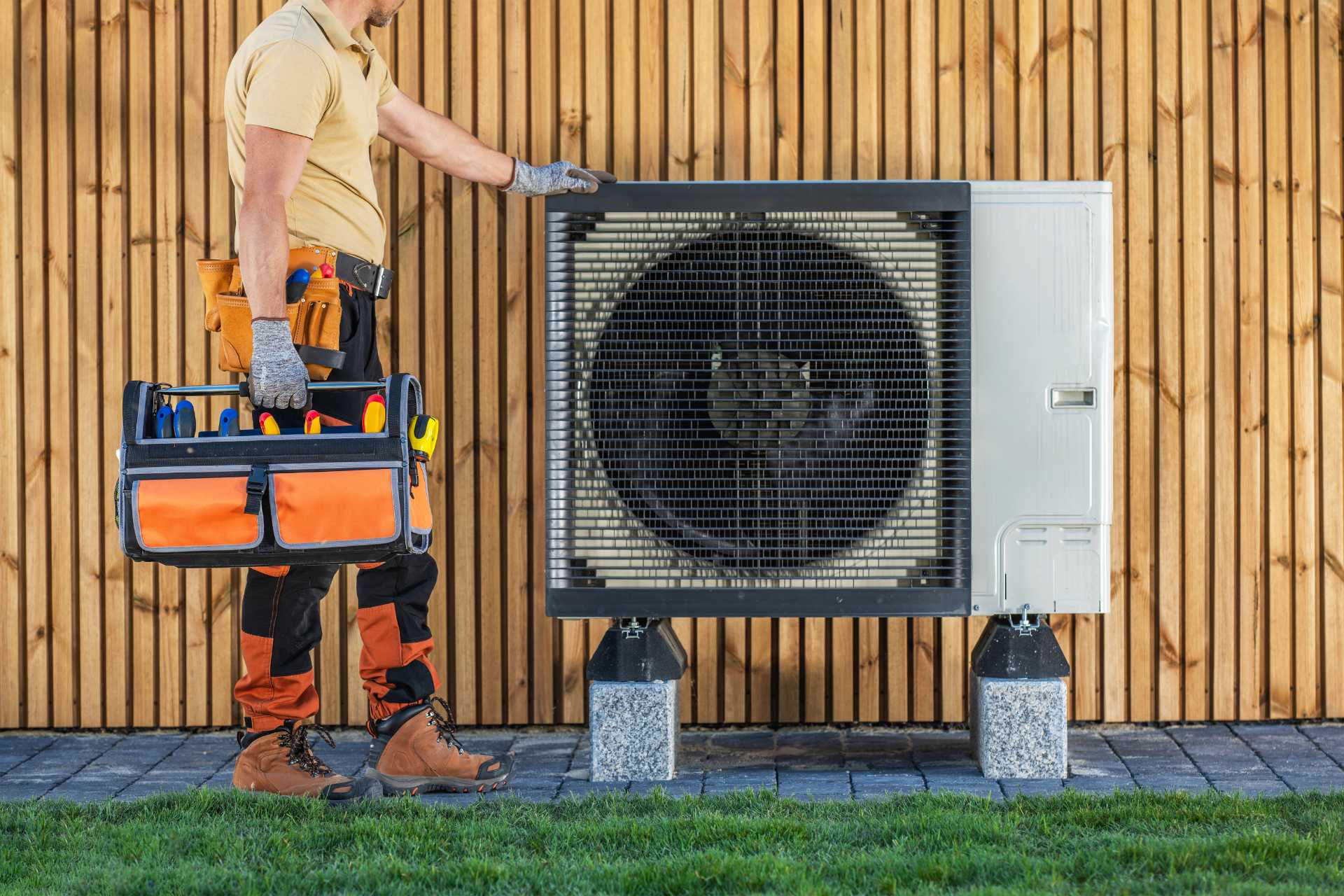
Once the decision is made to proceed, the order of operations is critical. The first consultation should be with the HVAC contractor to determine the needs for the new system: the exact placement of the outdoor unit and the required path for the new lines. This plan is then given to the paving contractor, who incorporates the trenching and equipment pad location into their site preparation plan. The HVAC contractor then performs all the underground “rough-in” work. After this is complete, the paving contractor prepares the base and paves the new driveway, seamlessly covering the new lines. Finally, the HVAC contractor returns to place the new unit on its pad and make the final connections.
Future-Proofing Your Property
Planning these two projects together offers a unique opportunity to “future-proof” the property and avoid ever having to cut the driveway again. While the ground is open for the HVAC trench, it is the perfect time to install a spare, empty conduit—a simple, inexpensive PVC pipe—running from the side of the house to the edge of the driveway or another strategic location. This empty “sleeve” provides a ready-made, protected channel for any future underground wiring needs.
This small, proactive step can save immense headaches down the road. If, in the future, the homeowner decides to install landscape lighting, an electric vehicle charger in the garage, a powered gate, or a security camera, they have a pre-existing channel to run the wires through. This avoids the need for costly directional drilling or, once again, cutting into the pristine driveway surface. It is a simple, low-cost addition that adds significant long-term value and convenience. If you’re planning HVAC improvements during driveway work, consider upgrades that can slash your energy bills, such as installing high-efficiency units or smart thermostats, to maximize both comfort and long-term savings.
Pave the Way for Perfect Comfort
Coordinating major exterior projects is not a matter of convenience. It is a matter of smart, strategic planning. This planning saves money, time, and frustration. Homeowners can prevent the destructive and costly process of cutting through a brand-new surface. This is done by addressing the underground needs of an HVAC system before paving a new driveway. This integrated approach ensures optimal system placement. It allows for superior drainage solutions and provides an opportunity to future-proof the property. Before the paving trucks arrive, a single phone call to an HVAC contractor is a crucial step. This simple act of foresight will protect the beauty of the investment. It also ensures a smooth, efficient, and cost-effective renovation.