Is Your Heating System Failing? Key Signs That Signal It’s Time for a Furnace Replacement
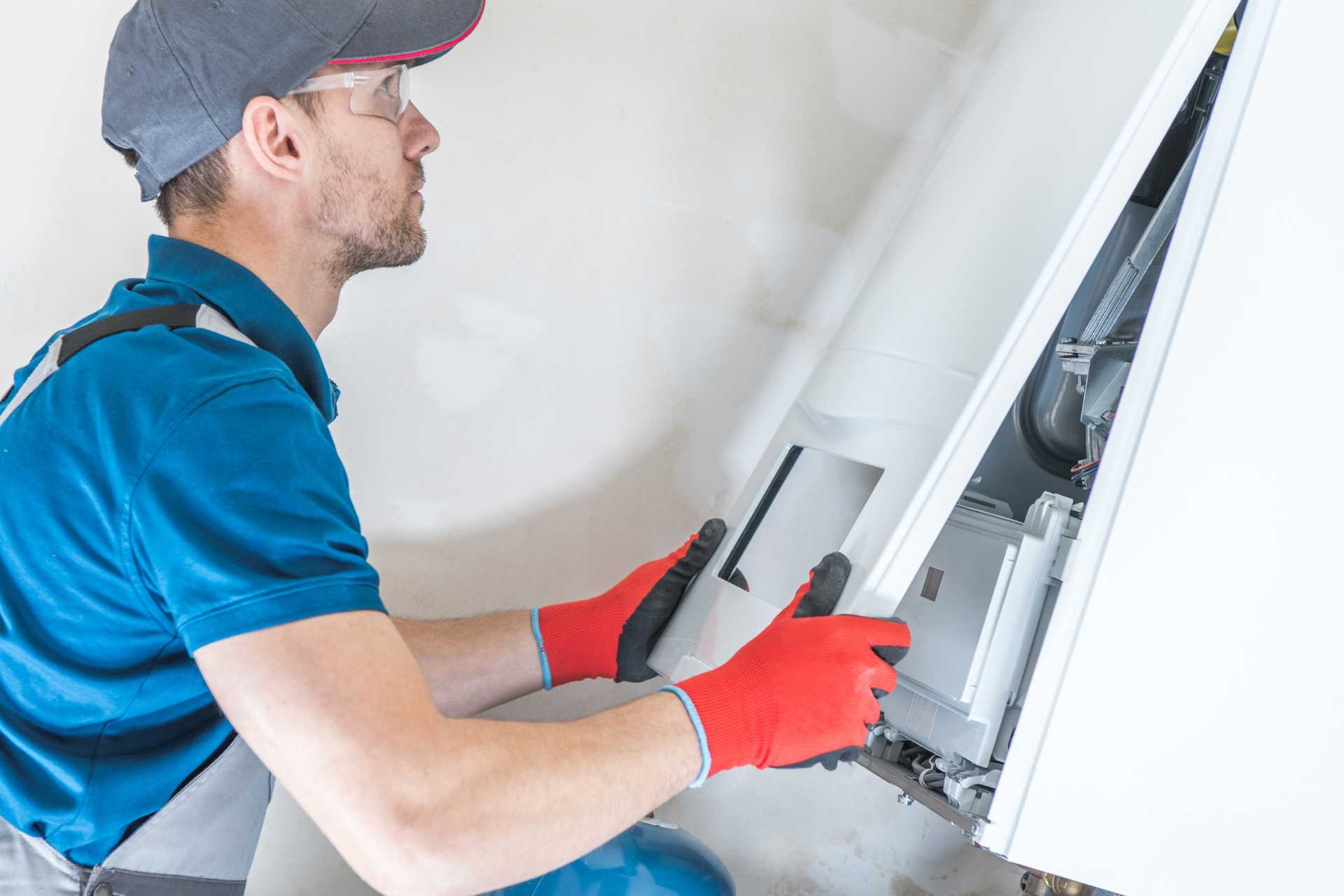
Dealing with an aging, unpredictable heating system places property owners in a frustrating operational position. For the first few years of operation, a standard furnace runs quietly in the background, requiring nothing more than basic maintenance. However, as the equipment crosses its first decade of heavy use, the natural wear of enduring harsh Canadian winters begins to take a heavy toll. There comes a definitive point where minor component failures stop being isolated incidents and instead signal a broader, systemic decline. Continuing to apply temporary patch-ups to a fundamentally worn-out system stops making mechanical sense. Relying on an outdated unit leaves your household highly vulnerable to a sudden breakdown, forcing you into an expensive and unexpected emergency furnace repair, or even a replacement, when you least expect it.
Moving past temporary quick fixes to explore the long-term benefits of total system modernization is a strategic financial decision. Forcing an old, failing unit to struggle through another freezing winter only delays the inevitable while driving up your operational risks. Property owners often re-evaluate their mechanical systems during broader home renovations, such as waterproofing projects or a major basement underpinning that fundamentally updates the foundation of the home. Recognizing the definitive signs of terminal equipment wear allows you to plan your building upgrades on your own terms. Taking a proactive approach to your home utility infrastructure ensures you avoid the panic, premium emergency fees, and limited inventory choices that come with an immediate mid-winter equipment failure.
The Quick Edit: Repair vs. Replacement Diagnostic Matrix
Proactive property management relies on identifying when a system has crossed the threshold from a simple fix to a complete financial liability. When internal components degrade, they alter the operating safety and efficiency of the entire heating network. To help you evaluate whether your current setup is worth saving, use this quick-reference diagnostic matrix to weigh common performance symptoms against their long-term structural impacts:
|
System Condition
|
Repairable Indicator
|
Replacement Mandatory Indicator
|
Long-Term Operational Outcome
|
|
Combustion Flame Quality
|
Flickering blue flame caused by dusty burner ports that need a quick cleaning.
|
Persistent, lazy yellow flame indicating a cracked heat exchanger core.
|
High risk of dangerous carbon monoxide leakage into the living space.
|
|
System Cycle Frequency
|
Short shut-offs caused by a choked, dirty air filter restricting airflow.
|
Constant, erratic cycling due to an oversized unit or failing internal electronics.
|
Accelerated component wear that triggers expensive emergency repairs during winter.
|
|
Monthly Utility Costs
|
Minor, expected seasonal increases during periods of record-breaking outdoor cold.
|
A steady, multi-year spike in fuel and power usage for the exact same indoor temperature.
|
Paying significantly more money every month for a home that never feels warm enough.
|
|
Equipment Sound Profile
|
Soft, rhythmic vibration from a loose blower fan mounting bolt that needs tightening.
|
Loud, metallic screeching, grinding, or banging sounds from a failing internal motor.
|
Total mechanical seizure of the blower network during peak heating demand.
|
Evaluating these indicators allows you to catch minor performance issues before they spiral into a complete utility failure. Paying close attention to how your unit handles temperature transitions provides an excellent shoulder season stress test for your furnace, giving you the exact diagnostic data needed to make an informed investment decision before the deep freeze sets in.
Chronic Short-Cycling and Thermal Overheating
Safe and efficient climate control relies on sustained heating cycles that evenly distribute warmth throughout the property. When an aging furnace starts turning on and off every few minutes, it indicates a severe heat management failure within the system. This frustrating phenomenon, known as furnace short-cycling, places immense mechanical stress on the entire ignition sequence. Instead of running for a healthy, continuous block of time to gently raise the indoor temperature, the unit fires up, rapidly overheats, and abruptly shuts down before completing its cycle.
This rapid on-off loop is almost always triggered by an internal safety limit switch responding to a chronically overheating core. When airflow is restricted—either by an internal blockage, failing blower components, or poorly designed, bad ductwork that chokes the return air lines—heat rapidly builds up inside the metal cabinet. Over time, this constant cycle of intense thermal shock warps the internal housing and creates micro-fractures along the heat exchanger walls. Once a system reaches this advanced stage of thermal fatigue, temporary fixes are no longer viable, signalling that the structural integrity of the furnace is fundamentally compromised.
Visible Flame Discoloration and Burner Corrosion
Under normal operating conditions, a healthy natural gas or propane burner must produce a crisp, steady, and bright blue flame. This distinct blue colour indicates complete combustion, proving that the system is blending fuel and oxygen in the perfect chemical ratio. When combustion is pure, the furnace converts fuel into clean heat with maximum efficiency, venting the harmless chemical byproducts safely out through the exhaust flue. A steady blue flame is the most reliable visual confirmation that your burners are operating precisely within their safe engineering parameters.
If the burner flames appear lazy, flickering, or distinctly yellow, your system is suffering from incomplete combustion. This dangerous shift is usually caused by heavily corroded burner ports blocking oxygen flow or a cracked heat exchanger pulling erratic air currents into the combustion chamber. A yellow flame means the fuel is not burning completely, a chemical failure that produces a high concentration of carbon monoxide gas. Because carbon monoxide is completely odourless and toxic, a yellow burner flame is a major safety hazard that requires you to immediately shut down the unit and invest in a full system replacement.
Skyrocketing Energy Utility Bills and Degrading Efficiency
Mechanical systems inevitably lose their operational efficiency as they age and internal parts experience natural wear and tear. Over a decade or more of constant winter service, the internal heat exchangers become coated in fine layers of carbon scale, burners experience microscopic corrosion, and blower motors lose their smooth rotation. Because of this structural degradation, the old unit must draw significantly more fuel and electricity just to produce the same amount of ambient heat it did years ago. This efficiency slump forces the furnace to run for much longer durations, consuming excessive energy without ever reaching your thermostat’s target temperature.
Property owners often notice this degradation through a steady, unexplained spike in their monthly heating bills. Paying increasingly higher fuel costs for a home that never quite feels warm enough is a clear sign that the internal mechanics are failing beyond the help of a routine tune-up. Attempting to nurse an inefficient, aging furnace through another Canadian winter is a clear financial drain. Replacing the old equipment with a high-efficiency model stops this compounding monthly financial loss, dropping your energy consumption instantly and ensuring every dollar spent on utilities actually goes toward warming your living space.
The Frequency and Compounding Cost of Repairs
A reliable furnace should not require frequent service calls or replacement parts to survive a standard heating season. You might find yourself calling a technician multiple times a year for faulty igniters, broken switches, or failing valves. If so, you are dealing with a compounding systemic failure. As a heating unit nears the end of its operational life, individual components begin to fail in quick succession. Spending money on repetitive service calls simply masks a deeper problem. This cycle drains your maintenance budget without improving the overall reliability of the system.
Industry professionals suggest applying a simple financial rule. If the cost of a single repair exceeds half the value of a new unit, investing in old equipment is a poor financial choice. Continuously patching up a terminal system sinks valuable capital into a depreciating asset. That machine remains highly vulnerable to another sudden breakdown. Transitioning that money toward a modern heating system eliminates the cycle of breakdown expenses. This proactive investment gives you a brand-new factory warranty and long-term operational reliability. Ultimately, it provides total peace of mind during the coldest months of the year.
Investing in Long-Term Comfort and Safety
Recognizing the undeniable warning signs of a failing heating system empowers property owners to make smart, proactive infrastructure decisions. Forcing an outdated furnace to struggle through another harsh winter is a stressful gamble. This choice risks both your household’s safety and your financial budget. Your system might give out clear mechanical warnings like severe short-cycling. It could also show visual red flags like a hazardous yellow flame. Either way, these symptoms prove that the unit has reached the end of its useful life.
Transitioning to a modern, high-efficiency heating system eliminates safety liabilities and stops escalating utility costs. This upgrade also provides total peace of mind through the coldest seasons. Investing in a timely replacement before a complete breakdown occurs allows you to choose the perfect system for your space. You can make this choice without the pressure of an active winter emergency. Taking control of your home’s utility infrastructure today secures your long-term comfort and protects your property value. Most importantly, it guarantees a warm, safe environment for years to come.