The 30% Waste: Why Your New Furnace Can’t Fix Bad Ductwork
In the aggressive energy climate of 2026, homeowners are making record-breaking investments in high-efficiency hardware. They hire a top-tier roofing company to seal the building envelope and invest in 98% AFUE (Annual Fuel Utilization Efficiency) modulating furnaces to combat rising carbon levies. However, a frustrating paradox often emerges: despite the “Ferrari” of furnaces sitting in the basement, utility bills remain stubbornly high, and second-floor bedrooms remain freezing. The culprit is rarely the furnace itself, but rather the “clogged arteries” of the home. If your ductwork is unsealed, undersized, or poorly insulated, you are likely losing 30% of your heated air before it ever reaches a floor register. In this scenario, even the most advanced furnace repair or replacement is merely a bandage on a systemic circulatory failure.
The High-Efficiency Paradox: The Sticker Price Trap
The most common misconception in modern HVAC is that a high-efficiency furnace magically lowers bills on its own. A furnace is the “heart” of the home, responsible for generating heat. But the ductwork is the “circulatory system” responsible for delivering that heat. If you connect a high-efficiency heart to leaking, narrow, or disconnected arteries, the heart must pump twice as hard to achieve the same result.
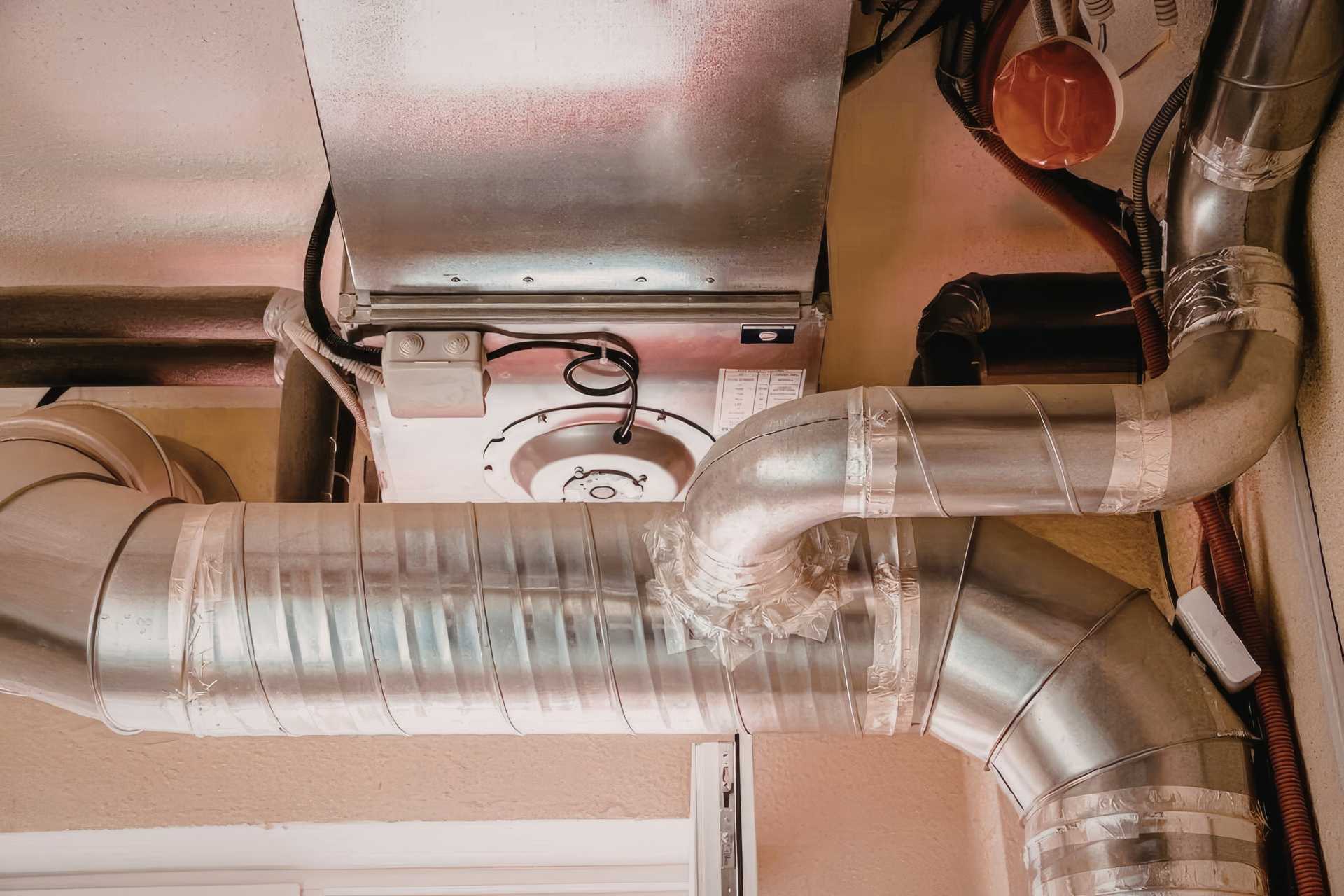
Many homeowners find that their heating bills spike in winter even if thermostat settings were not touched. This is the hallmark of a delivery failure. When air leaks out of duct joints in the attic or crawlspace, the furnace must run longer cycles to satisfy the thermostat in the living room. You are effectively paying to heat the “dead spaces” of your home—the wall cavities, the basement ceiling, and the underside of your roof—while your family shivers in the living areas. This 30% waste is a silent tax on your household budget that no furnace “mode” can override.
Static Pressure: The Silent Killer of Modern Blowers
The 2026 generation of furnaces utilizes ECM (Electronically Commutated Motors) that are far more sophisticated than the “on/off” motors of the past. These motors are designed to adjust their speed to maintain constant airflow. While this sounds ideal, it creates a “death spiral” when paired with bad ductwork.
If your ducts are too small for the volume of air the furnace needs to move, the motor encounters “static pressure”—the mechanical equivalent of high blood pressure. The motor will rev higher and consume significantly more electricity to “force” the air through the restriction. This is why certain furnace noises can signal impending repairs. If you hear a high-pitched whistling, a “thumping” in the walls, or a strained humming from the blower cabinet, your furnace is likely “wheezing” through an undersized delivery system. This constant strain is the leading cause of premature motor burnout, turning a potential 20-year asset into a 10-year liability.
The “Cold Room” Mystery: Why Velocity Fails the Distance Test
We have all experienced the “problem room”—the bedroom at the end of the hallway that is always four degrees colder than the rest of the house. Homeowners often assume they need a more powerful furnace to “push” the air further. However, choosing the right furnace size is only half the battle. If the ductwork leading to that room has multiple 90-degree elbows, unsealed seams, or runs through an uninsulated cold zone, the air loses both its velocity and its temperature.
By the time the air reaches the furthest register, it has lost its “throw.” Without enough velocity, the warm air simply floats to the ceiling of the room rather than mixing with the cold air at the floor level. No matter how high you turn up a 90,000 BTU furnace, it cannot fix a physical obstruction or a thermal leak in the basement ceiling. This is why a holistic approach to HVAC—one that treats the furnace and the ducts as a single machine—is the only way to achieve true 2026 comfort levels.
The “Return Side” Danger: Sucking in the Bad Air
While most people focus on the “supply” ducts (the ones that blow air out), the “return” ducts are often the site of the most expensive leaks. The return side operates under negative pressure, acting like a giant vacuum. If there are leaks in the return trunk located in a dusty attic or a damp crawlspace, the furnace will literally suck in fibreglass insulation fibres, mould spores, and freezing outside air.
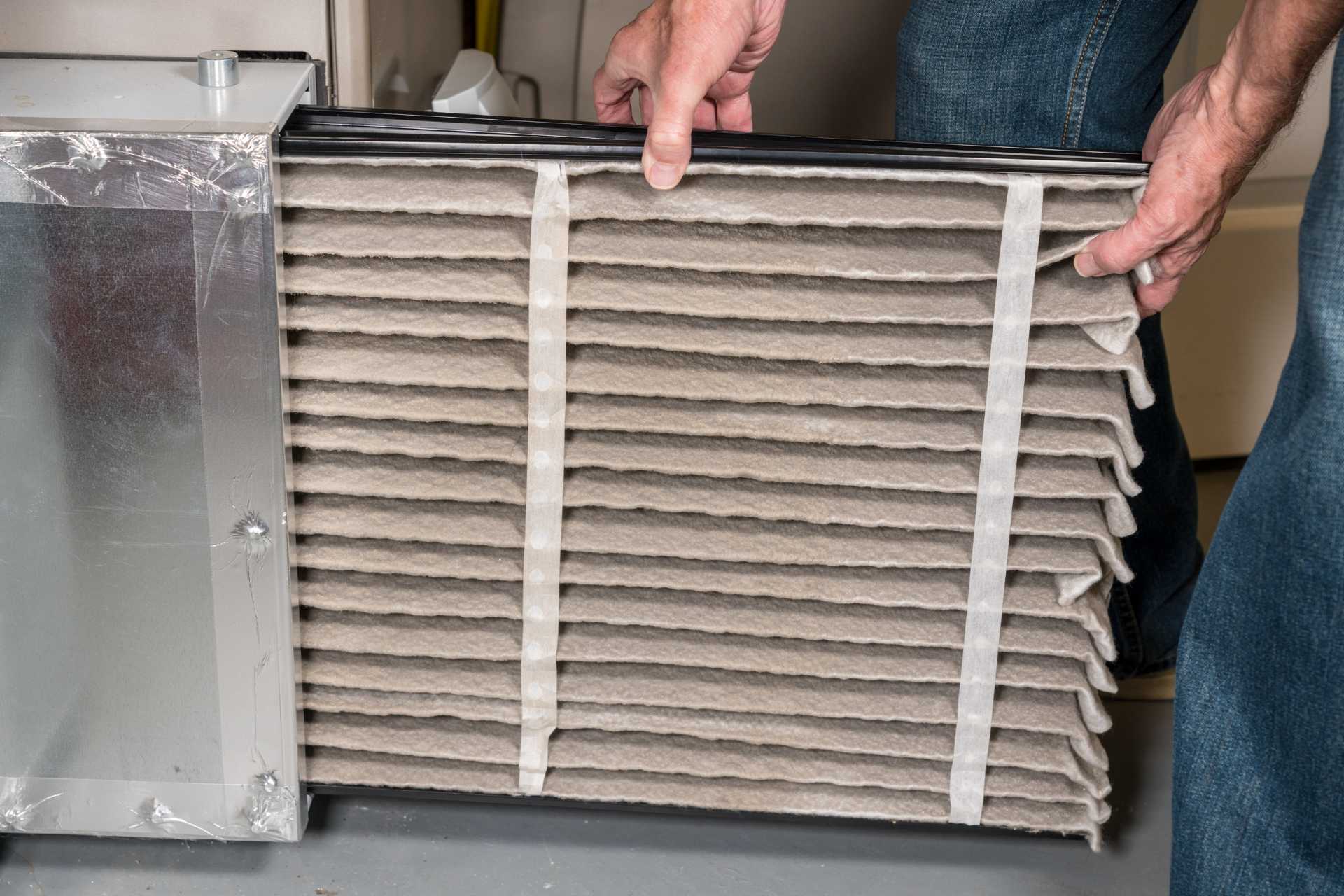
This does more than just ruin your indoor air quality; it destroys the efficiency of the heat exchanger. The furnace now has to work twice as hard to heat “outside” air that was never supposed to be in the system. This “bypass air” also bypasses the filtration system—especially when clogged and dirty filters create enough backpressure to force air through unsealed gaps—coating the internal components of your expensive new furnace in a layer of grime. This grime acts as an insulator on the heating elements, further driving up the energy required to reach your target temperature.
2026 Solutions: Sealing the Arteries for Good
The good news is that ductwork technology has kept pace with furnace advancements. In 2026, we no longer rely on traditional “duct tape,” which ironically dries out and falls off within years. Professional technicians now use aerosolized sealing technology that travels through the ducts and plugs leaks from the inside out. This ensures that even the gaps hidden behind finished drywall are sealed.
Additionally, wrapping exposed ducts in high-R-value insulation can prevent “thermal bleed.” If your furnace is in a cold basement, the metal ducts act like a giant radiator, shedding heat into the concrete before it reaches your feet. Sealing and insulating these lines can provide a 10% to 15% reduction in energy waste immediately. It is the single highest-ROI “repair” a homeowner can make, often paying for itself in lower utility bills within two winter seasons.
A Heart is Only as Good as Its Arteries
Installing a high-efficiency furnace into a home with bad ductwork is like putting a world-class engine into a car with four flat tires. You might have the power, but you won’t have the performance. In the 2026 economy, “waste” is the enemy of equity.
Before you assume your furnace is failing or that you need a larger unit, look at the delivery system. By sealing the leaks, insulating the runs, and ensuring the “arteries” of your home are clear, you secure your investment and finally achieve the comfort you paid for. Don’t pay for 98% efficiency only to let 30% of it vanish into your walls. True home health is a total system commitment.