Why Heating Bills Spike in Winter Even When Your Thermostat Settings Don’t Change

Consistency at the thermostat should lead to predictable utility costs, yet many homeowners face doubled or tripled invoices during the mid-winter deep freeze. This discrepancy often triggers frustration and immediate calls for furnace repair to investigate mechanical failures, but the issue rarely stems from a broken heater alone. Instead, rising heating bills result from the complex interaction between the building envelope and the harsh environment. These surging costs can significantly impact long-term property affordability, a detail that frequently surfaces in property value discussions with a real estate lawyer during estate planning or home sales. The spike occurs because a house is a dynamic system. When winter settles in, the home must work exponentially harder to maintain a static temperature against external stress. Factors like air leakage, thermal bridging, and shifting mechanical efficiency drive this cost surge, requiring a strategic approach to building performance rather than just thermostat management.
- The Delta-T Principle: Why Outdoor Cold Dictates Indoor Work
- The Hidden Leaks: Air Infiltration and Insulation Gaps
- Mechanical Efficiency and Ductwork Loss
- How Windows and Doors Impact Performance
- Humidity and the Perceived Comfort Factor
- Taking Control of the Envelope
- Breaking the Ice on Your Utility Bill
The Delta-T Principle: Why Outdoor Cold Dictates Indoor Work
The primary driver of winter energy consumption is a concept known as the Delta-T principle. This refers to the temperature differential between the indoor living space and the outdoor environment. Physics dictates that heat always moves toward cold. The larger the gap between these two temperatures, the faster heat escapes through walls, ceilings, and floors. On a mild autumn day at 5 degrees Celsius, the rate of loss is relatively manageable. However, when a cold snap brings temperatures down to minus 25 degrees Celsius, the suction pulling heat out of the home increases dramatically.
To maintain a steady indoor temperature of 20 degrees Celsius, the heating system must replace the energy that is escaping at an accelerated rate. Even if the thermostat setting remains untouched, the furnace must run for longer durations and cycle more frequently to compensate for this rapid loss. This increased runtime is the direct cause of higher heating bills. It is a common misconception that a static dial results in static energy use. In reality, the furnace is constantly at odds with the exterior environment. As the outdoor temperature drops, the system must work harder just to stand still.
The Hidden Leaks: Air Infiltration and Insulation Gaps
Air infiltration acts as a silent drain on a home’s thermal reserves. Many homes suffer from the stack effect, where warm air rises and escapes through the attic. This creates a vacuum in the lower levels of the house, which pulls cold air in through basement cracks, electrical outlets, and window seals. This constant exchange means the heating system is essentially trying to warm the outdoors. Small gaps around plumbing stacks or light fixtures might seem insignificant, but collectively, they can equal the area of a large open window left ajar all winter.
Thermal bridging further exacerbates the problem by bypassing even the highest quality insulation. This occurs when heat travels through solid structural materials, such as wooden studs or metal joists, rather than the insulated cavities between them. In older homes, insulation may have settled or degraded, leaving significant cold spots that allow heat to escape unchecked. These failures in the building envelope force the furnace to work overtime. Addressing these invisible vulnerabilities through targeted home upgrades that could lower your energy bills is often more effective than simply adjusting the temperature.
Mechanical Efficiency and Ductwork Loss
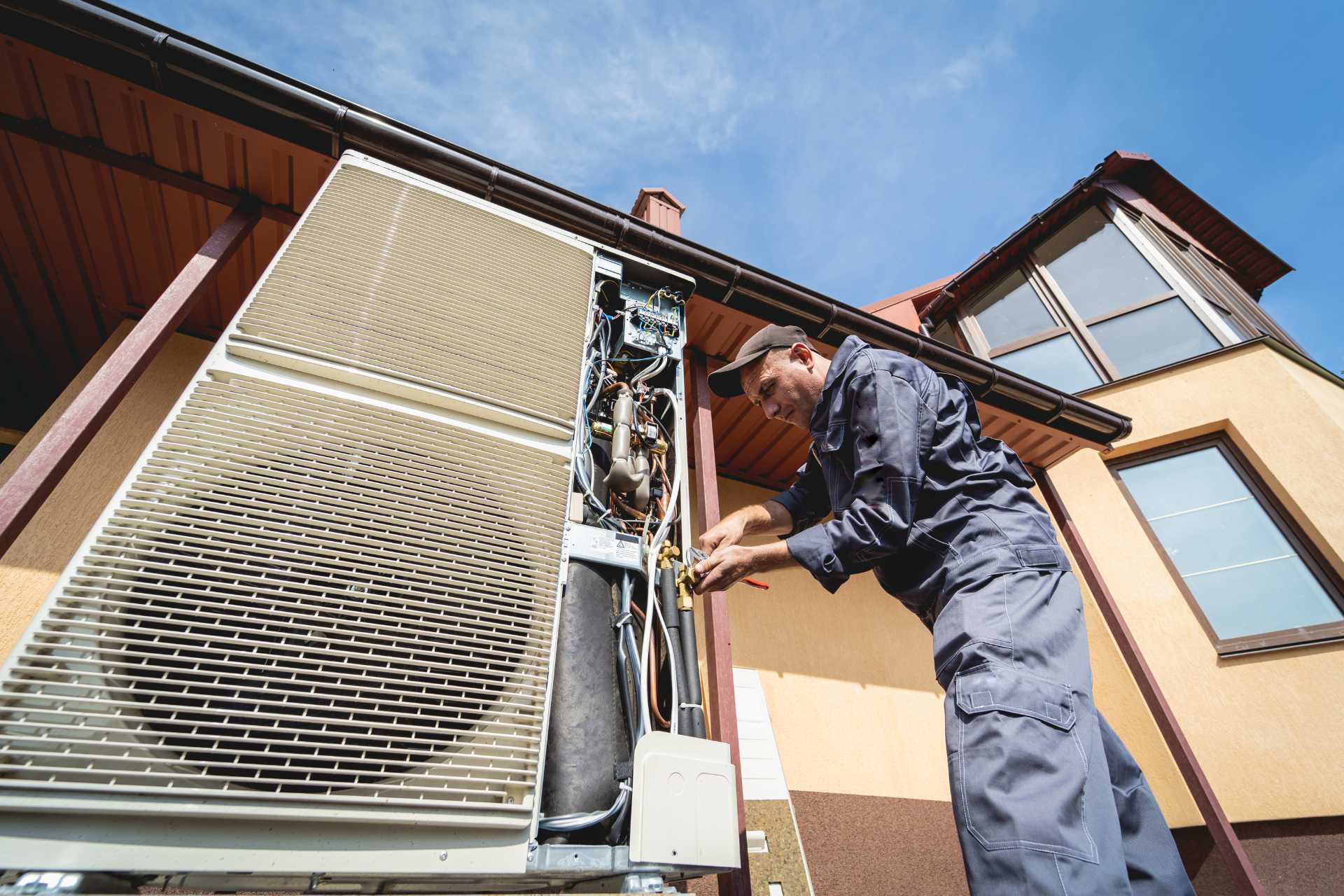
The efficiency of a heating system is not a fixed metric. It fluctuates based on return air temperatures and the integrity of the distribution network. When a furnace draws in much colder air during a deep freeze, it must expend more energy to reach the target discharge temperature. Furthermore, the delivery system itself, the ductwork, is often a major source of energy waste. If ducts run through unconditioned spaces like a crawl space or a ventilated attic, they lose heat before the air ever reaches the vents. This means the furnace produces significantly more heat than the living space actually receives.
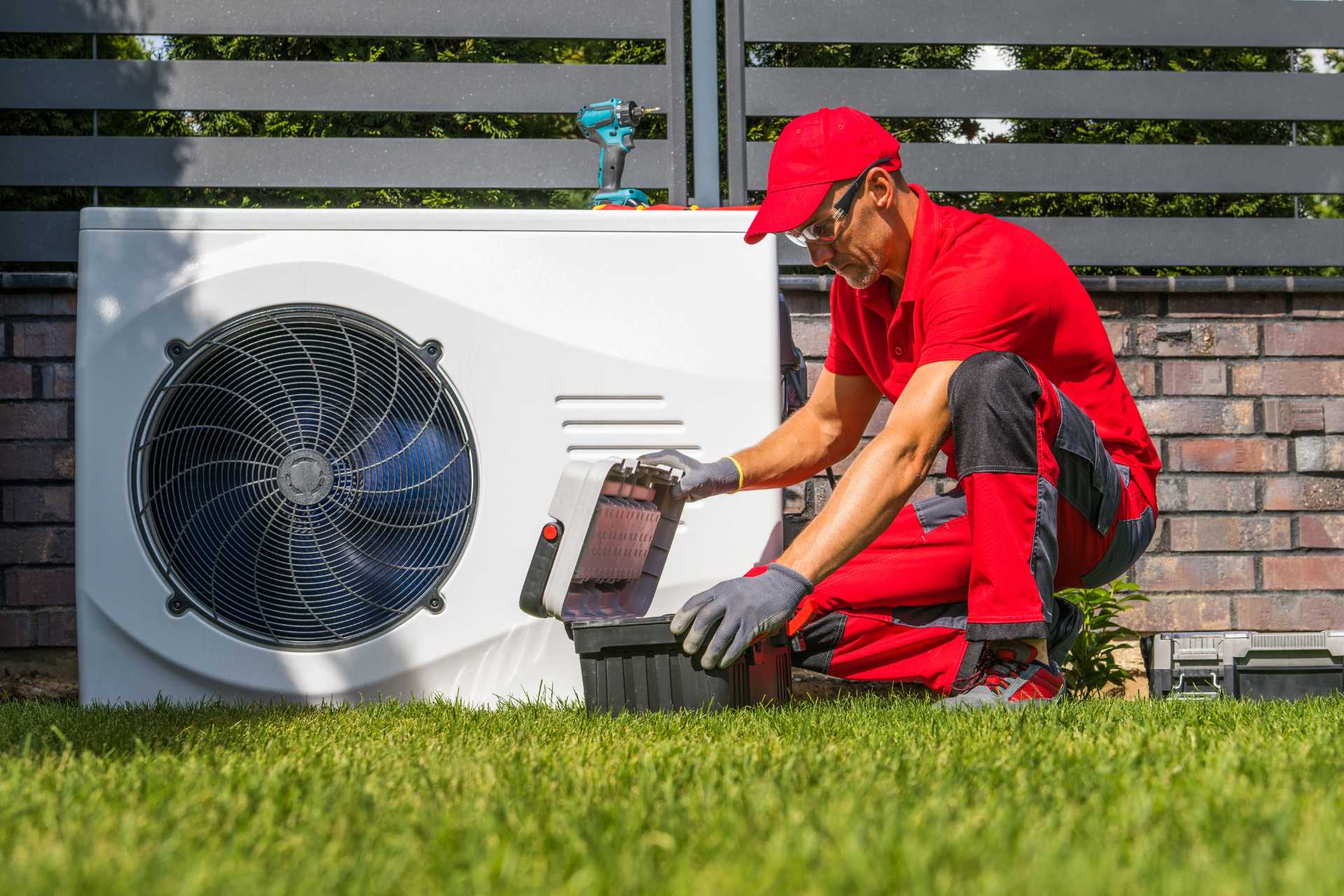
Regular maintenance is vital because even minor neglect can cause heating bills to spike. A clogged air filter restricts airflow and forces the blower motor to work much harder to move air through the house. This increases the electrical load of the system alongside the primary fuel consumption. Furthermore, proper roof ventilation and heat retention strategies ensure that the attic remains at a stable, cold temperature without allowing heat to leak from the rooms below. Keeping the mechanical system and its distribution network in top shape is essential for maintaining cost efficiency in a cold climate.
How Windows and Doors Impact Performance
It is a well-documented fact that windows and doors affect your HVAC system’s performance more than almost any other component in the building envelope. These areas represent the thinnest barrier between the family and the elements. Over time, weatherstripping becomes brittle and seals fail, allowing cold drafts to penetrate the interior. Even double-pane windows can become a source of heat loss if the inert gas fill has leaked out or if the frames lack proper thermal breaks. The glass surface itself becomes a cooling fin that pulls heat out of the air.
When cold air enters through a door or window, it sinks to the floor, creating a cold layer that the thermostat eventually detects. This triggers a heating cycle even if the rest of the room feels relatively comfortable. This localized cooling is a primary reason why heating bills can seem disconnected from the actual comfort levels in the home. Upgrading to energy-efficient units or even simply resealing existing frames can create a much more stable thermal barrier. This reduces the frequency of furnace cycles and leads to immediate savings on monthly utility costs.
Humidity and the Perceived Comfort Factor
Winter air is naturally dry, which significantly affects how the human body perceives temperature. Dry air accelerates the evaporation of moisture from the skin, which creates a cooling effect. This means a room at 21 degrees Celsius with low humidity often feels much colder than the same room at 40 percent humidity. Homeowners often respond to this perceived cold by bumping up the thermostat. However, even those who stay disciplined find that the furnace runs longer to achieve a sense of pervasive warmth. The system is fighting both the cold and the lack of moisture.
Furthermore, if a home utilizes a whole-house humidifier, that device requires energy and water to operate. While it improves comfort, it adds to the overall utility load of the household. The goal should be to find a balance where the home retains enough moisture to feel comfortable at lower temperatures. Effectively managing indoor humidity allows for a slightly lower thermostat setting without a loss of comfort. This strategy, combined with sealing air leaks, is one of the most effective ways to decouple household comfort from the volatile swings of the winter season.
Taking Control of the Envelope
The primary takeaway for homeowners is that building performance dictates energy costs far more than the thermostat does. Rising heating bills are a signal from the home that heat is escaping faster than it should. By viewing these bills as a diagnostic tool, one can identify where the building envelope is failing. Focusing on long-term solutions like insulation, air sealing, and high-performance windows creates a more resilient home. This proactive approach ensures that comfort remains high while operating expenses remain manageable, regardless of how low the mercury drops.
Ultimately, energy efficiency is an investment in the home’s value and the owner’s peace of mind. Taking the time to audit the attic, check the ductwork, and seal the windows pays dividends every winter. These steps prevent the heating system from working overtime and extend its operational lifespan. By understanding the science of heat loss, homeowners can stop fighting the weather and start enjoying a more efficient, cozy living environment. True energy savings are found in the walls and windows, not just in the settings on the wall.
Breaking the Ice on Your Utility Bill
Rising winter costs are a sign your home is losing the battle against heat loss. Even with a steady thermostat, factors like air leaks and poor insulation force your furnace to work harder. By focusing on building performance and sealing the envelope, you can stabilize your heating bills and ensure your comfort doesn’t vanish with the next cold front. Invest in your home’s efficiency today to keep your hard-earned money from escaping through the cracks tomorrow.