The Filter Factor: How a $20 Part Can Cost You $200 in the 2026 Energy Crisis
As utility rates reach historic peaks in 2026, homeowners find themselves increasingly desperate for “big-picture” efficiency upgrades. Many invest in a high-end roofing project to improve thermal insulation or commit to expensive window replacements to stop drafts. However, they frequently ignore the most impactful $20 component within their home. In the same way that external maintenance protects a property’s foundation, the humble furnace filter serves as the primary gatekeeper for the home’s interior economy. A clogged filter is not merely an air quality issue; it is a mechanical chokehold that forces your heating system to “burn” cash. When air cannot pass freely through the return vents, the entire HVAC system enters a state of high-stress operation. This unnecessary friction inflates monthly bills and frequently triggers the need for a premature, emergency furnace repair.
The Physics of the “Choke Point”: Amperage vs. Obstruction
To understand why a dirty filter is so expensive, one must understand the relationship between airflow and electricity. Modern 2026 furnaces utilize high-efficiency ECM (Electronically Commutated Motors). These “smart” motors are programmed to maintain a constant volume of airflow, regardless of the resistance they encounter. While this ensures consistent comfort, it creates a hidden financial drain when maintenance is neglected.
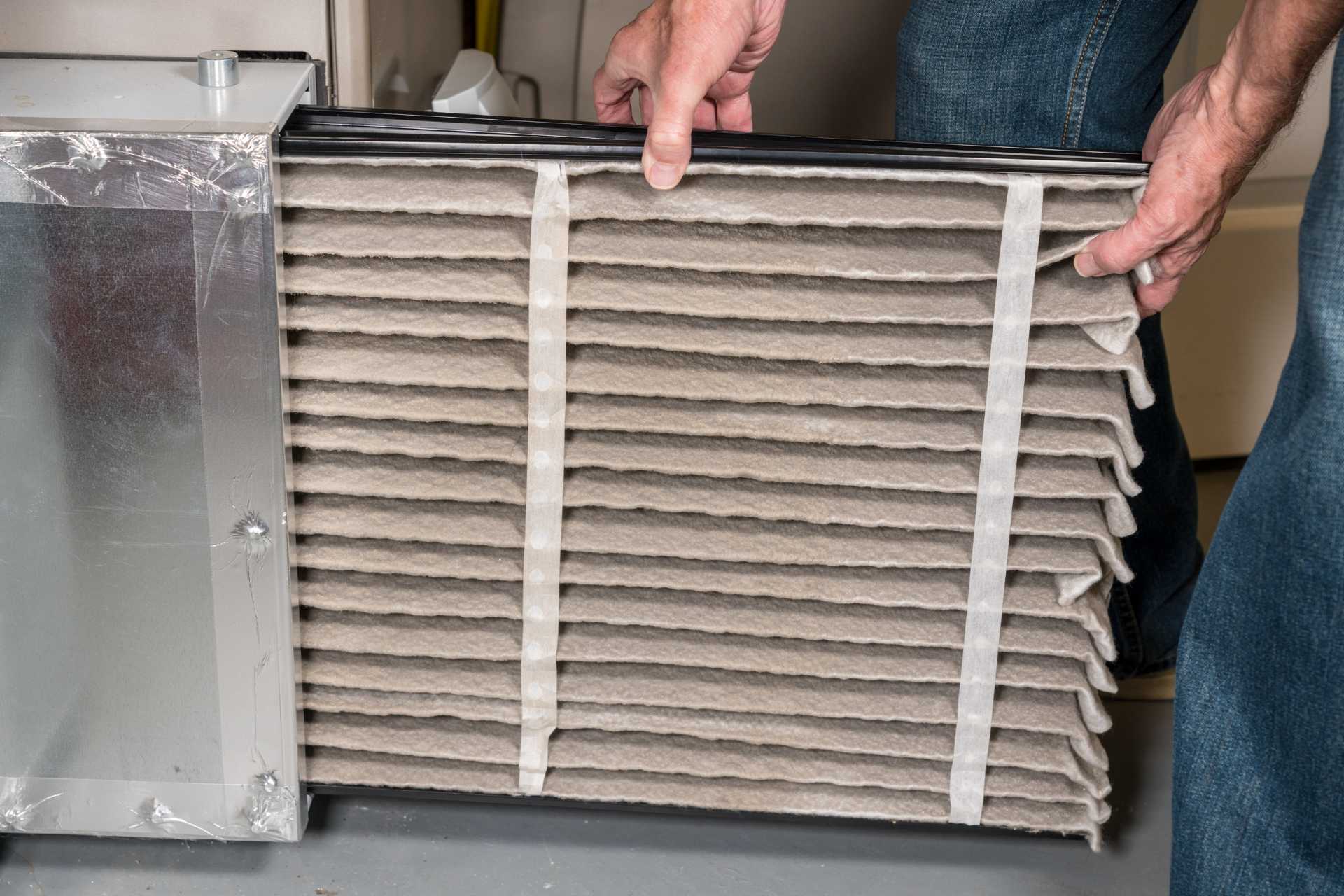
When a filter becomes clogged with dust, pet dander, or microscopic debris, it creates “static pressure.” To overcome this resistance and pull the required amount of air, the blower motor must draw significantly more amperage—the unit of measure for electrical current. This isn’t a marginal increase; furnace strain caused by dirty filters can raise your energy bills by as much as 15% to 20%. In this scenario, the motor is essentially running a marathon through a straw. You are paying a premium for electricity that does nothing to heat your home; it is simply wasted on the mechanical struggle to breathe. In a high-cost energy market, this inefficiency can easily translate to $200 of wasted capital over a single Canadian winter season.
The “Short-Cycling” Money Pit: A Thermal Crisis
A restricted filter does more than just drain electricity; it creates a thermal crisis inside the furnace cabinet. A furnace requires a specific, high-volume flow of cool “return air” to pass over the heat exchanger to keep internal temperatures stable. When this flow is restricted, the heat exchanger cannot shed its heat fast enough, leading to a phenomenon known as furnace short cycling.
Without sufficient airflow, the heat exchanger quickly reaches a dangerous temperature threshold. This triggers the “high-limit switch,” a safety feature that shuts the burner down immediately to prevent a fire or a cracked heat exchanger. Once the system cools down, it attempts to restart. This constant “on-off” cycle is the most expensive way to operate an HVAC system. Every startup requires a massive surge of energy to engage the igniter and the inducer motor. Furthermore, this thermal stress is the primary cause of mechanical fatigue. By forcing the system to restart dozens of times a day, the homeowner inadvertently accelerates the wear on sensitive control boards and igniters, turning a $20 maintenance task into a $600 repair bill.
Indoor Air Quality: The “Lungs” of the Home
While the financial impact is often the primary motivator for homeowners, the biological impact is equally significant. In the modern era, the furnace affects indoor air quality more than any other single appliance. The filter is the only barrier standing between your family and the microscopic particulates that circulate through the home.
When a filter reaches its maximum capacity, the powerful vacuum created by the blower motor can actually pull dirty air around the edges of the filter frame—a process known as “bypass.” This unfiltered air carries fine particulate matter, allergens, and VOCs directly into the living spaces. More importantly, this dust settles on the furnace’s internal components. One of the most expensive results of this “bypass pollution” is a dirty evaporator coil (the A-coil). Dust acts as an insulator on the coil, preventing efficient heat transfer. In extreme cases, this dust can even cause the coil to freeze. When the ice thaws, it often overflows the internal drain pan, leading to localized water damage or even “swamp-like” odours that ruin the atmosphere of the home.
The “Ductwork” Connection: Addressing the Energy Leak
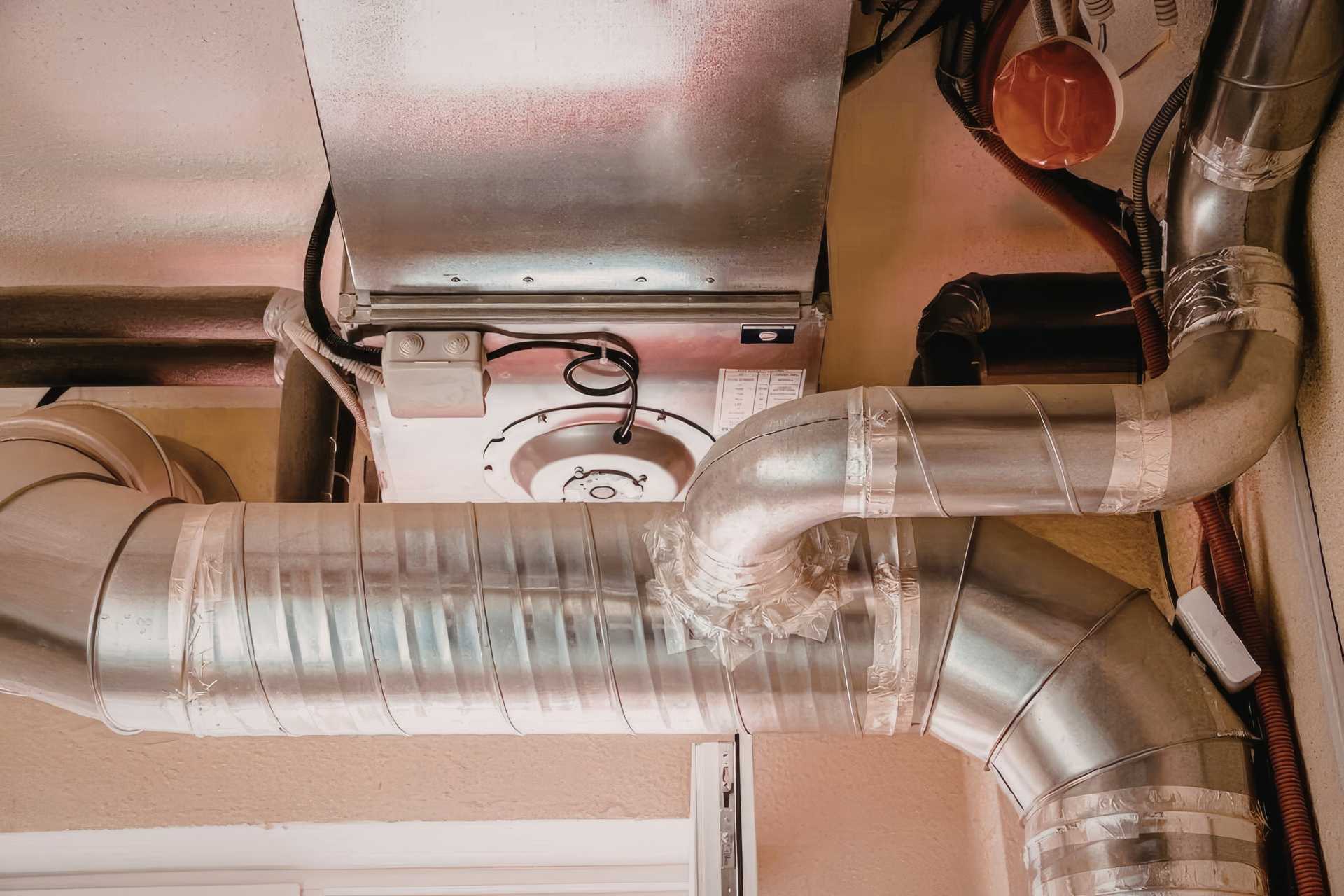
A common misconception is that the furnace is the only part of the system that needs attention. In reality, the ductwork is often a major energy leak that compounds the problems of a dirty filter. If your ducts are unsealed or poorly insulated, the blower motor must work even harder to push air through the resistance of a dirty filter while fighting the loss of air through leaky joints.
In a home with compromised ducts, a clogged filter acts like a plug in an already inefficient system. The increased pressure within the ducts forces more air out of the leaks before it ever reaches the registers in your bedrooms or living areas. This results in “cold spots” and an overworked furnace that never seems to reach the temperature set on the thermostat. To maximize the ROI of your furnace, you must ensure that the “arteries” of the home are as clean and sealed as the filter itself. Without a sealed delivery system, even a brand-new, high-efficiency furnace will perform like a decades-old unit.
MERV Ratings in 2026: Finding the “Sweet Spot”
Proper furnace maintenance in the modern era requires a nuanced understanding of filter technology. Homeowners are often tempted by high-MERV (Minimum Efficiency Reporting Value) filters, believing that “more” is always “better.” However, a MERV 13 or 14 filter, while excellent at removing smoke and viruses, is incredibly dense.
If your HVAC system was not specifically designed to handle the high static pressure of a MERV 13 filter, installing one can cause the same level of furnace strain as a dirty, lower-grade filter. For most Canadian residential systems, a MERV 8 or 10 filter provides the ideal balance between air purity and mechanical longevity. The key is not the “strength” of the filter, but the frequency of the change. During a peak Ontario or Alberta winter, a 30-day inspection cycle is the only way to ensure the system remains on the right side of the efficiency ledger.
The Financial Logic of Proactive Care
Homeowners must view the furnace filter as a financial regulator. Imagine a household spends $500 on heating during a brutal February. A 20% efficiency loss from a dirty filter adds $100 to that single bill. Over a full winter season, this equals $300 to $400 in pure waste. That is twenty times the cost of a high-quality replacement filter.
Utilizing the 2026 generation of smart thermostats can help automate this financial protection. Many modern systems now measure the “pressure drop” across the filter. These systems then send a smartphone alert when the furnace begins to struggle. This data-driven approach removes the guesswork. It ensures you change the filter exactly when necessary. You never change it too early to waste money, yet you never wait too late to trigger a “short-cycling” crisis.
Protecting Your Asset from the Inside Out
In the 2026 energy crisis, home efficiency is a game of small margins that lead to large results. You wouldn’t ignore a leaking roof or a blocked storm drain, and you cannot afford to ignore the “Dust Dam” inside your furnace. The filter is the simplest, most effective tool you have to control your monthly energy destiny.
By prioritizing this simple task, you protect the blower motor, preserve the heat exchanger, and keep your utility bills predictable. Proper furnace maintenance is not about luxury; it is about protecting the primary mechanical asset of your home. Don’t let a piece of dirty mesh turn your furnace into a financial liability. Let your system breathe, and your bank account will follow suit.