What Different Furnace Noises Mean and When to Worry
During Canadian winters, homeowners rely heavily on their heating systems to maintain a consistent indoor temperature and comfort. While scheduling furnace repair is common when performance drops, unusual noises are often the first warning sign that something is wrong. Just as ignoring a small issue can lead to major roof repair, dismissing furnace sounds can allow minor mechanical problems to escalate. Most furnaces produce some level of operational noise, but sudden changes should never be overlooked. Recognizing what those sounds mean can help prevent breakdowns during the coldest months of the year.
Not every noise signals immediate danger, but understanding the difference between normal operation and potential failure is essential. Mechanical systems expand, contract, and cycle on and off throughout winter. However, persistent or loud noises often indicate internal stress or component wear. Identifying these signals early reduces the likelihood of emergency repairs. This guide explains what common furnace sounds may mean and when professional attention is necessary.
- Why Furnaces Make Noise in the First Place
- Banging or Booming Sounds
- Rattling or Vibrating Noises
- Screeching or High-Pitched Whistling
- Clicking Sounds That Won’t Stop
- When Furnace Noises Become a Safety Risk
- Why Early Diagnosis Prevents Bigger Repairs
- Listen Early, Act Early: Protecting Your Heating System
Why Furnaces Make Noise in the First Place
Furnaces contain several moving parts that naturally produce sound during operation. The blower motor circulates air through ducts, burners ignite fuel, and metal components expand as temperatures rise. These normal functions can create low humming, light clicking, or brief airflow noises. Seasonal transitions also affect system performance, especially as furnaces smoothly switch from cooling to heating mode in the fall. Understanding these baseline sounds helps homeowners distinguish between routine operation and potential problems.
Temperature fluctuations can also cause minor popping or ticking sounds as metal ductwork expands and contracts. These noises are typically short-lived and not cause for concern. However, when sounds become louder, repetitive, or irregular, they may indicate mechanical wear. Increased resistance inside the system can lead to unnecessary furnace strain over time. Paying attention to changes in sound patterns is the first step toward early diagnosis.
Banging or Booming Sounds
A loud bang or boom when the furnace starts can indicate delayed ignition. This occurs when gas builds up in the combustion chamber before igniting all at once. The sudden ignition creates a small explosion-like sound that should not be ignored. Over time, this issue can damage internal components and reduce overall system reliability. Addressing delayed ignition early helps prevent more serious mechanical problems.
Banging noises can also result from expanding ductwork or loose internal parts. However, if the sound is sharp and forceful, it may signal burner or ignition system issues. Persistent combustion problems place additional stress on heat exchangers and related components. Continued operation under these conditions increases safety risks. When loud ignition sounds occur repeatedly, professional evaluation is recommended.
Rattling or Vibrating Noises
Rattling sounds often indicate loose components within the furnace or duct system. Over time, screws, panels, or internal brackets can shift due to regular operation. When airflow passes through slightly misaligned parts, vibration becomes more noticeable. In some cases, rattling may also originate from unsecured duct sections. While minor looseness may not be urgent, it should still be inspected.
Persistent vibration can signal deeper mechanical issues. A failing blower assembly or motor imbalance may create shaking during operation. If ignored, this added movement can increase furnace strain and accelerate wear on connected parts. What begins as a small vibration can develop into a larger repair if left unchecked. Addressing loose components early helps maintain system stability and efficiency.
Screeching or High-Pitched Whistling
High-pitched screeching often points to issues within the blower motor assembly. Older units may use belts that wear down over time, causing slipping or friction during startup. Even in modern systems, motor bearings can deteriorate and create sharp noises. These sounds typically grow louder if not addressed promptly. Continued operation under these conditions increases wear on internal components.
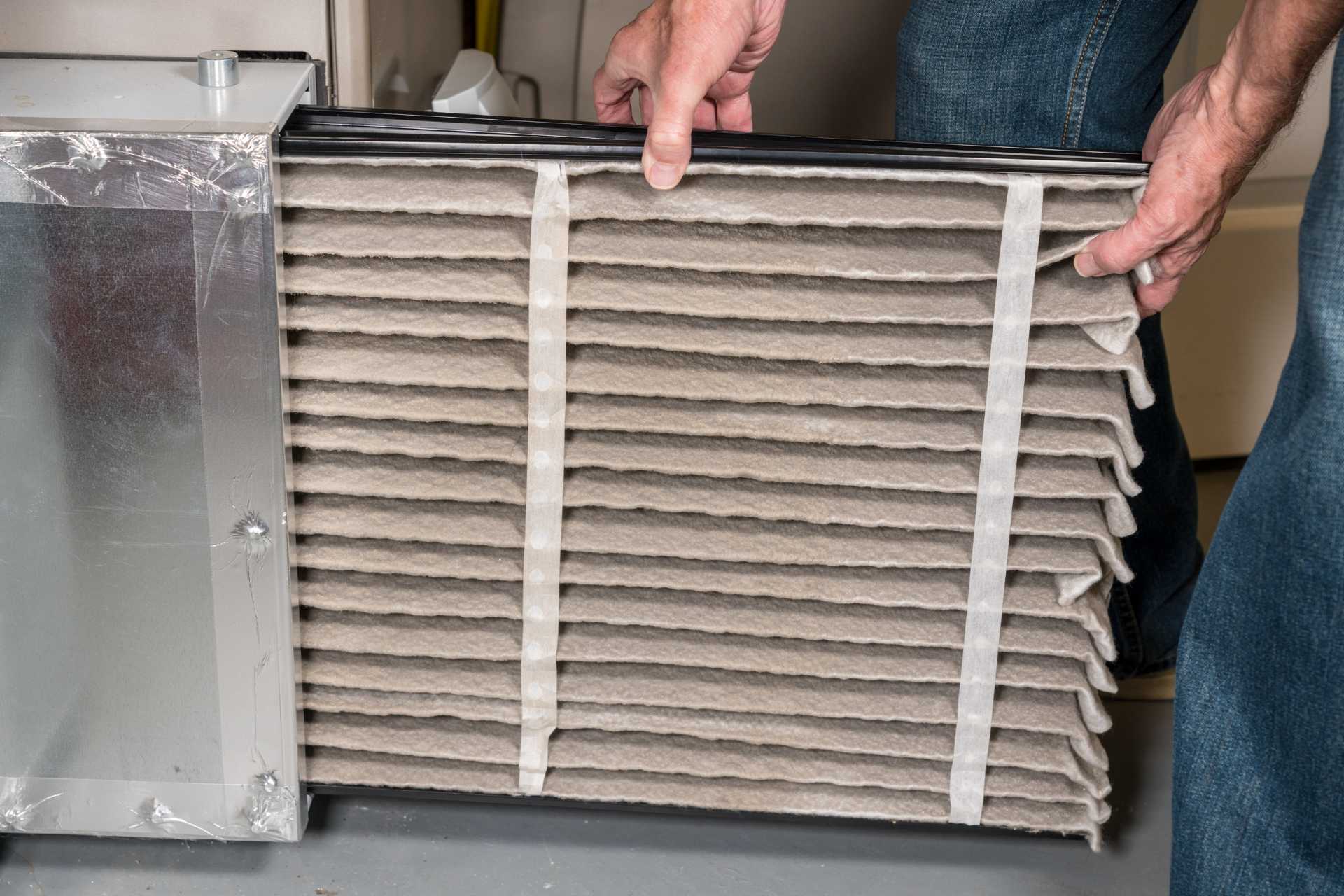
Whistling noises are often related to restricted airflow. A clogged filter, blocked vent, or narrowed duct passage can force air through tighter spaces, creating a high-pitched sound. Reduced airflow makes the system work harder to circulate heat effectively. Poor airflow can also negatively impact indoor air quality, as dust and particulates are not filtered properly when circulation is compromised. Identifying airflow issues early helps prevent larger operational and air quality concerns.
Clicking Sounds That Won’t Stop
A brief clicking sound when a furnace starts is typically normal, as it signals the ignition system activating. However, repeated or continuous clicking without ignition can indicate a problem. Faulty flame sensors, ignition switches, or control boards may prevent proper startup. When the system repeatedly attempts to ignite without success, it places additional stress on internal components. Persistent clicking should be evaluated before it leads to full system failure.
Electrical issues can also trigger ongoing clicking sounds. Loose wiring or failing relays may interrupt communication between components. These interruptions can reduce reliability and increase wear over time. Ignoring ignition-related sounds may result in unexpected heating interruptions during cold weather. Prompt attention ensures safe and consistent furnace operation.
When Furnace Noises Become a Safety Risk
Some furnace noises signal more than mechanical wear. Loud booming combined with a gas smell may indicate combustion issues that require immediate attention. A cracked heat exchanger can sometimes produce unusual sounds while posing a serious carbon monoxide risk. Because carbon monoxide is odourless and colourless, any abnormal furnace behaviour should be treated cautiously. Safety concerns should always take priority over continued operation.
Unusual noises paired with inconsistent heating performance may also indicate internal damage. If the system struggles to maintain temperature, it may already be operating under excessive furnace strain. Continued operation under stress increases the likelihood of component failure. In extreme cases, ignoring warning sounds can lead to emergency shutdowns during the coldest months. Early inspection helps protect both occupants and equipment.
Why Early Diagnosis Prevents Bigger Repairs
Small mechanical issues rarely stay small for long. What begins as a loose panel or minor airflow restriction can gradually affect system performance. Over time, unresolved problems increase wear on internal components and reduce efficiency. Early intervention prevents unnecessary strain and extends the lifespan of the unit. Addressing concerns promptly also reduces the likelihood of mid-winter breakdowns.
Routine inspections help identify problems before they escalate. Even high-performance systems, including a high-efficiency furnace, require periodic evaluation to maintain reliability. Mechanical components operate under constant pressure during Canadian winters. Ignoring warning signs may lead to more complex and expensive repairs. Listening to your furnace and responding early supports long-term performance and safety.
Listen Early, Act Early: Protecting Your Heating System
Unusual furnace noises are often early indicators of mechanical or safety concerns. Understanding the difference between normal operation and warning signs helps prevent unexpected breakdowns. Addressing issues promptly reduces repair costs and improves system reliability. In cold climates, proactive maintenance is essential for uninterrupted heating. Paying attention to your furnace today can prevent larger problems tomorrow.